Answering the common question “what seeds grow well in shade,” this guide highlights shade-tolerant options and why each product makes sense for different buyers. It covers wildflowers and grasses that thrive with limited sun, plus ground-cover seeds that brighten dusky corners. Ideal buyers include homeowners with mature shade trees, renters sprucing up a shaded balcony or yard, and gardeners seeking low-maintenance, color-rich beds. Below, you’ll find a quick buying table and five targeted product picks to help you compare at a glance.
| Product | Best For | Key Benefit |
|---|---|---|
| Earth Science Shady Wildflower Mix | Shady beds in perennial or mixed borders | All-in-one seed mix with plant food and soil conditioners |
| Seed Needs Wildflower Seeds Partial Shade Mix | Colorful, low-light meadows or borders | Premium bulk mix with a variety of annuals and perennials |
| Partial Shade Wildflower Mix Seed (Lawn Seed Feed) | Low-light lawn edges, beds, and woodland borders | Resealable pouch, continuous bloom mix |
| Pennington Smart Seed Dense Shade Mix | Thick, green lawns in shade | All-in-one seed and fertilizer blend |
| American Seed Shade Mix | Shady planting beds and borders | Compact wildflower mix designed for shade |
Earth Science Shady Wildflower Mix

Best for: Gardeners with partial to full shade who want a colorful, low-maintenance patch of flowers without sourcing separate seed, fertilizer, and soil conditioner. This all-in-one formula includes wildflower seed, mulch, plant food, and soil conditioners for a simple start. The mix features both annuals and perennials suited to shady conditions, with 13 species such as Chinese Forget-Me-Nots and Purple Coneflower. A notable feature is the Water Right Crystals, which guide watering to prevent over- or under-watering in variable shade microclimates.
Why selected: The all-in-one nature reduces extra purchases and aligns with buyers seeking convenience. Its documented germination focus and tested purity help reduce waste in low-light beds. Use in beds, borders, or patches where sunlight is intermittent.
Caution: Some shade spots may require more consistent moisture than the crystals expect during extreme heat or prolonged drought; monitor moisture in hot summers.
Seed Needs Wildflower Seeds Partial Shade Mix

Best for: Gardeners wanting a diverse wildflower palette in shaded spaces, including reds, oranges, blues, and pinks. The mix includes both annual and perennial varieties to provide color across seasons in low-light areas.
Why selected: The blend emphasizes a wide color spectrum and a mix of annuals and perennials, giving you ongoing interest without re-seeding every year. This is a strong option for borders, woodland edges, and under-canopy plantings where sun is scarce.
Caution: Bulk seeds may vary in germination rate by region; ensure suitable soil preparation and light conditions for best results in your yard.
Partial Shade Wildflower Mix Seed (Lawn Seed Feed)

Best for: Lawn edges and beds that receive limited sunlight but still need continuous bloom through the season. The resealable pouch helps keep seeds fresh and extends viability for future plantings.
Why selected: This mix combines color variety with a practical packaging feature that supports long-term storage and consistent germination. It’s ideal for homeowners who want a living color border without heavy maintenance.
Caution: In very dense shade or highly damp spots, germination may slow; prepare drainage and monitor moisture levels to avoid seed rot.
Pennington Smart Seed Dense Shade Mix
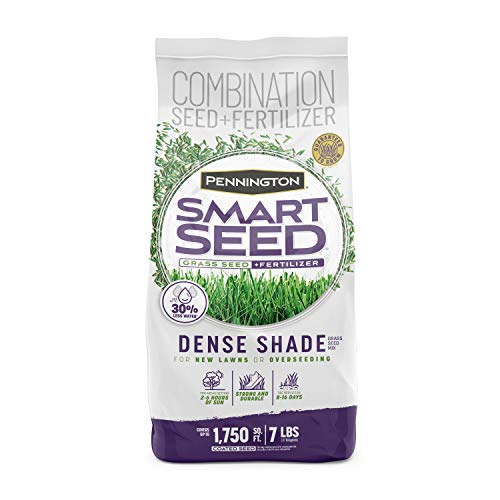
Best for: Lawns that suffer under trees or in areas with limited sunlight, where a robust, green turf is desired without heavy maintenance. The mix includes Perennial Ryegrass, Kentucky Bluegrass, and Tall Fescue for shade resilience.
Why selected: It combines seed and fertilizer in one, simplifying lawn care in shady patches. The blend is designed to establish quickly and sustain a dense, even lawn in low-light environments.
Caution: For optimal results, follow soil preparation steps and avoid overly dense tree canopies where roots compete for moisture and nutrients.
Jonathan Green Black Beauty Dense Shade Grass Seed

Best for: Cool-season lawns in dense shade seeking a dark-green, attractive turf with rapid establishment.
Why selected: The mix is specifically engineered for shade-tolerant turf, with a germination window around 14–21 days and endophyte benefits noted in product listing descriptions. It’s a practical pick for shaded residential lawns or under tree canopies.
Caution: Shade lawns can still benefit from occasional pruning of overhanging branches to improve light exposure and grass health.
American Seed Shade Mix

Best for: Shady beds and borders that need a lighter, wildflower-inspired mix designed to flourish where sun is limited.
Why selected: It provides a compact wildflower option in shade zones, offering a straightforward seed-start for color without requiring extensive sun exposure.
Caution: Shade-specific mixes may have slower growth in the deepest shade, so consider pruning or relocating light sources if possible to maximize blooms.
Buying Guide: Key Considerations For Shade Seed Purchases
What should you look for when buying seeds for shady areas? Consider light level, soil type, and bloom goals. Choose mixes labeled specifically for partial or full shade, and check whether the seed contains perennials for long-term color or annuals for seasonal bursts. Look for packaging that preserves seed freshness, such as resealable pouches, and note whether the product includes soil amendments or watering aids for shade microclimates.
- Shade level and location: Confirm whether your space is partial shade (roughly 3–6 hours of sun) or full shade (less than 3 hours). Different blends target these zones differently.
- Bloom season and color diversity: If you want year-round color, pick mixes with both annuals and perennials and a range of flower colors.
- Soil and moisture: Some products include soil conditioners or water management aids. Consider your soil’s drainage and moisture holding capacity in shade.
- Packaging and storage: Resealable bags help preserve seed viability across seasons, especially in humid or variable climates.
- Maintenance expectations: Shade gardens often need less fertilizer but more moisture management. Align your routine with the product’s recommendations.
FAQ
- What seeds grow best in dense shade?
– Shade-tolerant wildflowers and cool-season grasses. Look for blends described as partial or full shade and those with diverse bloom habits to maximize visual interest without excessive sun. - Are wildflower mixes suitable for shade?
– Yes, many shade-friendly wildflower mixes exist, including annual and perennial varieties designed to thrive with limited light. - Do I need special soil for shade gardens?
– Often no, but improving drainage and moisture retention helps. Adding organic matter can improve germination and establishment in low-light areas. - Should I water more in shade?
– Shade areas can stay moist longer, so water less frequently but ensure the soil doesn’t stay waterlogged. Use moisture indicators if available. - When will these seeds bloom?
– Bloom timing depends on species. Some plants bloom in spring, others through summer or early fall. Mixed packs provide a staggered display. - Can I mix these seeds with existing plants?
– Yes, but avoid overcrowding. Allow enough space for roots to spread and for light to reach any sun-sensitive blooms.