Find sesame seeds suited for planting and growing your own harvest. This guide targets hobby gardeners, small-space growers, and culinary enthusiasts who want reliable germination and tangible results. Each product below is chosen for clear growing instructions, seed quality, and practical use in home gardens. Explore who each seed type is best for and why it was selected.
- Best overall for beginners: easy germination and reliable sprouts.
- Best for compact spaces: seeds that perform well in containers or small beds.
- Best for culinary versatility: seeds with straightforward harvests and kitchen-ready yields.
- Best value per seed count: larger packets that fit home garden budgets.
| Product | Best For | Why It Stands Out |
|---|---|---|
| White Sesame Seeds for Growing Sesame Plants | New gardeners; container gardens | Explicit sow-and-cover instruction; non-GMO; simple to start indoors or outdoors. |
| TomorrowSeeds – White Sesame Seeds – 1500+ Count | Kitchen-to-crop growers; budget-conscious | High seed count; broad climate tolerance; easy to grow. |
| Black Sesame Seeds for Growing Black Sesame Plants | Gardeners wanting color and variety | Clear planting steps and harvest guidance; traditional black sesame option. |
| Organic Monticello Sesame Seeds (Sesamum indicum) 100 Seeds | Survival-minded and pollinator-friendly gardens | Edible seeds with pollinator-friendly traits; moderate maturation period. |
| TomorrowSeeds – White Sesame Seeds – 4500+ Count | High-volume gardeners; community plots | Very large seed count; practicality for extended planting cycles. |
Notes: All products listed are sesame-related seeds intended for planting and growing sesame plants or sesame relatives. Some entries also offer perilla or other culinary greens when relevant to sesame-related cooking. Always follow local growing conditions and consult seed-specific guidelines for optimal results.
White Sesame Seeds for Growing Sesame Plants

Brand: Marde Ross & Company. Features include White Sesame Seeds for Growing Sesame Plants, Sow and Cover with barely with Soil, Non GMO and Neonicotinoid Seed. Best for beginners and hobbyists starting sesame plants indoors or outdoors. Planting guidance emphasizes shallow coverage and consistent moisture. Best for gardeners seeking straightforward germination and edible harvests. A noted limitation is that growth depends on warm soil conditions; cooler climates may require season extension.
TomorrowSeeds White Sesame Seeds — 1500+ Count

Brand: TomorrowSeeds. Features describe high-quality seeds suitable for cooking and baking, with rich healthy fats and nutrients. Easy to grow across climates and soils. Best for gardeners seeking cost-effective seed lots for larger plots or multiple seasons. Choose this if you want a high seed count and flexible growing conditions; avoid if you need smaller, easily dialed micro-seed quantities for small pots.
Black Sesame Seeds for Growing Black Sesame Plants
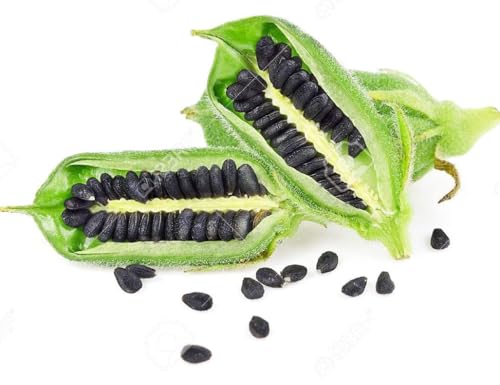
Brand: Marde Ross & Company. Features include cultivation guidance: start indoors 6 weeks before last frost, transplant after frost, or direct seed in warm, well-drained soil. Harvest ripe pods when tips split and dry seeds completely. Best for gardeners who want a distinct black sesame variety and have a longer growing season. Limitation: timing is sensitive to frost dates; improper transplant timing can impact yields.
Organic Monticello Sesame Seeds

Brand: Smoke Camp Crafts. Features include edible seeds, pollinator-friendly plants, and easy growing instructions. Germination thrives in warm conditions; spacing recommendations are 2-3 feet apart, and maturity occurs over 90-130 days. Best for gardeners prioritizing pollinator support and a compact planting approach. Caution: larger yields may require careful moisture management and sun exposure to maximize pod development.
TomorrowSeeds White Sesame Seeds — 4500+ Count
Brand: TomorrowSeeds. Features emphasize a very large seed count and suitability for kitchen-to-garden use, with robust fats and nutrients. Best for gardeners needing bulk seed supplies and longer planting runs. Choose this for high-volume planting; better for community plots or extended harvest seasons. Limitation: extremely large quantities may be more than needed for small balconies or container setups.
Buying Guide
What should you consider when choosing sesame seeds for planting?
- Seed type and variety: Choose white or black sesame for different culinary and ornamental goals. Perilla alternatives are included for herb or leaf use but are not true sesame seeds.
- Germination and climate: Look for seeds with clear germination guidance and climate suitability. Warm soil is typically needed for sesame germination.
- Seed count and value: Larger counts reduce cost per seed but require more space and longer planning. Match count to garden size.
- Growing conditions: Ensure soil drainage, sun exposure, and moisture levels align with sesame cultivation needs. Some varieties tolerate containers; others perform best in soil beds.
- Harvest and storage: Ready-to-dry guidance helps maximize seed yield. Proper drying and airtight storage extend shelf life.
Common questions gardeners ask
- Are sesame seeds easy to start indoors? Yes, many varieties benefit from indoor starting before transplanting outside in warm weather.
- Which sesame varieties are best for containers? White and small-batch seeds from compact cultivars are typically suitable for pots and raised beds.
- How long does sesame take to mature? Most sesame plants reach maturity in about 90–130 days depending on variety and conditions.
- Can sesame seeds be grown in cooler climates? It’s possible with season extension, but warmth is crucial for good germination and pod development.
- Do sesame plants attract pollinators? Yes, sesame flowers attract pollinators, supporting broader garden health.
- What about storage after harvest? Dry seeds thoroughly and store in airtight containers in a cool, dark place to preserve freshness.
Quick product comparison
- Best for beginners: White Sesame Seeds for Growing Sesame Plants (non-GMO, clear sowing guidance).
- Best value seed count: TomorrowSeeds White Sesame Seeds — 4500+ Count.
- Best for color variety: Black Sesame Seeds for Growing Black Sesame Plants.
- Best for pollinator-friendly gardens: Organic Monticello Sesame Seeds.
- Best for high-volume growing: TomorrowSeeds White Sesame Seeds — 1500+ Count.
FAQ
- What is the best soil type for sesame seeds? Well-drained soil with moderate fertility is ideal to prevent seed rot and promote pod development.
- Can sesame be grown indoors year-round? It can be started indoors for transplanting; however, it requires a warm environment to mature.
- Do sesame seeds require special watering? Consistent moisture without waterlogging helps germination and growth; reduce watering as pods mature.
- How should harvested sesame be stored? Dry seeds completely and store in airtight containers in a cool, dark place to preserve freshness.
- Are there non-GMO options? Yes, several listed seeds are described as Non-GMO or open-pollinated; verify labeling when purchasing.
- Which seed count is right for me? Start small with 1500–3000 seeds for a modest garden; opt for 4500+ for larger plots or multiple seasons.