Shade cloths help protect succulents from intense sun while preserving essential airflow and moisture. This guide highlights five practical options suited for succulent care, indoor greenhouses, and outdoor containers. Each product targets different shading needs, from light filtering to heavy UV protection. The best choice depends on your climate, sun exposure, and watering routine. The table below summarizes core details to compare at a glance.
| Product | |||
|---|---|---|---|
| 50% | 6.5 x 10 ft | Moderate sun, extended outdoor setups | |
| 55% | 6.5 x 10 ft | Balanced sun and heat relief | |
| 40-50% | Variable (standard panel size) | Flexible shade for changing spots | |
| 70% | 6.5 x 10 ft | Heavy sun, hottest climates | |
| 35-45% | 6 x 8 ft | Light to moderate sun, easy setup |
BELLEBILL 50% Shade Cloth

Features: 50% shade rate in high-quality polyethylene fabric. The material blocks most sunlight and heat while allowing water and air to pass. Size is 6.5 x 10 ft. Note: some variation in manual measurements due to stretchable fabric. Uses include plants, flowers, vegetables, greenhouse, garden, and outdoor areas.
Best for succulents in moderately sunny spaces or patio gardens where you need consistent shade without blocking airflow. Choose this if you want straightforward coverage over a rectangular area and easy expansion by layering with other cloths. A caution: fabric stretch may alter exact dimensions slightly during installation.
TREEVEX 55% Shade Cloth

Features: 55% shade with UV resistance, measuring 6.5 x 10 ft. Made from high-density polyethylene (HDPE) with a knitted design for durability. It can be cut to size and helps soften UV rays while maintaining plant sunlight. Designed to improve airflow and reduce watering frequency. Includes reinforced edges for long-term use.
Best for succulents that need substantial sun reduction in hot weather, with flexibility to trim to fit greenhouses or raised beds. The cloth’s durability makes it suitable for outdoor frames. Caution: cutting to size should be done carefully to avoid fraying if edges are not sealed.
QLOFEI Shade Cloth 40-50%

Features: High-quality HDPE fabric with lock-stitch knitting and reinforced corners. Offers 40-50% shade with grommets every ~40 inches for easy hanging. Designed for durability and strong edge construction to resist tearing. Suitable for greenhouses, poultry housing, kennels, and patios in addition to gardens.
Best for growers who want adjustable shading and straightforward hanging. Choose this if you need reliable corner reinforcements and easy air/water permeability. Limitation: exact shade level can vary if stretched or installed under heavy wind conditions.
Sukh Shade Cloth for Garden – 70%

Features: 70% shading rate with HDPE material for tear resistance and UV protection. Size 6.5 x 10 ft. Breathable mesh permits air flow and water penetration for plant irrigation. Suitable for greenhouses, gardens, patios, and nurseries. Water can pass through, aiding plant care in hot climates.
Best for succulent setups in very sunny environments where strong shade is needed. Choose this if you must significantly reduce sun exposure. Limitations include higher shading that may slightly reduce photosynthesis if used in very bright, cool seasons.
SUNNY GUARD 35-45% Shade Cloth
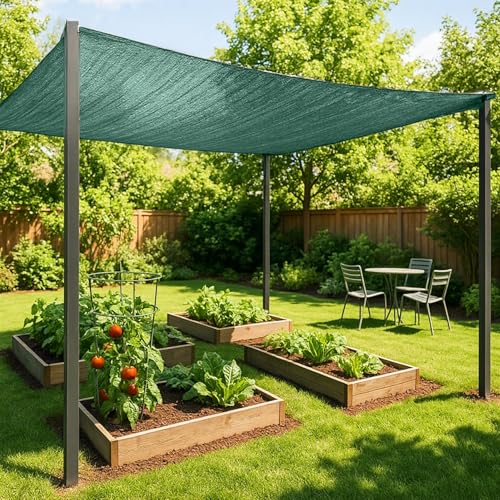
Features: HDPE material designed for 2–3 years of outdoor use. 35-45% sun protection with a woven design to maintain airflow. Water and air can pass through, enabling direct watering. Size 6 x 8 ft, with easy setup for patios, greenhouses, or kennels.
Best for lighter coverage needs and quick shade over compact succulent beds. Choose this if you want a breeze-friendly option that still guards against sunburn. Limitation: slightly lower shading compared with higher-percentage fabrics, which may be less effective in extreme heat.
Buying Guide
- Shade percentage: For succulents, a range of 35–60% is common. Higher percentages reduce sun exposure more but may require more careful watering since airflow can drop in dense shade.
- Material and durability: Look for HDPE or similar UV-stabilized fabrics. Knitted or woven structures add tear resistance and better airflow.
- Size and installation: Measure the planting area, then pick cloths with matching or expandable dimensions. Check for reinforced edges and grommets for easy mounting.
- Airflow and watering: Ensure the cloth allows water to pass through. This is essential for succulent watering regimes and avoiding overly humid microclimates.
- Weather considerations: In windy regions, fabrics with strong edge stitching and corner reinforcements perform better. Consider tie-downs or clips for stability.
- Maintenance: Some fabrics may stretch slightly; account for this in installation. Cleaning is typically limited to light brushing or rinsing, not chemical cleaners.
Frequently Asked Questions
- Do shade cloths affect succulent growth? Yes, by reducing sun intensity, they prevent sunburn and heat stress while preserving essential light for photosynthesis. Choose a shade level appropriate to your climate.
- Can shade cloths be used indoors? Yes, shade cloths are useful in greenhouses and indoor grow spaces to moderate light and temperature for delicate succulents.
- How do I install shade cloth on a greenhouse frame? Use grommets and cords or zip ties to secure the cloth along the frame, ensuring slight sag for airflow and to prevent wind damage.
- Is higher shading always better for succulents? Not always. Assess sun intensity and the plant stage. Seedlings and sensitive species may benefit from higher shading, while mature succulents may tolerate moderate shade.
- What maintenance is required? Periodic checks for wear, trimming frayed edges, and ensuring fasteners remain secure during storms helps prolong the cloth’s life.
- Can shade cloth protect against frost? Some high-shade fabrics can offer light protection, but their primary purpose is sun shading. For frost risk, consider additional coverings or protective measures.