Sharp sand for plants improves drainage, prevents soil compaction, and adds decorative texture to pots, terrariums, and garden beds. This guide helps buyers pick the right coarse sand for succulents, cacti, bonsai, and general potting mixes. The top picks below span natural silica sands in 1–2mm or similar coarse sizes, chosen for reliability, versatility, and long-term use in containers and decorative setting.
| Product | Best For | Key Benefit |
|---|---|---|
| NUPICK 1-2mm Coarse Sand for Plants (6lb) | Succulents, Cacti, Bonsai | Improved drainage with stable moisture around roots |
| Rahato 1-2mm Coarse Sand for Plants (6lb) | Potted plants, Terrariums | Natural, reusable sand with versatile decoration |
| GARDENWISE Fine Sand for Plants – 3 Quarts | Indoor gardens, Terrariums | Soft, decorative top-dressing with drainage boost |
| GARDENWISE Fine Sand for Plants – 1 Quart | Compact pots, Fairy gardens | Lightweight top-dressing and drainage aid |
| SHIZWU Coarse Sand – 2-4mm (5lb) | Bonsai, Landscaping decor | Polished natural gravel for surface drainage and look |
NUPICK 1-2mm Coarse Sand for Plants
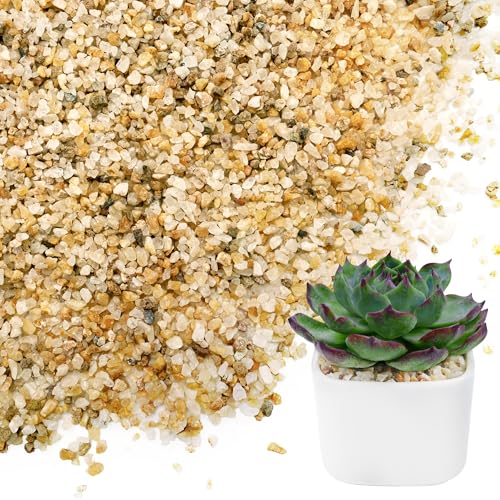
Best for: Succulents, cacti, and small decorative planters. This natural river sand in 1–2mm size is durable silica with no dyes or artificial additives. It washes clean and is reusable, making it suitable for long-term use in potting, crafts, and decor. When mixed with potting soil at a 1:3 ratio, it improves drainage while helping retain moisture and nutrients around roots.
Why chosen: The material balance favors aeration and moisture control without altering nutrient availability. It also provides a stable base that reduces soil compaction in container gardening. Caution: Avoid over-diluting soil with too much sand in very heavy or clay-rich mixes, as it can reduce nutrient retention.
Rahato 1-2mm Coarse Sand for Plants
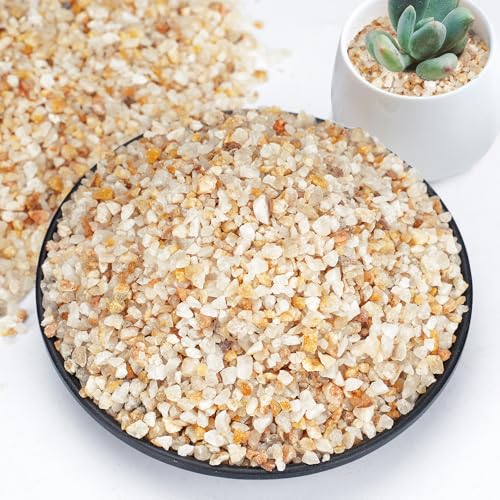
Best for: General potting mixes, terrariums, and decorative vases. This natural and reusable coarse sand averages 1–2mm with varied shapes to add visual interest while aiding drainage and root health. It can be layered on top or bottom of soil to reduce erosion and help keep pots looking tidy.
Why chosen: It balances drainage with moisture retention and works across multiple decorative and horticultural uses. Limitation: Some users may prefer finer textures for micro-drainage in very small containers.
GARDENWISE Fine Sand for Plants – 3 Quarts
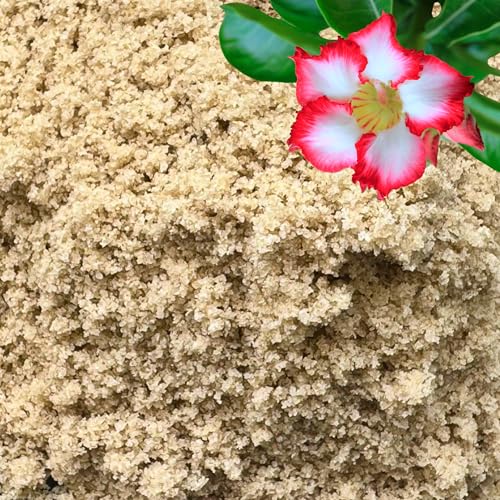
Best for: Indoor potting mixes and terrariums. This fine, tan sand adds a natural decorative touch while improving soil structure and drainage. It also serves as a top-dressing for aesthetics in Zen gardens and fairy gardens.
Why chosen: It’s Aesthetic and functional, offering a visible drainage improvement without compromising root health. Limitation: Fine sand may not provide as much drainage as coarser options in very large outdoor beds.
GARDENWISE Fine Sand for Plants – 1 Quart
Best for: Small planters, terrariums, and decorative displays. This smaller package is ideal for precise top-dressing or patchwork in mixed decorative gardens. It helps keep moisture near roots while adding a clean, polished finish.
Why chosen: The compact size is convenient for hobbyists and those who need to try a new, lightweight sand without committing to a larger bag. Limitation: Availability may vary by region or batch.
SHIZWU Coarse Sand – 2-4mm

Best for: Bonsai, cactus, and decorative landscaping. This coarse sand, typically sized 2–4mm, offers excellent surface drainage for pots and terrariums and can be used to create layered, natural-looking substrates.
Why chosen: It provides a more rugged texture that highlights plant containers and can prevent surface clutter. Caution: Slightly larger grain size may feel rough in very fine potting mixes or small containers.
Buying Guide: Key Considerations For Sharp Sand Buyers
- Grain size and drainage needs: For delicate succulents, 1–2mm sands are ideal. Larger 2–4mm grains suit heavier pots or decorative surfaces but may affect root-zone aeration if used exclusively.
- Purity and additives: Choose natural silica sands with no dyes or additives to avoid chemical interactions with soil.
- Usage context: Top-dressing vs. substrate mixing. Top-dressing improves aesthetics and moisture gradient; mixing enhances drainage and reduces compaction in potting mixes.
- Container size and plant type: Small containers benefit from finer top-dressings; larger containers can tolerate coarser sands for improved drainage.
- Reusability and cleaning: Some sands wash clean and can be reused, which is cost-efficient for long-term projects.
- Aesthetics: Desert-inspired gold or tan tones can complement modern, rustic, or minimalist decor.
FAQ
- What is sharp sand best used for in plant care? It improves drainage, reduces soil compaction, and stabilizes soil around roots, especially for succulents and cacti.
- Can sharp sand be mixed into potting soil? Yes; a common ratio is about 1 part sand to 3 parts potting mix for improved drainage.
- Is coarse sand suitable for terrariums? Yes, it provides drainage and a decorative substrate, but ensure it’s clean and free from contaminants.
- Will sand help with watering problems in plants? It aids drainage, reducing root rot risk in overwatered soils, but excessive sand can deplete nutrient-retention capacity in dense mixes.
- Are all coarse sands interchangeable? Not exactly; grain size, purity, and color matter for appearance and drainage performance in different setups.
- Should I use multiple sands for a single project? Yes. Combining fine and coarse sands can balance drainage, moisture retention, and aesthetics across containers.