Sheet moss is a popular choice for kokedama projects because it adds a tidy, natural look while helping retain moisture around the root ball. This guide highlights five top sheet moss options and explains who each product is best for, plus practical tips for selecting and using moss in kokedama arrangements. Whether you’re a beginner or a seasoned plant artist, you’ll find clear, comparison-friendly details to inform your purchase.
| Product | Best For | Why Pick It |
|---|---|---|
| Mosser Lee ML0480 Natural Green Sheet Moss | Indoor decorative kokedama | Organic, easy to trim, versatile for soil covers |
| SuperMoss 21485 Sheet Moss | Wedding decor and terrariums | Preserved or dried options with long-lasting appearance |
| Live Moss Duo Pack (LUCKYRUNES) | Live, natural look in terrariums | Two varieties; ships dry and revives easily |
| SuperMoss 21508 Preserved Sheet Moss | Fresh green preserved look | Large flat sheets, clean and long-lasting |
| Galápagos 05248 Sheets of Real Moss | Large sheet coverage with high absorbency | Natural, long-lasting, supports humidity control |
Mosser Lee ML0480 Natural Green Sheet Moss
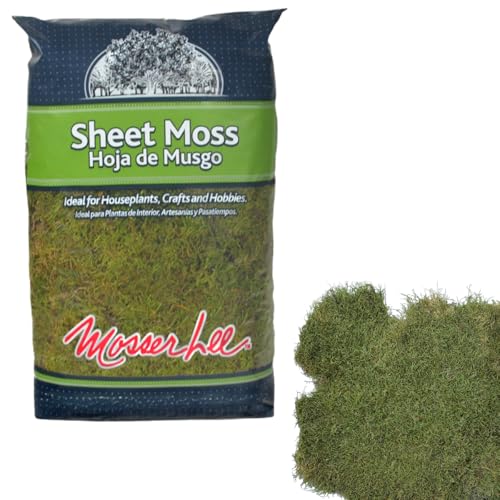
Best for: Interior plant arrangements and decorative kokedama covers. This moss is 100% organic and sustainably harvested from old-growth forest floors, delivering a natural green hue suitable for classic kokedama styling. It is easy to trim with scissors to fit any project shape.
Why selected: Clean, flat sheets simplify layering around roots and soil, helping to create smooth, cohesive looks. The organic sourcing supports a natural aesthetic essential for authentic kokedama finishes.
Caution: Because it is a natural product, color and texture may vary slightly between sheets, which can affect uniform coverage in very tight designs.
SuperMoss 21485 Sheet Moss

Best for: Terrariums and decorative plant displays. This sheet moss comes in preserved or dried forms, offering a longstanding, vibrant green look without ongoing maintenance. It’s soft, pliable, and easy to mold into kokedama shapes.
Why selected: The preserved option provides a durable surface that stays visually consistent, ideal for projects that require less upkeep. It also works well for faux moss walls or crafts that benefit from a strong, natural texture.
Caution: Preserved moss is not living; it won’t rehydrate like live moss, so choose preserved for static displays or low-moisture environments in kokedama setups.
Live Moss Duo Pack (LUCKYRUNES)

Best for: Reptile-friendly terrarium hexes and mixed-media kokedama with natural color variety. This product includes two live moss varieties, shipped dry for safe transit and revived by misting.
Why selected: Live moss provides a genuine, living texture that can enhance the natural look of kokedama and terrariums. Its moisture-holding properties help create microclimates around the plant roots.
Caution: Live moss requires regular misting and humidity management to maintain health; avoid overwatering to prevent mold growth in compact kokedama centers.
SuperMoss 21508 Preserved Sheet Moss

Best for: Fresh-looking, long-lasting moss coverage that stays vibrant with minimal care. Large flat sheets are ideal for covering soil and dressing potted plants in kokedama projects.
Why selected: Preserved moss retains a bright green appearance and can be cleaned to remove dust, offering a neat, professional finish for decorative kokedama arrangements.
Caution: It is not living moss; it won’t rehydrate if it dries out, so position in slightly higher humidity or pair with live moss if you want ongoing moisture management.
SuperMoss Preserved Sheet Moss, Fresh Green

Best for: A fresh, natural look in kokedama and potted plants. Large flat sheets are convenient for covering soil and providing a moisture-retentive layer inside container arrangements.
Why selected: This product has been cleaned and treated to remove dirt, ensuring a tidy finish that aligns with decor-focused kokedama designs. It harmonizes with many plant palettes.
Caution: As with preserved moss, it does not rehydrate; plan for humidity and occasional refreshes if your display area dries out quickly.
Galápagos 05248 Real Moss Sheets

Best for: Large kokedama projects that require substantial moss coverage and strong moisture control. Real moss sheets offer an organic, natural finish with robust absorbency.
Why selected: The product provides long-lasting coverage with high absorbency, supporting hydration for tropical plant arrangements and amphibian-friendly environments in terrarium-inspired kokedama displays.
Caution: Real moss needs proper humidity management to prevent drying out, especially in dry indoor spaces or low-humidity climates.
Buying Guide: Sheet Moss For Kokedama
What moss type best suits kokedama?
Choose between live moss for ongoing moisture management and a living look, preserved or dried moss for low-maintenance and vivid color, or real moss sheets for full natural texture. Your choice affects care routines and appearance longevity.
How much moss coverage is needed?
Consider the plant size and kokedama diameter. Larger flat sheets simplify wrapping around the root ball, while thinner sheets work for smaller projects or highly textured finishes.
Which moisture considerations matter?
Live moss helps regulate humidity but requires regular misting. Preserved moss stays visually consistent but won’t rehydrate. For tropical or amphibian-friendly displays, balance moss type with enclosure humidity.
How should moss be prepared for kokedama?
For live moss, rehydrate after shipping by misting or soaking as directed. For preserved or dried moss, handle gently to avoid crushing the fibers, and trim to fit irregular shapes around roots.
How to store moss between uses?
Store dry moss in a breathable container away from direct sunlight to preserve color. For live moss, keep in a humid, shaded area until you’re ready to install and mist periodically.
Practical setup tips
- Layer moss evenly to avoid gaps that could dry out roots.
- Trim edges for a clean cocoons around the root ball.
- Combine live and preserved moss for texture and color contrast.
Maintenance considerations
Regular misting for live moss, and periodic checking for mold or drying in enclosed kokedama spaces, help maintain a healthful display. Avoid overwatering and ensure adequate air circulation around the moss layer.
Who should consider these options?
Beginners may prefer preserved moss for easy care and steady color. Advanced hobbyists who enjoy dynamic displays can experiment with live moss for humidity control and evolving textures. Reptile enthusiasts may favor live moss to support humidity in terrarium-inspired kokedama, while designers seeking a polished final look might lean toward cleaned, large-sheet preserved moss.
FAQs
- What is sheet moss mainly used for in kokedama? – It serves as a decorative, moisture-retentive layer that hides soil and root media while providing a natural aesthetic.
- Is preserved moss suitable for all kokedama setups? – Yes, for low-maintenance displays; it does not rehydrate or require ongoing watering.
- Can live moss be used outdoors for kokedama? – Live moss is best for shaded, humid environments; direct sun and dry air can harm it.
- How do I rehydrate live moss after it arrives? – Mist generously or soak lightly, then allow it to revive within 30–60 minutes.
- Which moss type lasts longest in a kokedama display? – Preserved moss generally lasts longer with less maintenance, though live moss offers ongoing humidity benefits.
- Can I mix moss types in the same kokedama? – Yes, combining live and preserved moss can balance moisture needs and appearance.