Gardening for pollinators helps birds, bees, and butterflies thrive while boosting garden productivity. The following shrubs are chosen for nectar-rich blooms, drought tolerance, and low maintenance. From butterfly attractors to winterberry starters, these selections support diverse pollinators across seasons.
| Product | Brand | Type | Key Benefit |
|---|---|---|---|
| 350+ Mix Butterfly Bush Seeds | Generic | Perennial Shrub Seeds | Long bloom season; drought-tolerant |
| Photinia Dynamo Red Shrub | National Plant Network | Deciduous Shrub | Pollinator-friendly white flowers |
| Butterfly Bush Mix Seeds | LUSORA VALE | Perennial Shrub Seeds | Fragrant, nectar-rich blooms |
| Spring Hill Nurs.’ Southern Gentleman Winterberry | SPRING HILL NURSERIES | Shrub | Winter interest; pollinator starter |
The selections below are organized to help you compare bloom timing, ease of care, and pollinator appeal. Each product includes a direct link to purchase and an image for quick recognition in your planning notes.
350+ Mix Butterfly Bush Seeds
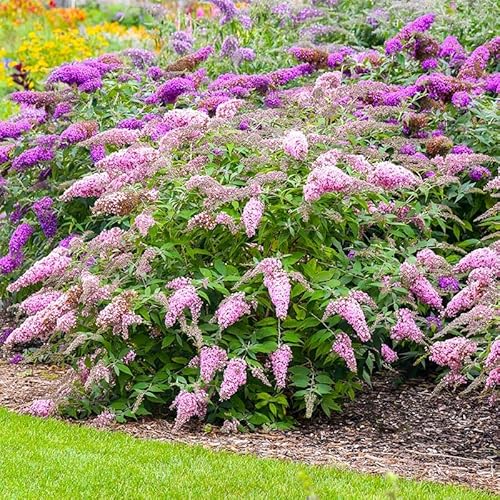
The 350+ mix offers a hardy, drought-tolerant option ideal for outdoor gardens aiming to attract a wide range of pollinators. Blooms emit fragrance that draws hummingbirds and butterflies, contributing to a vibrant garden ecosystem. Suitable for USDA zones 3-9, it tolerates cold and adapts to various climates. Planting is simple: sow seeds in spring by scattering on moist soil and pressing lightly; keep soil lightly shaded to support germination and establishment.
Photinia Dynamo Red Shrub

This pollinator-friendly shrub features white flowers from fall through late spring, attracting bees and butterflies throughout the seasons. It is known for being easy to grow across a range of soils with good drainage and consistent moisture, making it suitable for both beginner and experienced gardeners. Its versatility shines in garden beds, hedges, and borders, and it can suit small to medium spaces while remaining safe for pets.
Butterfly Bush Mix Seeds – Buddleja Davidii

The Butterfly Bush Mix is a nectar-rich perennial shrub designed to draw butterflies, bees, and hummingbirds for extended periods. It features clusters of purple, pink, white, and blue blossoms with a sweet, honey-like fragrance from summer to fall. A fast-growing, hardy plant, it thrives in full sun and diverse soil conditions, offering a reliable, low-maintenance option for pollinator-friendly landscapes.
Spring Hill Nurs. Southern Gentleman Winterberry

This winterberry shrub provides seasonal interest with bright berries and flowers that support pollinators. Grown in a 4-inch pot, it fits well into small garden spaces or as a starter plant for hedges. Space plants about 6 to 8 feet apart for best results, and ensure moist, well-drained soil for optimal growth and flowering potential across seasons.
Buying Guide: Key Purchase Considerations
- Pollinator appeal across seasons: Select plants with nectar-rich flowers through spring, summer, and (where possible) fall to support bees, butterflies, and hummingbirds for longer periods.
- Climate and hardiness: Check USDA zone compatibility and drought tolerance to ensure the shrub thrives in your local conditions. Low-maintenance options are ideal for busy gardeners.
- Size and growth habit: Consider ultimate height and spread to avoid competition with other plants and to fit the garden layout, especially for borders or small spaces.
- Soil and moisture needs: While many selections tolerate varied soils, ensure you choose varieties that match your soil drainage and moisture availability for sustained health.
- Maintenance level: From minimal pruning to routine shaping, align the plant’s care needs with your gardening routine for best results.
- Aesthetic considerations: Bloom color, fragrance, and berry display can influence pollinator activity and visual appeal in different seasons.
- Watering routine during establishment: Most shrubs require regular watering while establishing roots—plan for temporary irrigation during dry spells.
- Pet safety and landscape integration: If you have pets, verify plant safety and consider hardy hedge forms for borders and privacy.
These considerations help balance pollinator support with practical gardening, ensuring a thriving habitat for pollinators while maintaining landscape appeal.