Yes, small rocks can dramatically elevate garden beds, planters, and stepping paths. This guide highlights five suitable options for American landscapes, focusing on visual appeal, durability, and ease of use. It’s ideal for homeowners, DIY landscapers, and plant lovers who want low-maintenance yet stylish rock accents. Below you’ll find quick comparisons, the best use cases for each product, and practical buying tips to help you choose the right size, color, and material for your project.
| Product | Best For | Key Benefit | Approx. Size |
|---|---|---|---|
| FANTIAN 5 lbs Natural Mixed Color Gravel Pebbles | Small planters and vase displays | Varied color mix for cheerful, low-contrast accents | 3/8 inch |
| GASPRO 15-lb Natural River Rocks | Indoor/outdoor beds and large planters | High-polish shine for premium look | 1 to 1.75 inches |
| YISZM 2LB Succulent Gravel Pebbles | Succulents and terrariums | Fine size with strong drainage benefits | 1/5 inch |
| FANTIAN 20 lbs Natural River Rocks Mexican Beach Pebbles | Pathways and rock gardens | Larger, varied shapes for natural landscape feel | 2-3 inches |
| FANTIAN 5 Pounds Black Natural Decorative River Pebbles | Modern indoor/outdoor decor | Dark, bold contrast for contemporary designs | 2-3 inches |
FANTIAN Mixed Color Gravel Pebbles 5 lb

Best for adding bright, varied color pops in small containers and decor projects. These 3/8-inch pebbles come in white, red, yellow, gray, and apple green, creating playful, eye-catching displays suitable for floral arrangements, vases, glass bowls, and DIY crafts. The stones are natural, with no dyes or fillers, making them pet- and child-safe for everyday use. Best for light, decorative accents rather than heavy-duty ground cover. A minor limitation is the smaller size, which may require more frequent replenishment for high-traffic areas.
GASPRO 15-lb Polished River Rocks
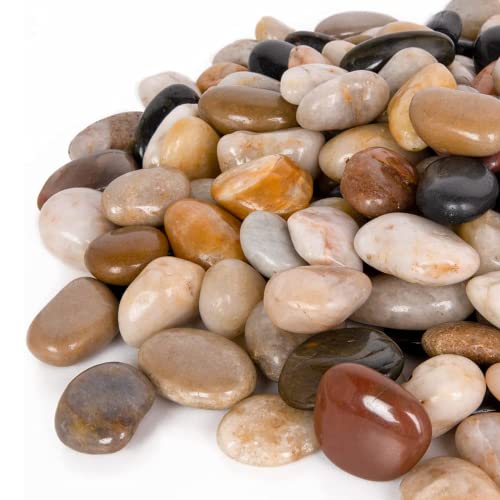
Best for elegant, high-visibility displays in planters, rock gardens, and aquatic setups. These 1 to 1¾ inch stones have a brilliant polished surface that reflects light, making them ideal for modern landscapes and indoor displays. They work well in pots, terrariums, and water features where a glossy look is desired. Better for low-abrasion areas; avoid using in soil mixes where sharp edges could pinch roots. Note that larger sizes may require more space in containers and displays.
YISZM 2LB Succulent Gravel Pebbles

Best for cacti, succulents, terrariums, and mixed arrangements where drainage is critical. The 1/5 inch size helps prevent soil compaction and promotes airflow around roots, reducing rot risk. These versatile pebbles can top soil in planters, fill vases, or edge terrariums. A potential limitation is the small size, which may shift or hide in wind or rain, so lighter, secure placements are recommended for outdoor displays.
FANTIAN Mexican Beach Pebbles 20 lb
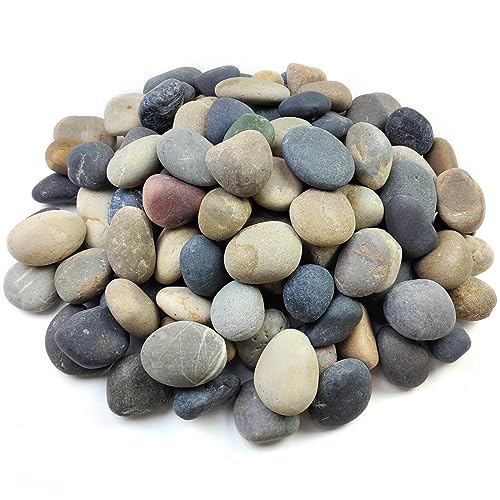
Best for large-scale pathways, garden borders, and feature areas in patios or courtyards. The 2-3 inch stones provide a bold, natural look and come in mixed colors with varied shapes to create a rugged, outdoor-ready aesthetic. They are non-toxic and reusable, but their weight and size mean they are best suited for permanent installations and low-traffic walkways. When used in water features, ensure proper drainage to avoid pooling.
FANTIAN 5 Pounds Black River Pebbles

Best for contemporary, minimalist landscapes or black-and-white-themed decor. The 2-3 inch stones offer a dramatic contrast in any garden, planter, or outdoor feature. They are non-toxic and can withstand outdoor conditions, but their dark color may show dust more readily, requiring occasional cleaning to keep the finish striking. Choose these if you want a bold, modern focal point.
Buying Guide: Small Rocks For Landscaping
Size, color, durability, and placement should guide your selection. Consider these questions:
- What is the intended use: plant beds, planters, walkways, or water features?
- What size rocks fit your space without obstructing plant growth or access?
- Do you want a natural, rustic look or a polished, contemporary appearance?
- Are you layering rocks (drainage vs. decorative top-dress) or using them as concrete substitutes?
- Will the rocks be exposed to pets, children, or weathering, affecting safety and maintenance?
Size And Placement Considerations
Smaller pebbles (around 1/5 to 3/8 inch) are ideal for succulent pots, terrariums, and vase filler because they provide drainage without overwhelming plant roots. Medium pebbles (1/2 to 1 inch) work well in decorative beds and planters, while larger stones (2-3 inches) create bold features along pathways or garden borders.
Color And Finish
Natural colors resist fading and blend with most schemes. Polished pebbles give a refined look for indoor decor or water features, while unpolished stones suit rustic or xeriscape designs. Remember that color depth can shift with moisture; dry stones often appear lighter, while wet stones reveal richer tones.
Durability And Safety
Non-toxic, natural stones are safer around pets and children. If stones are used in play areas or underfoot, choose smooth textures to minimize sharp edges. For aquariums and terrariums, ensure the stones are washed and checked for any loose materials that could affect water quality.
Maintenance Tips
- Rinse stones before installation to remove dust and soil.
- Periodic washing helps maintain color and shine (especially polished stones).
- Replenish or rearrange stones as plants grow or mulch decomposes to maintain a balanced look.
FAQ
- What size rock is best for succulent pots? – 1/5 inch to 3/8 inch is ideal for good drainage and aesthetics in succulents and terrariums.
- Do polished rocks last longer than natural rocks? – Polished rocks offer a glossy finish that resists weathering but may require more cleaning to maintain shine; natural rocks age with character but may fade in intense sun.
- Can rocks be used around pets? – Yes, if they’re natural and free of coatings or dyes. Avoid sharp edges in play areas.
- Are larger rocks necessary for garden pathways? – Yes, 2-3 inch stones create a stable, visible edge and reduce tracking into adjacent areas.
- Do rocks affect soil drainage? – Yes. Lighter top-dress rocks can help retain moisture in dry climates or improve surface drainage in containers.
- How should I clean decorative rocks? – Rinse with water, use a mild soap for tougher dirt, and air-dry before returning to place.