Hydrangeas rely on acidic soil to produce their signature blue blooms. The right soil acidifier lowers pH and boosts essential nutrients, helping hydrangeas color up while supporting other acid-loving plants like azaleas and rhododendrons. Below are five top-rated soil acidifiers, each with traits that appeal to American gardens and organic, sustainable growing practices. The quick guide at a glance highlights what each product offers.
| Product | Key Benefit | Ideal For |
|---|---|---|
| True Organic Soil Acidifier | Lowers soil pH for blue hydrangeas; supports acid-loving plants | Organic gardens, blue hydrangeas |
| Espoma Organic Soil Acidifier | Turns hydrangeas blue; contains elemental sulfur | Organic gardening, diverse acid-loving plants |
| Jobe’s Organic Soil Acidifier | OMRI listed; reduces alkalinity with elemental sulfur | Organic growers, color-enhanced hydrangeas |
| Perfect Plants Organic Soil Acidifier | Balances acidity to blue blooms; versatile for fruits and veggies | Hydrangeas, edible garden crops |
| Bloom City Organic Soil Acidifier | Specifically designed for acid-loving plants; supports blue hydrangeas | Hydrangeas, blueberries, acid lovers |
True Organic Soil Acidifier For Hydrangeas

True Organic Soil Acidifier lowers soil pH to create an ideal environment for acid-loving plants. It is particularly suitable for hydrangeas, helping to turn blooms blue by fostering a more acidic soil. The product also supports the health of azaleas, rhododendrons, blueberries, and camellias, promoting vibrant color and robust growth. Applications focus on consistent, measured acidity adjustments to minimize runoff and maximize uptake of essential nutrients.
Espoma Organic Soil Acidifier – 30 lb

Espoma Organic Soil Acidifier lowers soil pH using elemental sulfur and gypsum, making it suitable for a broad range of acid-loving plants, including hydrangeas. It is widely used in organic gardening due to its natural components and long-lasting effect. This amendment helps to turn Mophead and Lacecap hydrangea blooms blue when soil conditions become more acidic, while also supporting other acid-preferring species.
Jobe’s Organics Granular Soil Acidifier

Jobe’s Organics Granular Soil Acidifier provides a natural way to decrease soil alkalinity with elemental sulfur, supporting blue hydrangea colors and vibrant foliage. This OMRI-listed amendment is formulated to minimize wasteful runoff and reduce odors and hazards associated with handling. It’s designed for organic gardening, offering a clean, simple application that fits into standard lawn-and-garden care routines.
Espoma Organic Soil Acidifier Amendment – 6 lb
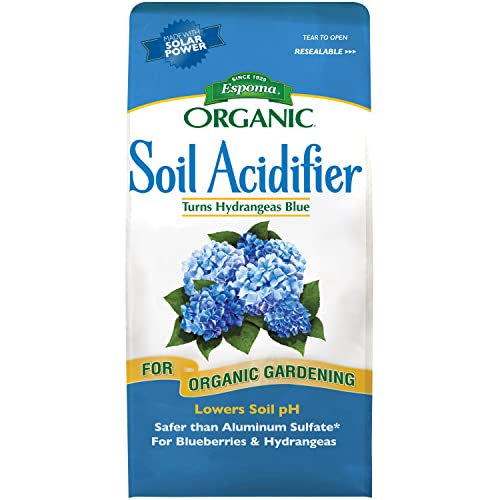
This 6 lb Espoma formulation emphasizes compatibility with acid-loving plants, including hydrangeas, azaleas, camellias, and rhododendrons. Containing elemental sulfur and gypsum, it lowers soil pH to enhance blue bloom production while supporting overall plant health in organic landscapes. It’s designed for homeowners who prefer a trusted, widely available solution with clear organic gardening credentials.
GardenWise Slow Release Hydrangea Fertilizer With Iron & Sulfur

GardenWise Slow Release Hydrangea Fertilizer combines iron and sulfur in a balanced formula designed to support acid-loving plants. While marketed as a fertilizer, it also contributes to soil acidity, helping hydrangeas develop deeper blue hues and more robust foliage. The slow-release design minimizes feeding frequency and reduces the risk of nutrient burn for gardeners managing multiple shrubs and perennials.
Buying Guide
Key purchase considerations for soil acidifiers include:
- Type of acidifier: Elemental sulfur, gypsum, or sulfur-containing blends. Elemental sulfur lowers pH gradually, while gypsum can provide calcium and sulfur without altering pH significantly on its own.
- Usage target: Hydrangeas are particularly sensitive to soil pH; ensure the product is appropriate for hydrangea color changes and acid-loving companions.
- Organic versus synthetic: Organic gardening enthusiasts may prefer OMRI-listed or naturally derived amendments that align with sustainable practices.
- Application rate and frequency: Some products require regular applications, while others offer slow-release benefits. Follow label directions to avoid nutrient imbalances.
- Soil testing: Before adjusting pH, test your soil’s current pH and buffering capacity to calibrate the amount of amendment needed for desired blue shades.
- Compatibility: Consider existing fertilizers and soil conditions (organic matter, moisture, drainage) to prevent over-acidification or salt buildup.
For best results, combine soil testing with a conservative application schedule, monitoring bloom color and foliage health over several growing seasons. When choosing an option, align the product with your overall gardening goals—whether prioritizing organic certification, ease of use, or long-term soil health. Hydrangea color responsiveness can vary with variety, so adjustments may be nuanced rather than universal across a landscape.