Need a soil conditioner that helps grass grow stronger and stay healthier? This guide highlights the best options for lawn owners dealing with compacted soil, poor drainage, or standing water. Best for homeowners with clay or dense soil, best for those seeking organic or OMRI-listed solutions, and best for quick-acting results. The top five picks below are selected for clarity, effectiveness, and ease of use across common Grass types (fescue, Bermuda, bluegrass, zoysia, and more).
| Product | Best For | Key Benefit |
|---|---|---|
| Liquid Soil Loosener – Soil Conditioner (Simple Lawn Solutions) | Compact clay soils; water infiltration | Fast-acting liquid conditioner; supports drainage |
| Covington Liquid Lawn Aerator | Clay soils; easy, no-core aeration | Liquid aeration for better uptake and root growth |
| Liquid Lawn Aerator (LawnStar) | Quick relief; avoid core aeration hassles | Hyper-concentrated formula for soil loosening |
| The Andersons HumiChar Organic Soil Amendment | Overall soil health; organic gardening | Humic acid and biochar for long-term benefits |
| Verdante Liquid Soil Conditioner | All-purpose lawn and garden care | 6-in-1 conditioner and bioactive concentrate |
Liquid Soil Loosener – Soil Conditioner
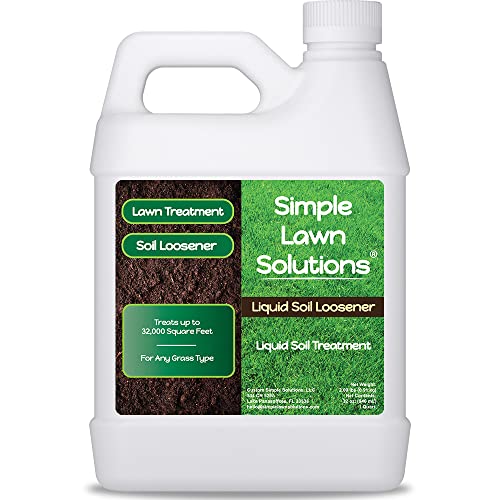
Brand: Simple Lawn Solutions
- Liquid Soil Loosener can be used alone or with mechanical or core aeration
- Conditions compact soil and improves downward water movement and infiltration
- Concentrated 32-ounce formula covering up to 32,000 sq ft
- Helps standing water and promotes drainage alongside any fertilizer program
Best for homeowners who want a quick, easy-to-apply solution that works with or without aeration equipment. Choose this if your lawn experiences slow drainage or dense overbuilt soil, and you prefer a liquid option to avoid coring.
Limitation: As a liquid conditioner, results depend on uniform application and consistent watering after treatment.
Covington Liquid Lawn Aerator

Brand: Covington Naturals
- Deep soil conditioner that loosens compacted soil; improves structure
- Easy alternative to core aeration; improves water movement and air circulation
- Safe for pets and kids; uses humic acids, amino acids, and kelp
Best for homeowners who want a simple, tool-free product and are concerned about safety around children and pets. Choose this if you want an effective liquid option to help clay soils absorb water and nutrients—without renting aeration equipment.
Limitation: May require repeat applications for ongoing compacted conditions or heavy soils.
Liquid Lawn Aerator
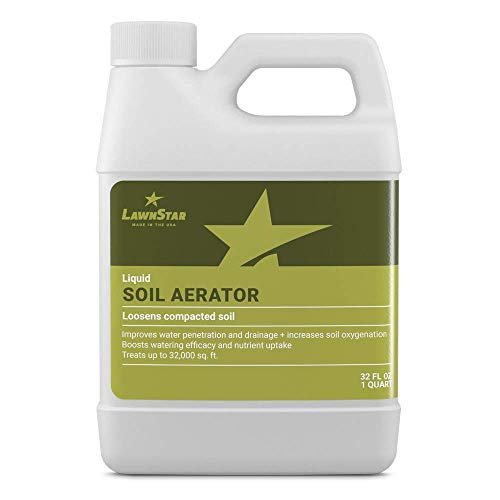
Brand: LawnStar
- Easy-to-use liquid alternative to core and mechanical aeration
- Increases water uptake and drainage; saves time and water
- Deep soil conditioner with a hyper-concentrated formula
Best for lawns where quick relief from compaction is needed and you want a straightforward liquid product. Choose this if you want a simpler, less labor-intensive option than core aeration, with emphasis on water management.
Caution: Over-application can lead to overly loose soil; follow recommended rates for your lawn size.
The Andersons HumiChar Organic Soil Amendment

Brand: The Andersons
- Organic soil amendment featuring humic acid and biochar
- Improves soil health, lawn health, and plant health
- Dispersible granule technology; OMRI listed; can blend with fertilizers
Best for gardeners seeking long-term soil improvement and reduced reliance on synthetic fertilizers. Choose this if you want an organic option that enhances microbial activity and soil structure with biochar benefits.
Limitation: Benefits may be gradual and depend on consistent soil management over time.
Verdante Liquid Soil Conditioner
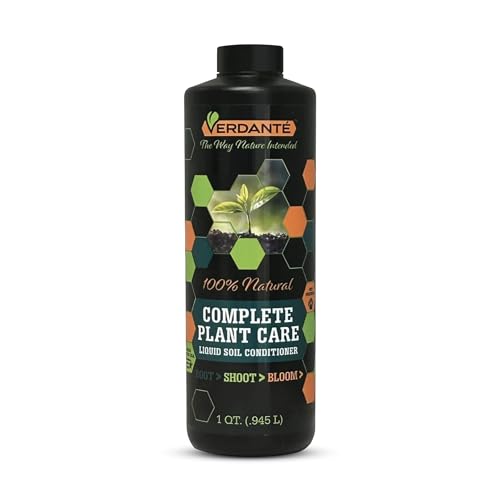
Brand: VERDANTÉ
- 6-in-1 benefits: soil conditioner, biostimulant, biofertilizer, and more
- Enhances nutrient uptake, root strength, and yield; reduces synthetic inputs
- Easy-to-use liquid concentrate; safe for pets and family
Best for comprehensive lawn and garden care with multi-benefit activity. Choose this if you want a versatile product that supports nutrient uptake and root health while minimizing chemical inputs.
Buying Guide: How To Choose A Grass-Specific Soil Conditioner
- Soil type and condition: Are you dealing with clay, compacted soil, or poor drainage? Look for products labeled for aeration or soil loosening, especially those designed for clay soils.
- Mode of application: Do you prefer liquid, granular, or combination products? Liquids often provide quicker results and easier application on established lawns, while granules can offer longer-term benefits.
- Active ingredients: Humic acids, biochar, kelp, and microbial boosters each offer different benefits. OMRI-listed products suit organic gardens.
- Scope and coverage: Check square footage coverage and whether the product suits your lawn size and layout. Concentrated formulas typically cover larger areas.
- Safety and compatibility: Consider pet and child safety, and whether the product blends with your fertilizer or existing lawn care program.
- Expected timeline: Some products deliver fast relief from compaction, while others improve soil health gradually over months.
Frequently Asked Questions
- What is the primary purpose of a soil conditioner for grass? A soil conditioner improves soil structure, enhances water infiltration and drainage, and supports healthier root growth for better lawn performance.
- Are organic soil amendments better than synthetic options? Organic amendments can improve long-term soil health and microbial activity, while synthetic options may deliver quicker, targeted results. The best choice depends on goals and soil conditions.
- Can I use a soil conditioner with existing fertilizer programs? Yes. Many products are designed to be compatible with common fertilizer programs, but always check the label for blending guidelines.
- How often should I apply a soil conditioner? Application frequency depends on soil condition and product type. Some products are applied monthly, others seasonally or as needed after aeration.
- Is liquid soil conditioner safer for pets and children? Many products market being safe for households, especially those with natural or OMRI-listed ingredients. Always read the label for safety guidance and timing after application.
- What’s the difference between soil conditioners and gypsum or lime? Gypsum and lime adjust specific soil properties (calcium, gypsum for salt damage). Soil conditioners focus on overall soil structure, water movement, and microbial health.