Answer: For gnats in indoor plant settings, layer-friendly soil covers and pest-trap options work best. Soil covers help conceal soil surfaces, reduce light exposure to larvae, and maintain a tidy look, while sticky traps address adult gnats. This guide highlights five top picks suited for different setups, from decorative displays to potted greenery in homes and offices. The best buyers are those seeking a low-maintenance, pest-aware approach to indoor gardening.
Summary table of chosen products:
- Mosser Lee ML1112 Black Sand Soil Cover, 5 lb. — Best for modern, dark-accent planters
- Mosser Lee ML1111 White Sand Soil Cover, 5 lb. — Best for bright, light-colored arrangements
- Legigo Coconut Fiber Mulch Ring — Best for moisture retention and weed suppression
- Mosser Lee ML1151 Brown Forest Bark Soil Cover — Best for orchid and terrarium styling
- KIKALIFE Yellow Sticky Gnat Traps — Best for rapid adult gnats capture
Mosser Lee ML1112 Black Sand Soil Cover

Best for: Dark-toned planters and modern interiors. This 5 lb bag provides a sleek black finish that hides soil while allowing decorative plant arrangements to shine. It improves water drainage and can be used in clear vases, dish gardens, and terrariums for a polished look.
Why selected: The cover offers a clean, low-visibility soil surface, which helps reduce light exposure to soil pests and minimizes gnats from becoming obvious on topsoil. It also contributes to drainage, helping to prevent soggy roots.
Caution: May darken dramatically in direct sunlight; consider placement to avoid color transfer on light fabrics or furniture.
Mosser Lee ML1111 White Sand Soil Cover

Best for: Light-colored planters and bright displays. The white sand cover brightens the pot interior and complements pale plant pots or variegated foliage.
Why selected: Like the black variant, it conceals soil while enhancing drainage. It is particularly suited to decorative arrangements in clear containers where contrast matters.
Caution: White surfaces may show dust more quickly; routine light cleaning will help maintain the crisp look.
Legigo Coconut Fiber Mulch Ring

Best for: Moisture retention around pots and natural-looking plant rings. The coco fiber mulch ring is designed to cover soil edges and help minimize evaporation.
Why selected: It combines aesthetic appeal with practical moisture management, supporting plant health in dry indoor environments. The natural coco coir helps suppress weeds and holds water near the root zone.
Caution: The size requires trimming to fit smaller pots and ensuring the ring sits evenly around stems to avoid crowding.
Mosser Lee ML1151 Brown Forest Bark Soil Cover
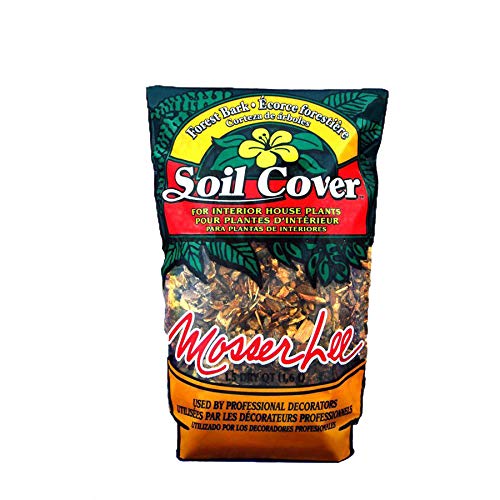
Best for: Orchid pots, terrariums, and dish gardens needing a natural bark-like surface. The brown forest bark cover adds texture and a rustic finish.
Why selected: Bark textures can create a more natural microclimate around root zones while concealing soil. It works well in both indoor plant displays and arts-and-craft projects.
Caution: Bark pieces can shed; place carefully in wind-prone areas or use in covered potting spaces to prevent debris on floors or furniture.
KIKALIFE Yellow Sticky Gnat Traps
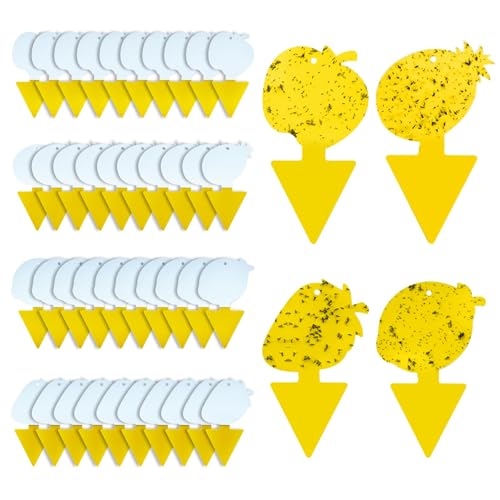
Best for: Quick control of flying gnats around indoor plants. The traps are bright yellow and use extra-sticky glue to capture small pests.
Why selected: Sticky traps address adult gnats, complementing soil covers that target larvae. They are easy to deploy in pots, gardens, and greenhouses and are non-toxic.
Caution: Traps may capture beneficial insects if used outdoors; place away from pollinators in open areas and check regularly for full adhesion and replace as needed.
Buying Guide
What type of soil cover helps with gnats?
Soil covers primarily reduce light exposure to the soil surface and hide larvae in plain sight. They also contribute to moisture retention and improved drainage, which can influence gnat activity indirectly by limiting damp, exposed soil where gnats breed.
When should you use soil covers versus traps?
Use soil covers to create an aesthetic, low-maintenance surface on pots and terrariums. Add sticky traps for immediate adult GNAT captures, especially in highly infested areas or where plants require frequent inspection.
How to choose the right color and texture?
Choose colors that complement your planter and plant color scheme. Dark covers blend with greenery and modern planters, while light covers brighten containers. Texture matters for humidity: finer covers are less likely to trap excess moisture.
How to apply and maintain?
Spread covers evenly over the soil surface, ensuring no large gaps. For coco rings or bark, place around the base with attention to pot edges. Inspect regularly for mold or buildup and refresh as needed to keep a neat appearance and optimal soil conditions.
What about multi-product setups?
Combine soil covers with traps for comprehensive control: use covers to conceal soil and reduce breeding zones, and traps to intercept adult gnats. This layered approach helps maintain a cleaner look while addressing multiple life stages of gnats.
FAQ
- Q: Do soil covers kill gnats?
- A: Soil covers do not kill gnats directly. They reduce larval habitat visibility and moisture balance, which can limit breeding, while additional traps or sprays target adults.
- Q: Can I use these products indoors with pets?
- A: Most soil covers are inert materials. Sticky traps should be used with caution around pets; follow product guidance and supervise access to treated areas.
- Q: Will the color of the cover affect plant health?
- A: Color does not affect plant health; it mainly influences aesthetics and light exposure on the soil surface.
- Q: How often should I replace sticky traps?
- A: Replace traps when they become full or lose stickiness to maintain effectiveness.
- Q: Can I mix multiple products?
- A: Yes, combining soil covers with sticky traps is a common approach to address both larvae and adults, but avoid overloading plants with materials that may restrict root access or airflow.