Choosing the right soil mix is essential for healthy citrus trees and container-grown fruit. The ideal mix balances drainage, aeration, and nutrient availability to prevent root rot while supporting steady growth and fruit development. The selections below highlight popular, purpose-built options designed for indoor or outdoor citrus, including lemon, orange, and lime trees, as well as related tropicals. Each product emphasizes drainage, pH considerations, and easy-to-use blends that support robust citrus performance in pots or limited garden spaces.
Summary of Selected Products
| Product | Brand | Typical Use |
|---|---|---|
| Miracle-Gro Cactus, Palm & Citrus Potting Mix, 8 qt (2-Pack) | Miracle-Gro | Fast-draining mix for indoor/outdoor citrus, palms, cacti and succulents |
| Citrus Tree Potting Soil Mix (12 Quarts) | Soil Sunrise | Enhanced aeration, drainage, balanced pH for indoor oranges, lemons, limes |
| Gardenera Citrus Tree Potting Soil Mix (1 Quart) | Gardenera | Professional blend with premium ingredients for rapid root development |
| LGM Cactus & Succulent Palm & Citrus Mix (.5 Cu Ft.) | LGM | Nutrient-dense mix for citrus, succulents, palms needing good drainage |
| GARDENWISE Organic Lemon Tree Soil (3 Quarts) | GARDENWISE | Organic fertilizer boosted mix with improved drainage and pH suitability |
Miracle-Gro Cactus, Palm and Citrus Potting Mix
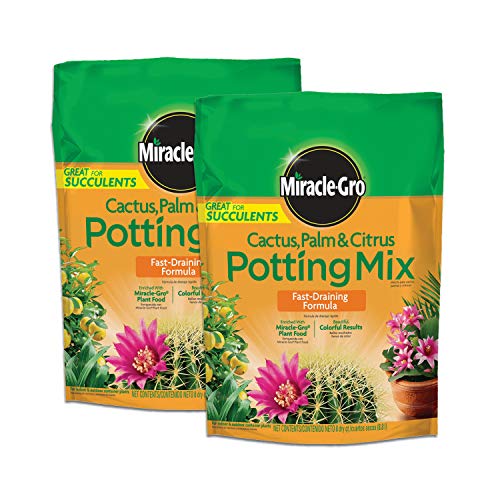
Miracle-Gro’s Cactus, Palm & Citrus Potting Mix is engineered for fast drainage, a key factor for citrus container culture. The formulation is enriched with Miracle-Gro Plant Food to support steady growth in a variety of species, including cacti, palms, and citrus trees. Its indoor/outdoor compatibility makes it a versatile choice for balconies, patios, and sun rooms where citrus trees are commonly kept. The improved drainage helps prevent waterlogged roots, while the plant food ensures ongoing nutrition during the growing season. Users should consider the mix’s drainage needs relative to their pot size and the citrus variety being grown, as citrus generally benefits from a slightly acidic to neutral pH range and steady moisture without sogginess.
Key benefits: fast-draining texture, nutrient-rich for ongoing feeding, suitable for a range of container plants. Potential considerations: may require monitoring for salt buildup with frequent feeding; ensure proper watering practices to maintain optimal moisture without saturating the root zone.
Citrus Tree Potting Soil Mix (12 Quarts)

Soil Sunrise’s Citrus Tree Potting Soil Mix is designed to deliver enhanced growth benefits through superior aeration, drainage, and nutrient retention, with a balanced pH suitable for citrus. This blend is tailored to support indoor oranges, lemons, limes, and other citrus varieties, promoting robust root systems and steady fruiting potential. The emphasis on a well-balanced pH helps optimize micronutrient availability, a common challenge in container citrus. Gardeners should consider pot size and irrigation frequency to maintain consistent moisture, as citrus roots prefer evenly moist soil but not standing water.
Strengths include improved drainage and pH stability, which contribute to resilient growth and better fruit set. Guidance suggests pairing with regular feeding during the growing season and monitoring for signs of nutrient deficiency or stress, particularly in smaller pots where root volume is limited.
DUSPRO Recycle Citrus Tree Potting Soil Mix

DUSPRO’s 4-in-1 citrus potting mix focuses on natural ingredients and pre-mixed readiness for immediate use. The blend aims to achieve ideal drainage, suitable pH, and breathable soil that supports citrus root development. The product highlights an emphasis on simplicity—pour, place, and water—making it a convenient option for beginners and seasoned gardeners alike. The mix can be used alone or combined with other substrates to meet plant-specific needs, offering flexibility for different citrus varieties and container setups. Gardeners should consider pot size and water management to maximize the blend’s effectiveness in promoting healthy root systems.
Considerations include the blend’s ease of use and the balance of nutrients, which can support initial establishment and ongoing vigor. For fruit production, ongoing nutrition through the growing season, along with appropriate pruning and light exposure, remains important for consistent results.
GARDENERA Citrus Tree Potting Soil Mix (1 Quart)

Gardenera’s mix is professionally blended in the USA with premium horticultural ingredients such as Canadian peat moss, perlite, worm castings, and lime. The 1-quart bag is designed for easy handling and targeted updates to container-grown citrus plants. It promotes rapid root development through components that enhance drainage and aeration, while the low-salt coconut coir aids moisture retention. This makes it suitable for indoor and outdoor citrus containers, dwarf varieties, and other citrus relatives. For best results, monitor waterings to maintain a moist, well-drained root zone and supplement as needed with periodic feeding.
Strengths include a strong focus on root health and moisture management. Potential considerations involve adjusting application rates for larger pots or trees and ensuring compatibility with other fertilizers used in a citrus care routine.
LGM Cactus & Succulent Palm & Citrus Mix

LGM’s Cactus & Succulent Palm & Citrus Mix is formulated for plants requiring excellent drainage, including citrus trees grown in containers. The blend includes composted forest products, perlite, sphagnum peat moss, and a suite of nutrients and soil amendments such as chicken manure, kelp meal, and iron sulfate. This combination supports a robust, nutrient-rich environment that promotes healthy growth for succulents, cacti, palms, and citrus. The mix’s structure helps prevent waterlogging while delivering essential elements for sustained vigor and, potentially, better fruit development in container environments.
Observations indicate this mix offers a versatile solution for gardeners growing multiple plant types. When using a single mix for mixed plantings, ensure that citrus-specific nutrient needs are met through ongoing feeding tailored to citrus rather than relying solely on the base blend.
GARDENWISE Organic Lemon Tree Soil

GardenWise presents an organic lemon tree soil with built-in fertilizer lasting up to six months. The blend emphasizes improved drainage with added perlite and coarse sand to prevent root saturation and to encourage healthy root systems. The mix’s pH range is tailored for citrus at 5.5–6.5, an ideal window for lemon trees and similar varieties. This combination aims to support vigorous growth and steady fruit production while maintaining a soil environment that resists common citrus-related stresses. Gardeners should plan regular checks on soil moisture and nutrient status to maximize the long-term benefits of the organic blend.
Key advantages include sustained nutrient availability from organic fertilizer, better drainage, and a pH profile favorable to many citrus cultivars. Potential considerations involve adjusting the organic feed schedule to align with the plant’s growth stage and ensuring compatibility with any additional soil amendments or foliar feeds used during the season.
Buying Guide: Key Purchase Considerations for Citrus Potting Soils
- Drainage and aeration: Citrus roots dislike soggy soil. Look for blends with perlite, pumice, or sphagnum to improve drainage and air pockets, especially in small pots.
- pH and nutrient balance: Most citrus prefer slightly acidic to neutral soil (pH roughly 5.5–7.0). Choose mixes that promote steady nutrient availability and consider future adjustments with targeted fertilizers.
- Organic vs synthetic inputs: Organic mixes offer slow-release nutrition and microbial benefits, but synthetic blends can provide predictable feeding schedules. Balance with your care routine and preference for organic options.
- Container size and root space: For larger citrus trees, select a mix designed for container growth with durable structure to avoid compaction. Re-pot when roots fill the pot to maintain vigor.
- Ease of use and readiness: Some mixes are ready-to-use straight from the bag, while others require mixing with mulch or amendments. Consider your experience level and time constraints.
- Compatibility with fertilizers: If you rely on supplemental feeding, verify that the soil mix supports ongoing nutrition without causing nutrient overload or salt buildup.
- Long-term maintenance: For ongoing fruit production, pair a good soil with consistent watering, light, pruning, and a citrus-specific fertilization plan to optimize yields.
- Indoor vs outdoor use: If you plan to use the same soil for indoor containers and outdoor pots, verify that the blend tolerates temperature extremes and frequent watering typical of indoor environments.