Jade bonsai thrives with soil that provides fast drainage, steady aeration, and balanced moisture. The right mix helps prevent root rot, supports steady nutrient uptake, and keeps roots from staying overly wet or compacted. Below are five premium soil blends commonly recommended for jade and other succulents, each sourced from trusted brands. This guide highlights how each mix supports root health, drainage, and pH balance to keep your jade bonsai thriving in an indoor setting.
| Product | Brand | Key Benefit |
|---|---|---|
| Bonsai Jack Succulent, Cactus and Bonsai Soil – Jacks Gritty Mix | Bonsai Jack | Fast draining; optimized pH; fights root rot |
| Jade Plant Potting Soil Mix (8 Quarts) | Soil Sunrise | 100% natural; improves drainage and aeration |
| Bonsai Soil Mix by Tinyroots | Bonsai Outlet | Pre-mixed; reduces dust; supports bonsai root health |
| Premium Bonsai Soil Mix for Thriving Indoor Bonsai Trees | Agra Life | Organic blend; optimal drainage and aeration |
| Bonsai Soil Premium All Purpose Blend | Leaves and Soul | Non-organic lava, pearock, calcined clay for drainage |
Note: This article focuses on soil mixes suitable for jade bonsai and similar succulents. Each product blends different aggregates to balance moisture retention, aeration, and drainage—key factors for a healthy jade bonsai root system in container culture.
Bonsai Jack Gritty Mix For Jade Bonsai
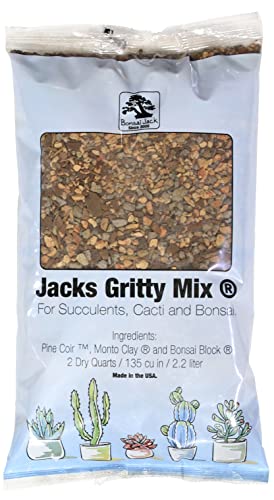
Bonsai Jack’s gritty mix combines components designed for fast drainage and root health. It emphasizes a pH around 5.5 and features elements like Bonsai Block, Monto clay, and pine coir. This blend aims to reduce water retention near the roots, preventing root rot while still providing adequate moisture when needed. It’s described as lightweight and air-filled, supporting the typical needs of jade and other succulents that prefer dryer feet between watering cycles. The mix is particularly suitable for plants that require good drainage and a looser substrate to encourage healthy root exploration.
Jade Plant Potting Soil Mix (8 Quarts)

Soil Sunrise provides a 100% natural soilless blend marketed for jade plants and similar succulents. This mix emphasizes organic humus, good drainage, and aeration to promote healthy root systems. It’s suitable for repotting jade plants indoors or outdoors and aims to support both moisture control and nutrient retention. While designed for jade, its natural composition can also benefit other indoor succulents and small container plants that require steady air flow around the roots.
Bonsai Soil Mix By Tinyroots

Tinyroots’ all-purpose bonsai soil mix is designed to support a range of bonsai varieties, including jade bonsai. The blend is pre-mixed and ready to use, with a focus on removing dust and fine particles that could hinder root health. It emphasizes fast drainage and balanced water absorption to maintain nutrient availability without waterlogging. Its professionally developed formula suits both novice and experienced bonsai hobbyists who want a reliable, ready-to-use substrate for repotting and ongoing care.
Premium Bonsai Soil Mix For Indoor Bonsai

Agra Life’s premium bonsai soil mix targets thriving indoor bonsai trees with an organic blend designed for drainage and aeration. The formula aims to balance nutrients while avoiding compacted soil, helping roots access oxygen and water without becoming waterlogged. It’s described as suitable for all bonsai varieties, making it a versatile option for jade, juniper, ficus, and other commonly kept bonsai species in a home environment.
Bonsai Soil Premium All Purpose Blend

Leaves and Soul’s premium all-purpose bonsai blend emphasizes a mix of non-organic aggregates including lava rock, limestone, pearock, calcined clay, and pinebark. This combination is crafted to provide fast drainage while maintaining adequate moisture retention. The mix is designed for a variety of bonsai species, enabling consistent water management and root aeration. It is marketed as a USA-made product, reflecting a domestic production focus combined with a robust drainage profile ideal for jade bonsai care.
Buying Guide
Key considerations when selecting soil for jade bonsai include drainage capacity, particle size, pH stability, and long-term nutrient availability. For jade, a substrate that dries out slowly enough to avoid root desiccation but drains quickly enough to prevent root rot is ideal. Look for blends with pumice, lava, calcined clay, pine bark fines, and akadama, which balance aeration and moisture retention. Pre-mixed bonsai soils offer convenience and consistency, while specialized jade or succulent soils may emphasize pH targets around mildly acidic levels. Consider your local climate, watering frequency, and container type when choosing a mix.
Durability and consistency matter: pre-mixed blends reduce the risk of dust and fine particles clogging potting mix and create a more stable root environment. If you prefer to customize, you can blend your own with components like lava rock, pumice, pine bark, and calcined clay to achieve faster drainage. For indoor jade bonsai, monitor moisture frequently, adjust watering to seasonal changes, and repot when roots become crowded or the soil texture breaks down.
Botanical perspective also matters: jade bonsai benefit from lighter, well-aerated soils that prevent compaction and promote root exploration. Organic blends provide nutrient-rich substrates but can retain more moisture, so measure water based on the plant’s cues rather than a fixed schedule. For purists, akadama-based mixes offer excellent drainage and a stable medium, though they may be pricier and require careful moisture management.
Maintenance perspective: regardless of the blend, ensure pot drainage is unobstructed, use pots with drainage holes, and avoid overwatering. Jade plants store water in their leaves; however, the roots still require air. An ideal soil mix maintains a balance between air space and moisture retention, enabling growth without waterlogged conditions. Periodic repotting every 2–3 years helps refresh the root zone and soil structure for continued health.