Plumeria, or frangipani, thrives in a potting mix that drains quickly while retaining enough moisture for steady growth. The right soil helps prevent root rot and supports vibrant foliage and abundant blooms. Below are five carefully selected potting mixes designed to meet the needs of container-planted plumeria, balancing drainage, aeration, and nutrient delivery for American gardeners.
Summary of chosen products:
- Miracle-Gro Tropical Potting Mix
- rePotme Succulent Soil
- Midwest Hearth Premium Potting Soil Mix
- Rosy Soil Indoor Potting Soil
- NOVA-TERRA Orchid Potting Mix
Miracle-Gro Tropical Potting Mix For Tropicals

Miracle-Gro Tropical Potting Mix is formulated specifically for tropical plants and works well for plumeria grown in containers. It provides a nutrient-rich base intended to feed tropical species for up to six months, helping young plumeria establish roots and support robust growth. A key feature is the inclusion of lava rock, which improves drainage and prevents compacted soil—a critical factor for plumeria’s root health in pots. This mix aims to balance moisture management with air-filled porosity, reducing the risk of root rot while still supporting steady hydration during hot summers.
For gardeners seeking convenience, this mix reduces the frequency of fertilization early in the season, while still delivering essential elements to sustain growth. It is best used in well-draining containers with drainage holes to prevent standing water. While it provides a strong starting mix, monitor moisture closely in very hot environments and supplement with a light feeding schedule as the plant develops new growth and buds.
Rosy Soil Indoor Potting Soil With Biochar

Rosy Soil Indoor Potting Soil is designed to support houseplants and tropicals with a biochar-enriched formula. Biochar helps with moisture retention and microbial activity, which can contribute to healthier root systems. The blend emphasizes a balance between drainage and moisture retention, making it suitable for plumeria housed in containers that need consistent humidity without becoming waterlogged. It’s also peat-free, aligning with sustainable gardening practices, and is described as being less prone to gnats—an advantage in indoor setups where pest pressure can be a concern.
Root health is supported by a living soil concept, where beneficial microorganisms collaborate with the plant to optimize nutrient uptake. For plumeria, this means a soil matrix that can feed new growth with steady vigor. Follow recommended watering practices to prevent soggy conditions, and consider supplementing with a light, balanced fertilizer during the growing season to encourage lush foliage and eventual blooms.
NOVA-TERRA Fiddle Leaf Fig Soil Mix with Perlite
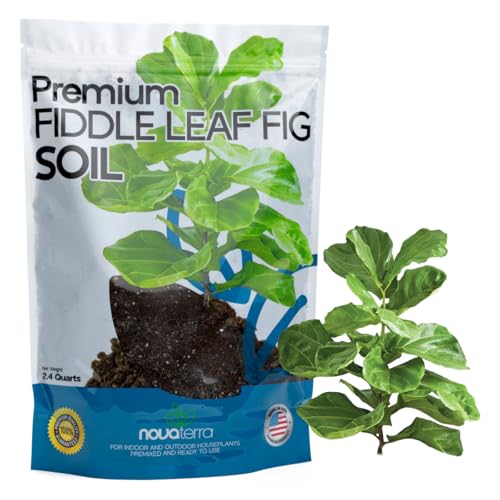
This Nova-TERRA blend is marketed for fiddle leaf fig care but carries notable relevance for plumeria in pots due to its emphasis on drainage and soil structure. The mix features coco coir, perlite, and other drainage-friendly components aimed at promoting air space within the root zone. It also includes a free 2-ounce bag of fertilizer pellets to support initial growth. While it’s pitched toward fig trees, the well-draining texture can be beneficial for plumeria, especially in hot indoor environments where compacted soil is a risk.
Gardeners should ensure containers have sufficient drainage and avoid over-watering, as plumeria roots prefer to dry out somewhat between waterings. Pair this mix with a slow-release or balanced fertilizer as needed, and monitor root health during the first growing season to adjust watering and feeding regimens accordingly.
rePotme Succulent Soil For Plumeria Yes

rePotme Succulent Soil is designed for succulents, cacti, and other drought-tolerant tropicals, with an Imperial Blend that emphasizes rapid drainage and low water-retention characteristics. The container-friendly formulation is hand-blended in small batches to ensure quality and freshness, and is described as free-draining and ready to use right out of the bag. For plumeria in pots, this mix supports healthy root systems by preventing compacted soil and promoting aeration around tropical roots that appreciate a well-structured environment.
The blend is particularly suitable for potted plumeria that experience warm humidity or outdoor containers where roots can settle into a drier microclimate between waterings. Use sparingly if your climate remains consistently moist, as overly aggressive drainage can lead to slower growth unless moisture is adequately replenished. Pair with careful irrigation and occasional feeding to sustain robust growth and flowering potential.
NOVA-TERRA Orchid Potting Mix With Perlite

This NOVA-TERRA orchid potting mix combines orchid-friendly components with perlite to improve drainage and aeration. While designed for orchids, the mix’s structure can suit plumeria containers seeking excellent drainage and root airflow. The product includes a complimentary 2-ounce bag of orchid fertilizer pellets, which can jump-start nutrition for new growth. The blend emphasizes organic matter and perlite to maintain a light texture that helps prevent compaction and supports episodic watering cycles common in potted plumeria care.
When using this mix for plumeria, ensure the container has adequate drainage and monitor moisture to avoid long periods of waterlogged soil. Combine with periodic feeding during the growing season to promote strong stems, dark foliage, and eventual bloom formation. The orchid-tilted formulation can be a good fallback option when you need a light, airy medium that resists crusting around the root zone.
Buying Guide: Potting Soil For Plumeria In Pots
- Drainage is paramount: Choose soils that contain perlite, pumice, lava rock, or coarse bark to keep roots oxygenated and prevent rot in warm climates.
- Aeration over moisture retention: While plumeria enjoy some moisture, they prefer a well-aerated mix that dries slightly between waterings. Avoid heavy blends with dense peat or clay.
- Nutrient availability: Look for mixes with balanced or tropical-specific nutrients that feed the plant for several weeks to months, reducing the need for frequent fertilization early in the season.
- Container considerations: Ensure pots have drainage holes and are appropriately sized for root growth. Elevated planters or terracotta pots can help with evaporation and soil balance.
- Organic versus synthetic inputs: Organic components (biochar, coco coir, bark) improve soil biology and moisture management, while synthetic fertilizers provide predictable nutrition. A blend that combines both can be effective for beginners and seasoned growers.
- Climate adaptability: In hot or dry environments, pick a mix with robust drainage and permit more frequent but light waterings. In humid regions, focus on coarse texture and flatter moisture retention to avoid soggy roots.
- Re-potting cadence: Plumeria in pots benefits from repotting every 2–3 years to refresh soil, inspect roots, and prevent mineral buildup. Use a fresh, well-draining mix at each repot.
Choosing the right soil is a foundation for healthy plumeria in containers. If you start with a well-draining tropical mix and adjust watering to seasonal needs, you’ll support strong rooting, lush leaves, and ultimately a rewarding display of blossoms. Consider starting with Miracle-Gro Tropical Potting Mix or rePotme’s free-draining blend, then tailor your care with additional amendments such as perlite or pumice as your plant grows and your climate dictates.