Choosing the right soil is essential for thriving raised herb gardens. This guide highlights five well-regarded soil mixes and how they support herbs like basil, thyme, oregano, and mint in raised beds or containers. Each product is evaluated for texture, nutrient availability, moisture retention, and suitability for outdoor or indoor herb growing. Use the buying guide below to compare options based on your climate, watering habits, and herb varieties.
| Product | Brand | Key Benefit | Ideal Use |
|---|---|---|---|
| Espoma Organic Raised Bed Mix | Espoma | Organic blend with mycorrhizae | Raised beds & outdoor containers |
| True Organic Raised Bed Food | True Organic | Long-lasting nourishment | Raised beds & large containers |
| Burpee Premium Potting Mix | Burpee | All-natural mix with coconut coir | Containers & raised beds |
| Miracle-Gro Organic Raised Bed & Garden Soil | Miracle-Gro | Quick-release natural fertilizer | Raised beds & gardens |
| Garden Magic Potting Soil | Garden Magic | Perlite mix for moisture balance | Indoor/outdoor herb pots |
Espoma Organic Raised Bed Mix

Espoma’s Organic Raised Bed Mix is designed specifically for raised garden beds and outdoor containers. It blends natural ingredients with earthworm castings and alfalfa meal to enrich soil biology. The MYCO-TONE component provides a proprietary mix of endo and ecto mycorrhizae to help herbs access nutrients and water more efficiently. For herbs, this translates to robust establishment of roots, improved nutrient uptake, and better drought tolerance once established. The texture remains well-draining yet moisture-retentive, which reduces the risk of root rot in hot summer months.
True Organic Raised Bed Food

True Organic Raised Bed Food is formulated to support abundant growth of herbs in raised beds and large containers. Its rich organic ingredients include seabird guano and shell meals to nourish soil over time. The product emphasizes a consistent release pattern, with applications every two months during the growing season to keep herbs steady in their nutrient supply. For raised herbs, this means steady green growth and stronger leaf production, which is especially helpful for culinary varieties like oregano and basil that thrive with regular feeding without sudden nutrient flushes.
Burpee Premium Potting Mix

Burpee Organic Premium Potting Mix blends plant food with coconut coir to promote seed and root growth. OMRI Listed for organic use, it’s well-suited for container gardening and raised beds. The mix feeds plants immediately and includes a slow-release component that sustains nutrition for up to three months. The coconut coir helps maintain moisture balance, supporting herbs through dry spells and ensuring oregano, thyme, and basil don’t stretch for water between irrigations.
Miracle-Gro Organic Raised Bed & Garden Soil
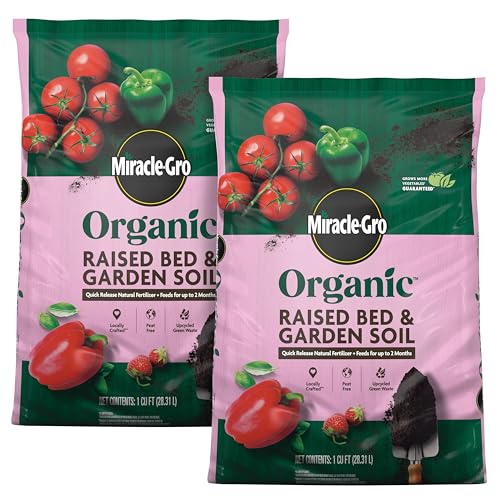
Miracle-Gro’s Organic Raised Bed & Garden Soil is a peat-free blend that uses upcycled green waste, aligning with sustainability-minded growers. It includes a quick-release natural fertilizer designed to feed herbs for up to two months. This combination supports rapid establishment of basil and cilantro in new raised beds while maintaining soil structure to prevent crusting in hot weather. For gardeners who want a ready-to-use option that accelerates growth, this mix offers a convenient, all-in-one solution.
Michigan Peat Garden Magic Potting Soil

Garden Magic’s Potting Soil with Perlite emphasizes moisture balance and structural stability, making it suitable for both indoor herb pots and raised beds. The blend includes reed sedge peat and composted manure, delivering essential nutrients with improved aeration. Perlite helps prevent compaction, which is beneficial for shallow herb roots. This mix supports a broad range of herbs—from mint to rosemary—by maintaining consistent moisture levels and providing enough drainage to avoid soggy roots.
Buying Guide: Key Purchase Considerations
When selecting soil for a raised herb garden, several factors influence success. First, consider texture: a light, well-draining mix with organic matter supports shallow herb roots without waterlogging. Second, nutrient profile matters for flavor-rich herbs; look for blends with compost, worm castings, kelp, or mycorrhizae to encourage steady growth. Third, moisture management: herbs prefer evenly moist soil, not soggy conditions, so blends containing coconut coir or perlite can help balance water retention and drainage. Fourth, organic certification and sustainable sourcing may guide your choice for edible herbs. Finally, your growing method (raised beds vs. containers) will determine if you need premium container blends or garden-grade mixes with long-lasting nutrition.
Comparison at a glance for a practical plan: Espoma offers organic blends with mycorrhizae for microbial support; True Organic emphasizes long-lasting nutrition with seabird guano and shell meals; Burpee provides a coconut coir-based mix with instant feeding and slow-release nutrients; Miracle-Gro adds a peat-free, fast-acting fertilizer blend; Garden Magic focuses on moisture management with perlite and reed sedge peat. Depending on your climate, container size, and herb variety, you may prioritize quick nutrient release, longer-lasting feeding, or superior drainage.
Practical tips for use: fill raised beds with a mix that has good structure and organic matter, then top-dress with compost annually. In containers, choose a mix with higher moisture retention to prevent rapid drying in hot weather. For herbs like cilantro and basil, avoid heavy blends that compact easily; aim for a lighter, well-aerated mix that supports steady leaf production. Store unopened bags in a cool, dry place to preserve texture and nutrient integrity.
Additional Considerations for Different Herb Types
- Basil, oregano, and thyme prefer well-draining soil with steady moisture; avoid excessive nitrogen that encourages lush leaf growth at the expense of flavor.
- Mint is aggressive and benefits from slightly more moisture; ensure your mix provides consistent hydration without becoming soggy.
- Rosemary and savory appreciate a slightly coarser texture to prevent root rot; blends with perlite or coconut coir aid drainage.
In summary, a well-chosen soil mix supports robust herb growth, enhances flavor, and reduces maintenance. The options above provide a spectrum from ready-to-use potting mixes to specialized raised-bed blends. Align your choice with your garden setup, watering regime, and preferred herb varieties to optimize yields and culinary results.