Choosing the right soil for rubber tree plants (Ficus elastica) helps ensure strong growth, vibrant foliage, and resilient roots. The selections below focus on well-draining, breathable mixes that support indoor trees. Each option is suitable for potted rubber trees and similar indoor varieties, balancing moisture retention with drainage to prevent root rot. Use these as guidance when repotting or starting a new plant in a container.
| Product | Brand | Type | Key Benefit |
|---|---|---|---|
| Perfect Plants Money Tree Potting Soil 4qt | PERFECT PLANTS | Promotes root growth and leaf shine with good moisture drainage | |
| Miracle-Gro Cactus, Palm & Citrus Potting Mix, 8 qt | Miracle-Gro | Fast drainage, enriched with plant food for succulents and palms | |
| Miracle-Gro Organic Indoor Potting Mix, 16 qt | Miracle-Gro | Protects against over- and under-watering for indoor container plants | |
| 100% Organic Fiddle Leaf Fig Soil, 7.5L | Fiddle Leaf Fig Plant Food | Optimized for indoor trees with strong root structure and glossy foliage | |
| Doter Organic Money Tree Soil Mix 1qt | Doter | Neutral-to-slightly acidic pH with good drainage for money trees |
Perfect Plants Money Tree Potting Soil 4qt

This organic coco coir-based mix is designed to support potted trees, including money trees. It combines shredded coir husk, pine bark, perlite, sand, and garden lime to promote root growth and leaf shine. The blend provides moisture retention without staying waterlogged, mirroring a plant’s natural environment for healthy development. Ideal for repotting rubber trees to improve drainage and overall soil structure.
Miracle-Gro Cactus, Palm and Citrus Potting Mix
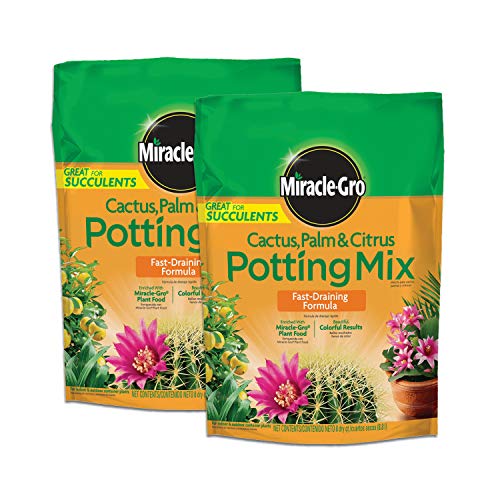
This fast-draining mix is enriched with Miracle-Gro Plant Food, specifically formulated for cacti, palms, citrus, and other succulents. While not a dedicated rubber tree soil, its drainage-focused profile helps prevent root rot in container-grown trees. It’s suitable when you want a lightweight mix that dries more quickly between waterings, reducing the risk of overwatering.
Miracle-Gro Organic Indoor Potting Mix

This organic mix uses responsibly sourced peat moss, coir, and a quick-start natural fertilizer to support a wide range of indoor container plants. It helps protect against both overwatering and underwatering by providing balanced moisture retention and drainage. For rubber trees, this option offers a versatile base that remains airy yet capable of sustaining steady growth.
100% Organic Fiddle Leaf Fig Soil
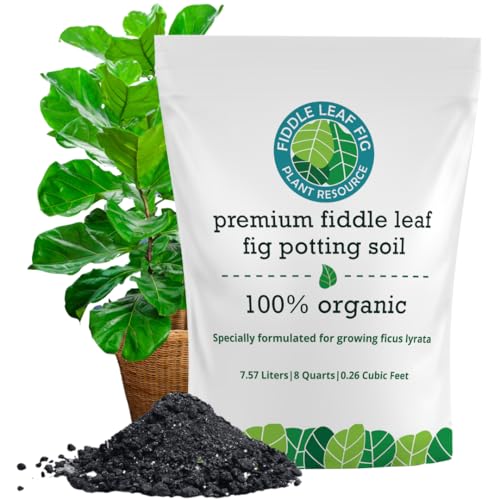
Though marketed for fiddle leaf figs, this soil is a breathable, nutrient-rich blend that supports indoor trees with robust root systems. It uses aged bark, green compost, and biochar to reduce chemical buildup and enhance soil structure. The mix emphasizes strong drainage and moisture balance, which aligns with rubber tree needs for prompt drainage and stable hydration.
Fiddle Leaf Fig Soil by Perfect Plants 8QTS

This all-purpose mix with coconut coir emphasizes water retention without sacrificing drainage. It’s enriched with fiddle leaf fig tree food to support plant health and vibrant growth. For rubber trees, using this blend can help maintain a balanced moisture level and promote steady root expansion in containers.
Doter Organic Money Tree Soil Mix 1qt

This soil balances pH to near-neutral, with organic compost and perlite for improved drainage. It’s designed to prevent both soggy roots and drought stress, making it suitable for money trees and related indoor varieties. Rubber trees benefit from the neutral pH and nutrient-dense mix when repotting or refreshing soil.
Buying Guide: Key Purchase Considerations For Rubber Tree Soil
When selecting soil for rubber trees, consider these factors to ensure healthy growth and low maintenance:
- Drainage and aeration: Rubber trees dislike soggy roots. Look for mixes with perlite, pine bark, coconut coir, or sand to improve drainage and air flow.
- Moisture retention: A balance between drainage and moisture retention helps roots stay hydrated without staying wet. Coco coir and organic compost blends often provide this balance.
- pH suitability: A near-neutral to slightly acidic pH (around 6.0–7.0) supports healthy root function. Some soil blends are formulated with this range in mind.
- Nutrient content: Ready-to-use blends with slow-release fertilizer can support growth, but avoid overly rich mixes that may encourage rapid salt buildup.
- Root health and structure: Airy textures with visible chunky components (bark, coir, perlite) help develop strong root systems and reduce transplant shock.
- Organic vs synthetic: Organic mixes are often preferred for long-term health and reduced chemical buildup; synthetically enriched blends can work short-term but may require closer monitoring.
- Container size: Choose a potting mix that matches pot size and planned root expansion to avoid frequent repotting.
In practice, rubber trees thrive with a well-draining mix that still retains some moisture. A coco coir-based blend or a chunky organic mix with bark and perlite tends to perform well, especially when repotting into a pot with a drainage hole. Regularly check soil moisture and adjust watering to match seasonal growth and indoor humidity levels. The products listed above provide a range of formats—from pure organics to blended options—so you can balance availability, texture, and long-term plant health.