Starting seeds indoors or in a warm, nutrient-rich medium is the first step to a thriving home garden. The right soil mix supports fast root development, good aeration, and steady moisture control. Below are five highly regarded seed-starting soils commonly recommended for beginners and seasoned gardeners alike. Each option emphasizes organic ingredients, pH balance, and nutrient delivery to help seedlings establish quickly and uniformly.
| Product | Brand | Type | Key Benefit |
|---|---|---|---|
| Miracle-Gro Seed Starting Potting Mix, 8 Quarts (Pack of 2) | Miracle-Gro | Potting Mix | Fast root development; plant food enriched |
| Back to the Roots 3-in-1 Seed Starting Mix, 6 Quarts | Back to the Roots | All-Purpose Seed Mix | Nutrient-rich with mycorrhizae, yucca extract, and coconut coir |
| Back to the Roots Organic Seed Starting, 12 Quarts | Back to the Roots | Compressed Block (Expands) | Balanced pH; peat-free; expands up to 12 quarts |
| Espoma Organic Seed Starter Premium Potting Soil Mix | Espoma | Organic Mix | Mycorrhizae blend; all-natural with proper pH |
| Black Gold Seedling Mix, 8 quart | SunGro Horticulture | Seedling Mix | OMRI-listed; aeration and moisture retention |
Miracle-Gro Seed Starting Potting Mix, 8 Quarts (Pack of 2)

Miracle-Gro’s seed starting mix is designed to promote rapid root growth. It’s enriched with Miracle-Gro Plant Food to support germination and early plant development and is noted as excellent for starting cuttings as well. The combination of prepared nutrients and a light, airy texture helps seeds establish quickly in containers or trays, making it a common first choice for home gardeners.
Back to the Roots 3-in-1 Seed Starting Mix, 6 Quarts

This organic mix combines nutrients with mycorrhizae, coconut coir, yucca extract, and other components to promote strong root development. The product emphasizes natural ingredients and includes pH-balancing minerals like dolomitic limestone to reduce acidity, supporting steady nutrient uptake during germination and early growth.
Back to the Roots Organic Seed Starting, Compressed Block

This peat-free, OMRI-listed option expands from a compact block to a full seed-starting medium. It offers a balanced pH and is versatile for use alone or as a soil amendment in pots or gardens. The expansion capability makes it convenient for users who want a cost-effective, all-purpose seed starting medium with organic credentials.
Espoma Organic Seed Starter Premium Potting Soil Mix

Espoma’s seed starter mix features a blend of sphagnum peat moss and perlite with yucca extract and lime to ensure proper pH. It includes Myco-Tone with beneficial mycorrhizae to promote robust root associations. This all-natural mix is designed for germination and seedling growth across vegetables, herbs, and flowers, with potential use for cuttings as well.
Black Gold Seedling Mix, 8 quart
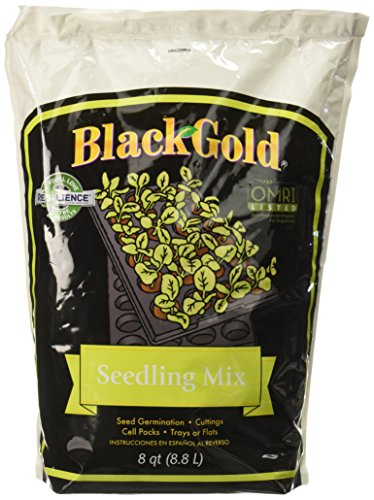
Black Gold Seedling Mix combines screened Canadian sphagnum peat moss with additional fine ingredients to deliver excellent aeration and moisture retention. It’s designed to help seedlings establish quickly with a light, well-draining medium. This product is produced in the United States and is listed for organic production standards in certain contexts.
Buying Guide
Key purchase considerations for seed-starting soils include texture, nutrient content, organic status, and pH management. Consider the following perspectives to choose the best option for your setup:
- Texture and aeration: A light, fluffy mix that preserves air spaces around roots supports rapid germination and steady growth. Avoid heavy soils that compact as they retain too much water.
- Nutrient delivery: Some mixes are pre-fertilized with starter nutrients, while others are inert and require separate feeding after germination begins. For beginners, a lightly fertilized mix reduces early transplant shock.
- Organic and sustainable ingredients: If you prefer organic gardening, look for OMRI listings and plant-friendly amendments like mycorrhizae, coconut coir, and natural limestone.
- pH balance: Seedlings thrive in near-neutral to slightly acidic conditions. Dolomitic limestone and other pH-balancing additives help stabilize the mix.
- Water retention vs. drainage: Seed starters need moisture without becoming waterlogged. Mixes containing perlite, vermiculite, or coconut coir offer balanced moisture control.
- Versatility: Some blends work well for starting seeds, rooting cuttings, and as amendments in pots or garden beds, offering flexibility for different growing spaces.
- Ecological and regional considerations: Local availability, container size, and climate influence which mix performs best in your setup.
When selecting a soil for starting seeds, assess your goals (fast germination, organic production, or ease of use) and your preferred growing method (trays, cups, or direct pots). If you grow a variety of plants, an all-purpose mix with balanced nutrients and good aeration can provide consistent results across vegetables, herbs, and flowers. For novice gardeners, pre-fertilized options with mycorrhizae can simplify early care, while peat-free blends support sustainable gardening practices.