String of Hearts (Ceropegia woodii) thrives when planted in a soil mix that drains quickly while holding some moisture. This guide explains the best soil components, watering practices, and care tips to keep these delicate, heart-shaped vines healthy. You’ll find practical recommendations drawn from top-selling String of Hearts offerings and soil-focused advice to support robust growth, compact vines, and vibrant foliage.
| Product | Brand | Amazon Link |
|---|---|---|
| The Succulent Cult Live Succulent 4″ String of Hearts | The Succulent Cult | View on Amazon |
| String of Hearts – Hearts Entangled -Ceropegia woodii-2.5″ Pot | Hirt’s Gardens | View on Amazon |
| Variegated String of Hearts Hanging Basket | Plants for Pets | View on Amazon |
| Ceropegia Woodii X Variegated String of Hearts Variegated | Winter Greenhouse | View on Amazon |
| String of Hearts Plant (Non-Variegated) 4” | California Tropicals | View on Amazon |
Best Soil Mix For String Of Hearts
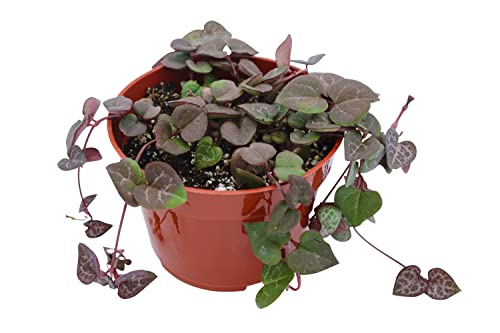
The right soil mix is crucial for String of Hearts. A well-draining blend helps prevent root rot while retaining enough moisture for the plant’s delicate roots. A common approach is a cactus or succulent potting mix augmented with perlite or pumice for added drainage. Avoid heavy garden soils that compact and retain too much water. Consider adding a small amount of organic matter to improve aeration, but keep the mix light and airy to support the vine’s trailing habit.
String of Hearts From Hirt’s Gardens
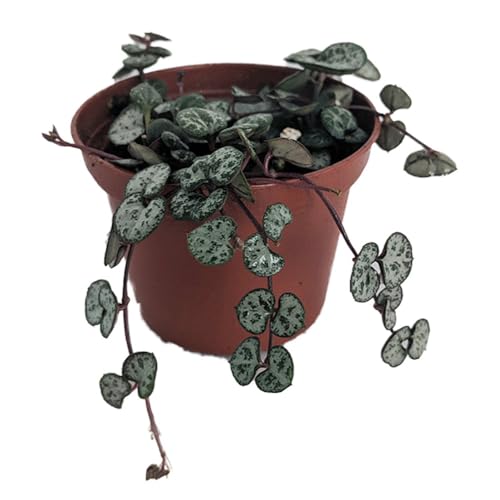
Hirt’s Gardens offers a string of hearts plant that benefits from a light, well-draining mix. For best results, use a fast-draining soil with some organic components for a touch of nutrients. Water when the top inch of soil dries out and ensure the pot has drainage holes. Avoid soaking the plant, which can lead to root issues. Pair with a lightweight potting mix designed for succulents for steady growth and healthy foliage.
Variegated String of Hearts By Plants For Pets

For variegated varieties, a similarly airy soil mix supports even growth and prevents moisture from lingering near the roots. Use a blend that mirrors succulent soil with additional drainage enhancers like pumice or perlite. Variegated leaves can be more sensitive to overwatering, so start with a drier schedule and adjust based on environmental conditions. The hanging basket design encourages good airflow around the plant, aiding evaporation and root safety.
Ceropegia Woodii X Variegated String Of Hearts

Variegated varieties benefit from the same well-drained mix, but the lighter color of foliage may reflect more light. A soil that drains quickly but retains a small amount of moisture helps prevent stress on the plant’s delicate roots while supporting steady growth. Use a blend that includes coarse peat or coconut coir and a generous portion of perlite for aeration. Feed sparingly with a balanced fertilizer during the growing season to avoid nutritional burn.
String of Hearts Non-Variegated By California Tropicals

Non-variegated string of hearts commonly performs well in succulent-friendly soil. A bright, fast-draining mix with perlite or pumice helps maintain appropriate moisture levels. Pot with proper drainage and avoid waterlogged soil. For best results, water thoroughly then allow the top inch to dry before watering again. This keeps roots oxygenated and supports long, trailing stems with healthy heart-shaped leaves.
Live Succulent Plants String of Hearts 4″ Pot

This option emphasizes a ready-to-grow approach with a 4″ pot and a fully rooted plant. When potting into a new soil mix, choose a succulent-based soil with good drainage and light organic matter. Ensure the pot includes drainage holes and use a container that accommodates growth without crowding the roots. Water cautiously and observe how the plant responds to the new mix, adjusting watering frequency accordingly for optimal growth.
Buying Guide: Key Purchase Considerations For Soil And Care
- Soil drainage: The core requirement for String of Hearts is rapid drainage to prevent root rot. Look for cactus/succulent mixes or any blend with perlite, pumice, or coarse sand.
- Moisture retention: While drainage is essential, the mix should retain a small amount of moisture to support the plant between waterings. A light component of coco coir or orchid bark helps balance this.
- Aeration: Airy soil allows roots to access oxygen and reduces compaction. Coarse amendments like perlite or pumice improve airflow.
- Container and drainage: Always use pots with drainage holes. Consider containers with a wide surface area for trailing growth and frequent watering adjustments.
- Watering practice: Water thoroughly when the top inch of soil dries, then wait again before watering. Avoid letting the plant sit in standing water.
- Light exposure: Although not soil-focused, avoid prolonged direct sun for all string of hearts varieties and provide bright, indirect light to help soil moisture balance and prevent leaf burn.
- Fertilization: Use a diluted, balanced fertilizer during the growing season. Excessive feeding can burn roots in a soil that’s already well-draining.
- Variegation sensitivity: Variegated varieties may require more light to maintain color but should still be kept in well-draining soil to avoid moisture buildup.
- Maintenance: Periodically refresh soil in older plants to prevent root-bound conditions and to renew drainage properties as the plant grows.
Across these options, the common theme is a well-draining, lightweight mix tailored for succulents, with careful watering schedules to protect the delicate roots of String of Hearts. Using the recommended mixes or customizing your own with cactus potting soil plus perlite or pumice can help ensure lush, trailing vines with long-lasting heart-shaped leaves.