Growing thyme in pots requires soil that drains well, retains adequate moisture, and supports robust root growth. The following selections emphasize peat-free blends, balanced pH, and ingredients designed to improve aeration and moisture control. Each option is suitable for container thyme and other small culinary herbs, offering reliable performance for American gardeners managing space and soil quality. The list highlights blends from trusted brands to help you pick soil that promotes flavorful, resilient thyme plants.
| Product | Brand | Key Benefit |
|---|---|---|
| Back to the Roots 100% Organic Potting Mix (Value 12 Quart) | Back to the Roots | Peat-free, light carbon footprint, good moisture control |
| Miracle-Gro Seed Starting Potting Mix, 8 Quarts | Miracle-Gro | Fast root development, enriched with plant food |
| Rosy Soil Indoor Potting Soil for House Plants | Rosy Soil | Biochar for robust roots, balanced moisture, peat-free |
| Gary’s Best Top Pot Premium Potting Soil | UF Urban Farm D & S Garden Supplies | Long-lasting blend with pumice and charcoal for aeration |
| Premium Potting Soil Mix with Peat Moss, Vermiculite, Perlite | Midwest Hearth | Professional-grade aeration and moisture control |
Back to the Roots Organic Potting Mix
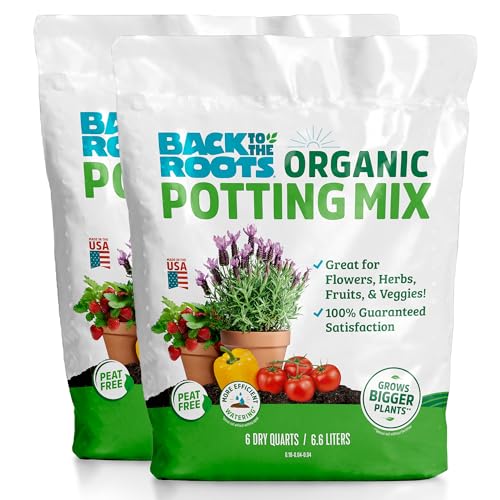
This 100% organic, peat-free mix uses upcycled plant matter and wood fines from across the U.S., offering a lighter carbon footprint. It is formulated for all-purpose use, making it suitable for thyme in pots where you need reliable drainage and moisture management. Yucca extract aids moisture control, and dolomitic limestone helps balance pH for herb growth. Expect thriving container thyme with consistent irrigation and healthy root development.
Miracle-Gro Seed Starting Potting Mix

Specially formulated to promote fast root development, this mix is enriched with Miracle-Gro Plant Food. While marketed for seed starting, its nutrient-rich profile can support robust thyme transplants in containers and help establish strong root systems early in the season. Ideal for herb pots where rapid establishment matters, with reliable nutrient availability for the first growth stages.
Rosy Soil Indoor Potting Soil
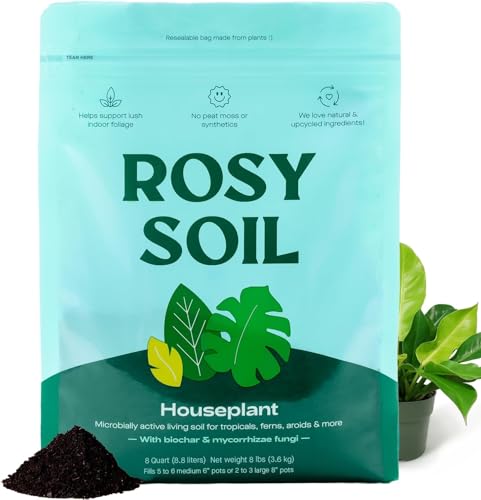
Rosy Soil’s indoor potting mix features biochar and pine bark fines to support robust root systems, balanced moisture retention, and healthier growth. The peat-free formula is designed for a broad range of houseplants, including herbs like thyme. The mix fosters living soil with beneficial microorganisms that help thyme plants thrive in container environments while reducing common issues like wilting.
Gary’s Best Top Pot Premium Potting Soil

This long-lasting formulation includes naturally porous pumice for superior water retention and aeration. It supports consistent moisture levels and strong root growth, reducing the risk of soggy pots or dry pockets in thyme containers. A versatile choice for herb pots where ongoing performance matters over multiple growing cycles.
Premium Potting Soil Mix with Peat Moss

Made in the USA, this mix blends peat moss, vermiculite, and perlite to promote healthy root growth and provide aeration with good moisture retention. It mirrors professional-grade blends used by growers and suits thyme in pots where you need a reliable foundation for strong, well-drained roots and steady growth.
Buying Guide
Key purchase considerations for thyme in pots include soil texture, drainage, and nutrient availability..
- Drainage and aeration: Look for mixes with perlite, vermiculite, pumice, or bark fines to ensure air spaces that prevent root rot and help thyme roots breathe.
- Moisture management: Choose blends with moisture-retentive components but avoid peat-heavy formulas that stay soggy in small pots. Yucca extract or biochar can improve moisture control and water efficiency.
- pH balance: Thyme prefers a slightly alkaline to neutral pH. Some blends include limestone or dolomitic limestone to stabilize pH for herb health.
- Peat vs. peat-free: Peat-free mixes are more sustainable and reduce compaction over time, though ensure they still support adequate moisture retention.
- Fertility and longevity: Consider whether you want a fast-starting mix or a longer-lasting blend. Starter soils with plant food work well for new transplants, while longer-lasting soils reduce the frequency of repotting.
- Container size and usage: For small containers, a lighter mix with good drainage prevents soil compaction. For larger pots, a balanced mix supports steady growth across seasons.
- Brand credibility and sourcing: Opt for brands with clear ingredient lists and US-based manufacturing when possible for consistent performance and quality control.