Choosing the right soil for transplanting seedlings is essential for strong root systems and high transplant success. The best seed-starting and transplant mixes balance moisture, drainage, and nutrients while minimizing disease risk. Below, you’ll find a curated selection of soil blends designed to support vigorous growth from day one, with options for organic gardeners and beginners alike. Each product prioritizes aeration, proper waterholding capacity, and compatibility with a variety of plants.
| Product | Brand | Best For | Key Benefit |
|---|---|---|---|
| Espoma Organic Vegetable & Flower Garden Soil | Espoma | Transplanting to in-ground beds | Myco-Tone mycorrhizae for improved nutrient uptake |
| Purple Cow Seed Starter Mix | Purple Cow Organics | Seedlings in trays or blocks | Compost-based with activated compost for 45 days fertility |
| Omitgoter Seed Starting Soil Mix | Omitgoter | Vegetables, flowers, houseplants | Optimal germination environment, drainage, and pH balance |
| Doter Organic Seed Starter Mix | Doter | Seedlings with rapid germination | Balanced blend with organic matter, peat alternatives, and moisture control |
| Rosy Soil Seed Starter Mix (Peat-Free) | Rosy Soil | Seedlings, cuttings, microgreens | Peat-free formula enriched with biochar, worm castings, and mycorrhizae |
Espoma Organic Vegetable & Flower Garden Soil

Espoma’s Organic Vegetable & Flower Garden Soil is designed for planting and transplanting in in-ground beds. The blend emphasizes soil structure and nutrient availability, aided by the proprietary MYCO-TONE mycorrhizae. This product helps establish robust root systems and improves nutrient uptake, particularly important when moving seedlings from pots to garden beds. It’s intended for organic gardening and supports long-term soil health through natural inputs rather than synthetic additives. Use it to condition native soil or as a planting mix for transplanting vegetables and flowering plants.
Purple Cow Seed Starter Mix
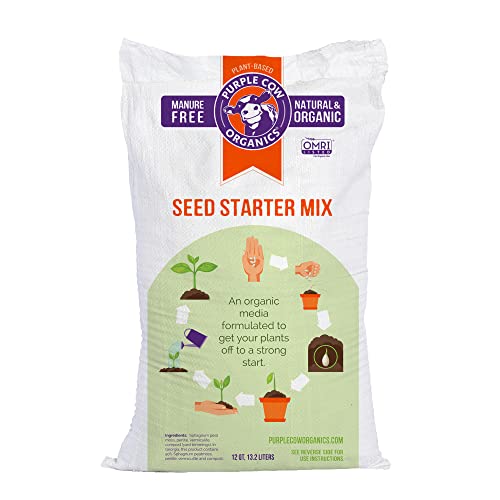
Purple Cow Seed Starter Mix is a ready-to-use compost-based blend designed to support fast seedling germination and strong root formation. It’s suitable for use in plastic trays or with soil blockers, making it versatile for transplanting scenarios. The product includes fertility for up to 45 days, helping seedlings establish before they are moved to larger containers or beds. This mix is built around activated compost, which adds soil vitality and microbial activity that can improve early plant vigor and resilience during transplant.
Omitgoter Seed Starting Soil Mix

Omitgoter Seed Starting Soil Mix is engineered to create an optimal germination environment with balanced drainage and aeration. This mix promotes strong sprouts from day one and helps prevent waterlogging that can stunt early root development. The formulation is pH-balanced to support seed germination and vibrant foliage as seedlings transition to larger containers or garden beds. It’s a practical choice for households gardening vegetables, flowers, and houseplants.
Doter Organic Seed Starter Mix

Doter’s Organic Seed Starter Mix emphasizes readiness and ease of use, eliminating the need for complex soil preparation. The organic blend combines peat moss, perlite, vermiculite, and other essential ingredients to balance moisture and drainage. This mix is designed to maintain ideal moisture for germination while preventing root suffocation from overwatering, making it suitable for a wide range of seedlings and cuttings. It supports quick germination and vigorous early growth, enabling smooth transplant transitions.
Rosy Soil Seed Starter Mix (Peat-Free)

Rosy Soil’s peat-free seed starter mix is built around sustainable materials, including biochar, worm castings, mycorrhizae, and pine bark fines. The blend aims to deliver improved aeration and drainage while supporting microbial life that benefits root development. Its peat-free formula reduces environmental impact and is versatile for starting vegetables, herbs, flowers, and microgreens. The mix is designed to be easy to use for transplanting, with nutrients that reduce transplant shock and encourage steady growth after moving seedlings to pots or beds.
Buying Guide: Key Purchase Considerations
- Organic vs. conventional: Decide whether you want organic inputs and natural fertilizers. Organic blends often emphasize mycorrhizae, worm castings, and compost-based components that support long-term soil health.
- Moisture management: Look for mixes that balance moisture retention with drainage. Seedlings are vulnerable to both drying out and waterlogging, so a well-structured mix helps maintain consistent moisture during germination and early growth.
- Particle size and texture: Fine-textured mixes are good for starting seeds in trays, while coarser blends improve aeration for transplanted seedlings in beds or larger pots. Consider your transplant plan when choosing texture.
- pH compatibility: Seedling success hinges on a suitable pH range. Some formulations specify pH-balanced properties, which can be advantageous for diverse plant types during transplant.
- Transplant readiness: If you plan to transplant seedlings soon after germination, choose a mix that minimizes root disturbance and supports sturdy root systems, whether via peat-based or peat-free options.
- Container vs. in-ground use: Some blends are tailored for pots and seed trays, while others are designed to condition native soil. Match the product to your transplant destination for best results.
- Environmental impact: Peat-free formulas reduce environmental concerns associated with peat harvesting. Consider peat-free or sustainable components if eco-friendliness matters to you.
When selecting a soil mix for transplanting seedlings, compare how each product handles nutrients, water retention, and root-support features. For typical home gardens, a peat-free option with biochar or worm castings can offer robust drainage and ongoing soil improvement after transplant. For beginners, ready-to-use seed starter blends with consistent moisture control can simplify the process and reduce transplant shock.