Find the right soil inoculant to support bean crops, peas, and other legumes. The top picks here focus on products known to enhance nitrogen fixation, improve root health, and promote bigger yields. This guide helps gardeners choose between granular inoculants, mycorrhizal blends, and concentrated formulas. Best for beginner seed sowers, home vegetable beds, and experienced allotment growers looking to reduce synthetic fertilizer use.
Summary table of selected products:
- Park Seed Nature’s Aid Garden Soil Inoculant — Best for beans and peas; granular, easy to apply
- PAPAW’S GARDEN SUPPLY INOCULANT — Great for beans and peas; compact 1.5 oz pouch
- DYNOMYCO Granular Mycorrhizal Fungi Inoculant 100g — Best for root growth and nutrient uptake
- Myco Bliss Granular (1lb) — Very concentrated, multi-strain mycorrhizae
- Dr.Raifya’s Mycorrhizal Fungi Inoculant — 10x concentrated, strong root activation
Park Seed Nature’s Aid Garden Soil Inoculant
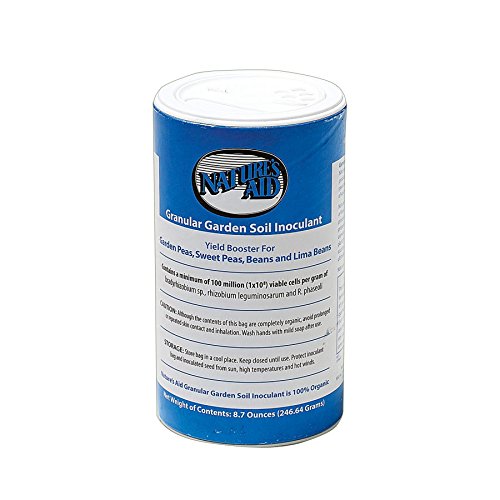
Best for: Beans, peas, and vetch in home gardens. This granular formula introduces live nitrogen-fixing bacteria to the soil, improving the nitrogen cycle and supporting robust root growth and vigorous foliage. It’s formulated with Bradyrhizobium sp., Rhizobium leguminosarum, and R. phaseoli to support legume nutrient uptake and higher yields. Easy to apply at sowing, making it a strong choice for first-time inoculant users.
Why selected: It provides a direct nitrogen boost to legume crops while remaining a dry, user-friendly option. The granular format minimizes handling complexity and dust while aligning with broadcast sowing methods.
Caution: Only beans (excluding soybeans) are specified; do not assume compatibility with non-legume crops unless listed.
PAPAW’S GARDEN SUPPLY INOCULANT for PEAS and Beans

Best for: Peas and beans in home gardens. This 1.5 oz packet claims to attach to roots and produce free nitrogen for the plant, covering up to 8 pounds of seed. Inline with quick-use inoculants, it offers a compact option for gardeners with limited seed volumes or small plots.
Why selected: Its simple, compact packaging suits smaller planting areas or seasonal seed treatments. The product emphasizes direct nitrogen delivery to legumes, aligning with nitrogen-fixation goals.
Caution: Specifications focus on seed coverage; verify seed type and planting method for your bed size before purchase.
DYNOMYCO Granular Mycorrhizal Fungi Inoculant, 100g

Best for: General root growth and nutrient uptake in garden beds and containers. This product highlights 900 propagules per gram and a concentrated granular formula designed to colonize roots quickly and improve uptake of nutrients, water, and overall vigor. It also markets plant-stress resilience through distinctive strains.
Why selected: The emphasis on rapid root colonization and higher propagule density supports larger harvests in pots or garden beds, making it a reliable choice for diverse beans and other legumes. It suits growers wanting a broad-spectrum mycorrhizal inoculant with strong root benefits.
Caution: Data notes “for plants,” not limited to beans; verify compatibility with your specific crops and soil conditions.
DYNOMYCO Granular Mycorrhizal Fungi Inoculant, 50g

Best for: Smaller plantings or starter beds where a compact inoculant is preferred. This product offers the same 900 propagules per gram density in a smaller package, designed for transplant holes or pre-plant soil mixing.
Why selected: It complements larger volumes or limited space plantings by providing a concentrated dose of mycorrhizae, enabling efficient root establishment for beans and similar crops.
Caution: As with the 100 g version, check soil conditions and crop type to maximize efficacy and avoid over-application in dense planting areas.
Dr.Raifya’s Mycorrhizal Fungi Inoculant

Best for: Houseplants, garden vegetables, and fruit crops seeking concentrated root activation. The product is advertised as 10x concentrated and combines mycorrhizal fungi with beneficial bacteria to support root growth and yield.
Why selected: The 10x concentration aims to deliver stronger initial colonization and faster establishment, which can benefit beans that rely on robust root networks for nitrogen uptake and water access.
Caution: Organic ingredients are highlighted; verify label details for application rates across different plant types and soil textures.
Buying Guide: Key Considerations For Choosing Bean Soil Inoculants
- Crop compatibility: Choose products specifically labeled for beans, peas, or other legumes to ensure effective nitrogen fixation.
- Inoculant type: Granular inoculants are easy to broadcast at sowing; mycorrhizal blends support long-term root health and nutrient uptake but may require soil incorporation.
- Propagule density: Higher propagule counts per gram generally indicate stronger colonization potential, especially in larger beds.
- Application method: Consider packaging size and ease of use for your planting scale—small packets suit new gardeners, while larger bags fit seasoned plots.
- Longevity and storage: Some formulations are more sensitive to moisture; store in a cool, dry place to maintain viability.
- Soil conditions: Mycorrhizal inoculants can be influenced by soil pH, fertility, and existing microbial communities. Test soil when possible.
- Safety and organic claims: If you prefer organic gardening, review certifications and organic-compliant labeling.
Frequently Asked Questions
- What is the main benefit of using a soil inoculant for beans?
– It enhances nitrogen fixation and root development, which supports healthier plants and can boost yields in legumes. - Should I choose granular or mycorrhizal inoculants for beans?
– Granular inoculants target nitrogen-fixing bacteria for legumes, while mycorrhizal products improve nutrient uptake and drought resilience; many gardeners use both types across different seasons. - Can I use inoculants on all beans, including soybeans?
– Some products specify beans excluding soybeans; verify crop compatibility on the product label before use. - How often should I apply inoculants?
– Inoculants are typically applied at seed sowing or planting; follow package directions for re-application if replanting or transplanting occurs. - Do inoculants replace fertilizer?
– They reduce the need for synthetic nitrogen fertilizers in legumes by supporting natural nitrogen fixation, but nutrient management should still consider soil test results. - Are inoculants safe for household use?
– Most products are designed for home gardens and edible crops; follow handling and storage guidelines on the label.