Choosing the right soil mix is essential for thriving container vegetable gardens. The mixes below are widely available, OMRI-listed options, and blends designed to improve drainage, moisture retention, and nutrient delivery for vegetables in pots, barrels, and raised beds. This guide highlights five reliable products, explains what makes each suitable for containers, and offers practical tips for optimal use in American backyard and balcony plots.
| Product | Brand | Size | Key Benefit |
|---|---|---|---|
| Miracle-Gro Organic Outdoor Potting Mix, 16 qt | Miracle-Gro | 16 qt | Quick-release fertilizer; suitable for all outdoor containers |
| Burpee Premium Organic Potting Mix, 9 Quarts | Burpee | 9 Quarts | All-natural, coconut coir moisture retention; supports up to 3 months |
| Miracle-Gro Potting Mix, 16 qt | Miracle-Gro | 16 qt | Feeds up to 6 months; bundles available for multiple containers |
| Back to the Roots 12 qt Organic Potting Mix | Back to the Roots | 12 qt | 100% organic, peat-free; lighter carbon footprint |
| Espoma Organic Raised Bed Mix, 1.5 cu ft | Espoma | 1.5 cu ft | Earthworm castings and mycorrhizae for vegetables and herbs |
Introduction to the selections: Each of these mixes has features that support container gardening, from moisture management to sustainable ingredients. The Miracle-Gro options provide reliable nutrient delivery for weeks to months, while Burpee and Espoma blends emphasize organic inputs and beneficial soil biology. Back to the Roots offers a peat-free option, aligning with a growing preference for sustainable soils. This mix of options helps gardeners optimize root health, drainage, and nutrient availability in limited spaces.
Miracle-Gro Organic Outdoor Potting Mix (16 qt)

Overview: This Miracle-Gro mix is designed for outdoor container plants and includes a quick-release natural fertilizer. It feeds plants for up to two months and uses peat sourced from certified producers. It’s suitable for flowers, vegetables, herbs, annuals, and perennials in pots. The blend aims to balance drainage with moisture retention, helping roots develop in compact spaces.
Key considerations: For buyers seeking an all-purpose container mix with built-in feeding, this option reduces the need for immediate top-ups. It is ideal for beginners who want a straightforward, reliable soil base for balcony and patio vegetable crops. However, those prioritizing peat-free formulas may opt for alternatives.
Burpee Premium Organic Potting Mix (9 Quarts)

Overview: Burpee’s mix blends plant food with coconut coir to help seeds and roots grow strong. It is OMRI-listed for organic use and designed for containers and raised beds. The moisture-retention properties of coconut coir help maintain humidity between waterings, which is especially helpful in hot climates or sunny windowsills.
Key considerations: This option suits gardeners seeking an organic-grade mix with reliable moisture management. It may be especially advantageous for herbs and vegetables that require steady soil moisture without frequent watering. The 9-quart size is convenient for small to medium container setups or starter projects.
Miracle-Gro Potting Mix for Containers (16 qt) – 2-Pack

Overview: This product provides container-friendly soil that feeds for up to six months. The bundle includes two 16-quart bags, covering the soil needs of multiple containers. Its longer feeding period can support more robust flowering and fruiting, depending on plant variety and container size.
Key considerations: Ideal for gardeners who want longer intervals between soil amendments. It works well in decorative pots or planters where consistent growth is desired and where regular feeding helps repeated harvests. For best results, pair with appropriate containers and drainage considerations.
Back to the Roots 100% Organic Potting Mix (12 qt)
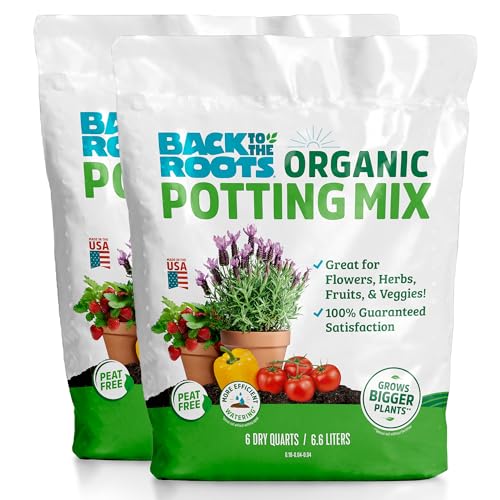
Overview: This peat-free mix is made from upcycled plant matter and wood fines from across the U.S., offering an organic option with a lighter carbon footprint. It’s a versatile all-purpose mix suitable for herbs, vegetables, fruits, and flowers in containers or raised beds. The formula includes moisture-control agents and pH-balancing materials to support varied plant needs.
Key considerations: Peat-free and U.S.-made blends appeal to environmentally conscious gardeners. It’s particularly attractive for containers where sustainability matters, though some users may want to supplement with additional nutrients depending on crop demands.
Espoma Organic Raised Bed Mix (1.5 cu ft)

Overview: Espoma’s raised bed mix includes earthworm castings, alfalfa meal, kelp meal, and feather meal, with MYCO-TONE mycorrhizae to help seedlings and established plants. It is designed for vegetables and herbs in raised beds and outdoor containers, enhancing root growth and nutrient uptake in organic setups.
Key considerations: This blend emphasizes soil biology and biodiversity, making it suitable for gardeners who want a rich microbial environment. It may require supplemental amendments to address specific crop nutrient needs over a growing season.
Buying Guide: Key Purchase Considerations
What to look for when choosing a soil mix for container vegetables:
- Organic vs. conventional: If you prefer organic gardening, select OMRI-listed blends and avoid synthetic fertilizers. Blends with coconut coir or peat-free bases often appeal to sustainability-minded gardeners.
- Moisture management: Container plants require a balance of drainage and water retention. Look for mixes that incorporate moisture-holding components (like coir) without compacting.
- Nutrient delivery: Some mixes include slow- or quick-release fertilizers. Consider your preferred feeding cadence and whether you’ll amend with compost or organic amendments.
- pH and amendments: Certain herbs and vegetables prefer specific pH ranges. Some blends include lime or dolomitic limestone to help balance pH; others rely on mycorrhizae for nutrient uptake.
- Container size and plant type: For small containers, a lighter mix with good drainage is ideal. For larger beds, consider blends designed for raised beds or with earthworm castings for added fertility.
- Sustainability: Peat-free and locally produced blends reduce environmental impact. Evaluate the source materials (coconut coir, compost, wood fines) and regional availability.
- Application guidelines: Read usage instructions for filling depth, pot volume, and recommended watering frequency. Some mixes feed plants for several months, reducing maintenance but requiring compatibility with your crops’ growth cycle.
In practice, gardeners often combine mixes or amend with compost, perlite for drainage, or vermiculite for aeration to tailor a blend to their specific vegetables. Start with a tested base mix for containers, then adjust with plant-specific nutrients and watering routines to maximize yields and plant health.