Find the right soil moisture meter to keep indoor plants hydrated without overwatering. This guide focuses on meters that reach deeper root zones, are easy to read, and require minimal maintenance. It’s ideal for homeowners with potted plants, small indoor gardens, or beginners who want simple, actionable readings. The top picks below are best for different plant types and pot sizes, from compact succulents to rooted tropicals.
| Product | Best For | Why It Stands Out |
|---|---|---|
| XLUX Long Probe Deep Use Soil Moisture Meter (B099R6BQHB) | Large pots and deep-rooted plants | 5.5-inch probe reaches deep, quick readings; clear three-zone dial |
| XLUX Soil Moisture Meter (B014MJ8J2U) | New and seasoned gardeners seeking reliability | Trusted since 2015 with clear 10-scale dial and no batteries |
| YAMRON 4-in-1 Soil Moisture Meter | All-in-one testing (moisture, pH, temperature, light) | Backlit LCD display for day or night use; multifunction |
| Antonki 2 Pack Soil Moisture Meter | Budget-conscious buyers with multiple pots | Two meters in one pack; color-coded dial for quick read |
| Censinda Soil Moisture Meter | No-battery, simple irrigation planning | No power needed; fast, on-the-spot moisture reading |
XLUX Long Probe Deep Use Soil Moisture Meter

The XLUX Long Probe Deep Use Meter is designed for deep pots where root zones matter most. Its 5.5-inch probe extends beyond surface readings, giving a more accurate sense of whether soil at the bottom is dry, moist, or wet. The large dial with ten scales and three zones is easy to interpret at a glance, ideal for beginners and experienced gardeners alike. Best for homeowners with deep pots or planters where surface readings can be misleading.
Best for: gardeners with large pots or deep-rooted plants who want quick, actionable readings without battery needs. The meter provides immediate results once inserted, helping you decide when to water. Caution: do not leave the metal tip in soil for extended periods to prevent corrosion.
XLUX Soil Moisture Meter (Since 2015)
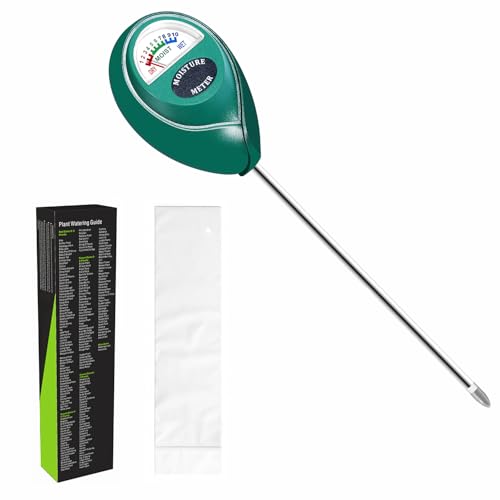
XLUX’s classic model emphasizes reliability and simplicity. Since 2015, its probe reaches the root zone for accurate moisture readings without batteries. The large color-coded dial shows ten scales (Dry–Moist–Wet), helping gardeners know precisely when to water various plants—from tropical foliage to succulents. The meter’s enduring design has earned broad trust for routine indoor care. Best for: new and veteran plant lovers seeking a straightforward, dependable hygrometer that works across many species.
Limitation: while battery-free, the device is manual and may require occasional cleaning to maintain responsiveness, especially in dense soils.
XLUX Long Probe Deep Use Sensor (2 Pack)

This 2-pack extends the same deep-reading capability as the single XLUX meter, making it economical for households with several pots. The dual-meter option supports simultaneous readings in different locations, which is convenient for rotating watering schedules across a collection. Best for: households with multiple indoor plants or containers that require consistent upkeep across several zones. Caution: like other metal-tipped meters, avoid extended soil contact to minimize tip corrosion.
YAMRON 4-in-1 Soil Moisture Meter

The YAMRON 4-in-1 meter adds pH, temperature, and sunlight readings to the moisture reading, all presented on a backlit LCD. This makes it useful for growing conditions where light exposure and soil chemistry matter as much as moisture. It uses an updated probe technology for faster readings and is powered by standard batteries. Best for: gardeners who want more context than moisture alone to optimize watering and overall plant health.
Limitation: it requires AAA batteries (not included), and readings can be slightly more complex for casual users who only need moisture data.
Antonki 2 Pack Soil Moisture Meter

The Antonki meters provide two units in one package with a color-coded dial (red for dry, green for moist, blue for wet) and ten scales. They offer instant readings with a straightforward use process, making them suitable for beginners and busy households. Best for: households that want to monitor moisture across several plants without complexity. Caution: readings may vary slightly with soil texture; ensure full soil contact for accurate results.
Censinda Soil Moisture Meter
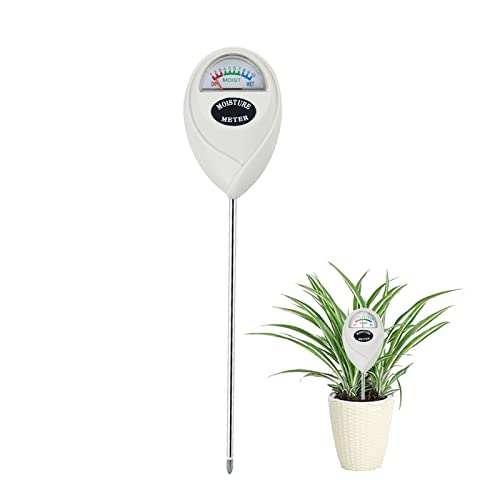
The Censinda meter emphasizes no-battery operation, delivering a fast, simple reading by inserting the probe into the soil. It’s an excellent choice for those who want a quick check without the need to replace batteries or recharge. Best for: budget-conscious buyers who prefer a low-maintenance, dependable moisture check for routine plant care. Limitation: no battery features means fewer advanced functions; best used for straightforward moisture assessment rather than multi-parameter analysis.
Buying Guide: Key Considerations for Choosing a Soil Moisture Meter
- Depth of reading: For taller pots, look for longer probes (5 inches or more) to reach the root zone.
- Reading type: Analog dials are quick and intuitive; digital meters offer more data but may require batteries.
- Number of meters: If you have several plants, consider a pack or multi-function device to monitor multiple zones.
- Maintenance: Battery-free meters reduce upkeep, but metal tips may corrode if left in soil too long.
- Soil type considerations: Dense soils drain differently; ensure you compare readings across potting mixes to calibrate watering schedules.
- Overall plant needs: Tropical plants with high moisture needs may benefit from deeper readings, while succulents may require stricter dry periods.
Frequently Asked Questions
- How do I know which meter is best for my plants?
– Choose based on pot size (depth), the number of plants, and whether you want extra data like pH or light. - Do I need batteries for these meters?
– Some meters are battery-free and provide immediate readings; others may require batteries for digital displays. - How often should I check soil moisture?
– Check when you repot or when you notice leaves drooping or soil feeling dry at the surface. - Can these meters prevent overwatering?
– Yes, by indicating when soil is wet, moist, or dry, helping you time watering more precisely. - Is a deeper probe always better?
– A deeper probe helps with larger pots and root-depth accuracy, but for small pots, a standard depth may suffice.