Answering your search intent directly: these soil moisture sensors help you automate irrigation by providing accurate, real-time soil data. They’re best suited for gardeners, small farms, and smart-home enthusiasts who want to prevent overwatering, save water, and keep plants healthy. The following picks cover wireless, Bluetooth, Zigbee-based, and LCD-display options to fit different setups and hubs.
| Product | Best For | Key Benefit |
|---|---|---|
| ECOWITT WH51 | Home gardeners with Ecowitt gateway | Fast read, cloud-friendly via Ecowitt gateway |
| THIRDREALITY Gen2 3Pack | Advanced smart homes with Zigbee hub | Stronger, more stable wireless readings |
| ECOWITT WH51L | Deeper soil monitoring with LCD | Depth measurement up to ~80 cm with LCD |
| XLUX Long Probe Meter (2 Pack) | Default, quick soil surface check | Immediate readings from deep pots or beds |
| Vodeson 4-in-1 Wireless (12 zones) | Large gardens with multi-zone control | 12 zones, clear alerts, comprehensive data |
Note: Each product link opens the Amazon listing for reference. Choose a sensor that matches your hub ecosystem (Ecowitt, Zigbee, or standalone) and the depth you need for accurate irrigation decisions.
ECOWITT WH51 Soil Moisture Sensor

Best for Ecowitt ecosystems that rely on GW1000 or GW1100 gateways. This sensor delivers soil moisture data in under 72 seconds once fully inserted, and real-time readings can be viewed via WS View Plus or the Ecowitt app after Wi-Fi configuration. It supports pairing with multiple Ecowitt gateways and consoles, and can upload data to the Ecowitt weather server for historical graphs and email alerts. The device is ideal for homeowners who already use Ecowitt hardware and want multi-sensor monitoring across zones. Caution: This model is sold as an accessory and requires compatible gateway to relay data.
- Best for: Ecowitt gateway users needing quick, reliable soil data.
- Why selected: Strong ecosystem integration and cloud-based data access.
- Limitation: Requires GW1000/GW1100 gateway (sold separately) for full functionality.
THIRDREALITY Smart Soil Moisture Sensor Gen2 3Pack
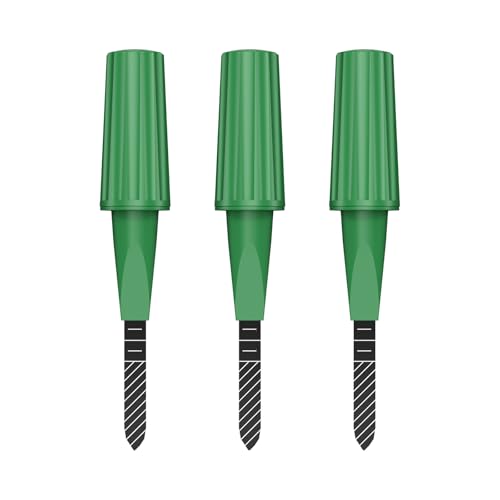
Best for Zigbee-enabled smart homes seeking stable, color-stable moisture readings. Gen2 sensors use capacitive moisture monitoring for durability in various soils and are designed for stronger wireless performance when paired with a Zigbee 3.0 hub. They work with popular hubs like Hubitat, SmartThings, Home Assistant, and more. Choose this if you already have a Zigbee hub and want reliable multi-sensor coverage. Caution: A Zigbee hub is required to operate; without a hub, device functionality is limited.
- Best for: Zigbee-equipped homes needing multiple, stable sensors.
- Why selected: Improved wireless performance and durable capacitive sensing.
- Limitation: Requires a Zigbee hub for operation.
ECOWITT WH51L Soil Moisture Sensor

Best for deeper measurement and on-site display. The WH51L adds a 1m/3.28ft PVC wire probe and an LCD that shows real-time readings. It can stream data via a Ecowitt gateway (sold separately) and can be viewed in the Ecowitt app after configuration. Differences from WH51 include deeper soil capability, IP68-rated probe protection, and an LCD for immediate visibility. Choose this if you need a wider depth read and visual display without pulling data from a separate display.
- Best for: Deeper soil monitoring with immediate on-device display.
- Why selected: Deeper reach plus LCD readability improves day-to-day checks.
- Limitation: Requires Ecowitt gateway to share data externally.
XLUX Long Probe Deep Use Soil Moisture Meter

Best for quick, local checks in large pots or deep garden beds. XLUX offers a 5.5-inch longer probe than typical meters, enabling measurements deep in soil. It features a large, easy-to-read dial with three zones and ten scales, providing immediate feedback on moisture status. It’s ideal for gardeners who want a simple, hands-on tool to decide when to water. Caution: Do not leave the meter in soil for extended periods to avoid corrosion of the metal tip.
- Best for: Deep pots and larger garden beds needing quick checks.
- Why selected: Long probe and clear dial simplify decisions on watering.
- Limitation: Manual, single-point readings; not a continuous data stream.
Vodeson 12-Zone Wireless Plant Moisture Meter

Best for larger outdoor spaces and raised beds needing centralized monitoring. The Vodeson system supports up to 12 wireless sensors connected to a single LCD display, with kits including four sensors and expansion options. It includes a threshold-based alert system to minimize overwatering and root rot. Choose this if you manage multiple beds or zones and want a single dashboard to manage irrigation decisions. Caution: Wireless range may vary by environment; ensure line-of-sight or acceptable obstruction levels.
- Best for: Medium to large gardens with many zones.
- Why selected: Expanded zone capability and centralized display.
- Limitation: Wireless range can be affected by obstructions.
Buying Guide: Practical Considerations for Soil Moisture Sensors
What type of sensor should I choose?
Consider whether you want a stand-alone meter (XLUX), a wet-soil, shielded probe with LCD (WH51L), or a multi-zone wireless system (Vodeson). Wireless systems are great for centralized monitoring across several beds, while stand-alone meters suit small pots or a single plant.
What hub or gateway do I need?
Some sensors require a gateway or hub to transmit data to an app or cloud. Ecowitt-based sensors work best with GW1000/ GW1100 gateways. Zigbee models need a Zigbee hub, like Hubitat or SmartThings. Stand-alone meters don’t require hubs but may offer limited remote monitoring.
Depth and soil type considerations
Deeper probes (like WH51L) capture moisture near the root zone, which is more relevant for irrigation timing. Capacitive sensors resist soil salinity and pH swings better than resistance-based probes, delivering more consistent readings in varied soils.
Data access and alerts
Decide if you want local display only, app-based dashboards, or cloud access with email or push alerts. Cloud access is convenient for remote monitoring, but ensure your gateway or hub supports the desired notification methods.
Maintenance and durability
Look for IP-rated probes, waterproof housings, and battery-free or long-life battery options. Some meters require occasional calibration or care to prevent corrosion of metal probes.
Budget and expansion potential
Multi-zone systems cost more upfront but reduce watering guesswork across larger areas. If you expect to add zones later, choose a scalable system (e.g., 12 zones) that fits your expansion plan.
FAQ
- Do I need a gateway to use these sensors?
Most wireless sensors require a gateway or hub to transmit data to an app or cloud. Stand-alone meters do not, but offer limited remote access. - Which sensor is best for deep root-zone monitoring?
The WH51L from ECOWITT provides a deeper probe with an LCD, making it well-suited for monitoring deeper root zones. - Can these sensors work without Wi-Fi?
Yes, some sensors can function with local displays and direct device-to-gateway connections. Ecowitt models can upload to their weather server when configured with a gateway. - Are capacitive sensors better than traditional probes?
Capacitive sensors tend to be less affected by soil salinity and pH, offering better durability and more stable readings in diverse soils. - How many sensors should I install?
Start with a sensor for each major zone or bed. Multi-zone systems like Vodeson support multiple sensors on a single display, which helps manage larger gardens efficiently. - What should I consider for pot plants?
A long-probe meter (like XLUX) is ideal for larger pots, while a shallow, quick-read sensor can work well for small containers.