Answering the common buyer question: which soil softeners or liquid lawn aerators help compacted soil, improve drainage, and boost grass health? This guide highlights five effective products and each shows who it’s best for, why it’s chosen, and any notable limitations. Ideal for homeowners dealing with clay soil, standing water, or poor drainage, these selections focus on non-mechanical solutions that can be applied to most warm- or cool-season grasses.
Summary table of selected products:
| Product | Best For | Key Benefit | Limitations |
|---|---|---|---|
| Liquid Soil Loosener — Simple Lawn Solutions | Compact or poorly drained lawns | Conditions compact soil and aids water infiltration | 32 oz covers up to 32,000 sq ft |
| Covington Liquid Lawn Aerator (32 oz) | Clay soils needing easier aeration | Loosens soil and improves nutrient uptake | Liquid concentrate; follow label directions |
| GS Plant Foods Soft Soil Liquid Aerator | Non-mechanical solution for all lawns | Loosens compacted soil and improves drainage | Limited data on coverage |
| LawnStar Liquid Lawn Aerator (32 oz) | Simple, quick alternative to core aeration | Deep soil conditioning and better water uptake | Concentration approach; watch for labeling |
| Covington Liquid Lawn Aerator (1 gallon) | Large lawns needing scalable solution | Loosens clay soil and enhances absorption | One gallon size; ensure even application |
Liquid Soil Loosener — Simple Lawn Solutions
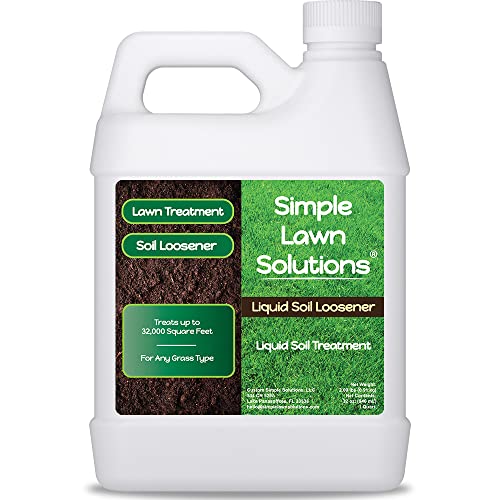
Best for compact soils and standing water, this liquid conditioner can be used alone or with aeration tools. It is designed to soften soil and improve the downward movement of water for better drainage and infiltration. The product is labeled as a concentrated solution, with coverage up to 32,000 square feet per 32-ounce bottle. Choose this if you want a straightforward, scalable option for broad lawns and you value integration with a nutrient program.
Who it’s for: homeowners seeking a non-mechanical way to reduce soil compaction and enhance drainage, especially in lawns with standing water after rain or irrigation. Limited by the need to reapply and possibly multiple applications for severe compaction.
Caution: follow application rates and wait times precisely to avoid over-application, which can lead to oversaturation in some soils.
Covington Liquid Lawn Aerator (32oz)

Best for clay soils and gardeners who want an easy alternative to core aeration, this liquid conditioner loosens compacted soil, improves water movement, and increases air circulation for root absorption. It emphasizes safety for pets and kids and relies on humic acids, amino acids, and kelp to feed beneficial microbes. Choose this when you want a non-mechanical option with a family-friendly profile and a focus on microbial health.
Who it’s for: homeowners with compact or clay-heavy lawns seeking a user-friendly, non-motorized soil treatment that enhances drainage and nutrient uptake without core aeration equipment. Limitation: results can vary with soil type and climate; it may require multiple applications for deep compaction.
Note: ensure even coverage across lawn areas and avoid pooling during application.
GS Plant Foods Soft Soil Liquid Aerator
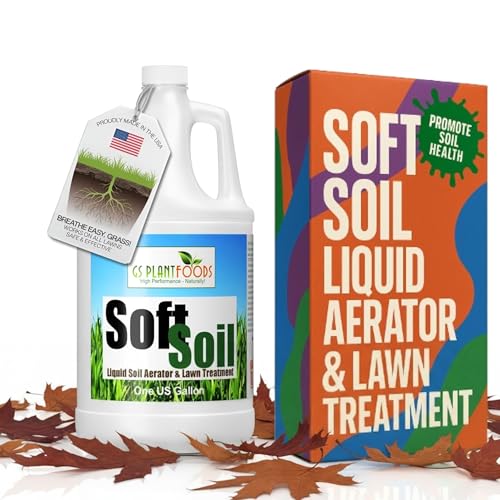
Best for a non-mechanical approach to compacted soils, this liquid aerator is designed to break apart compacted layers to improve water flow and root access. It markets a non-mechanical solution that can be used on various grass types. It’s a practical pick if you want a simple, spray-ready option without tools.
Who it’s for: homeowners who prefer a ready-to-use liquid treatment to improve soil aeration and drainage, regardless of grass type. Limitation: some users may need several applications for stubborn compaction, depending on soil conditions.
Caution: apply according to label directions to avoid uneven distribution or over-application in sensitive areas.
Liquid Lawn Aerator (32 fl oz) — LawnStar
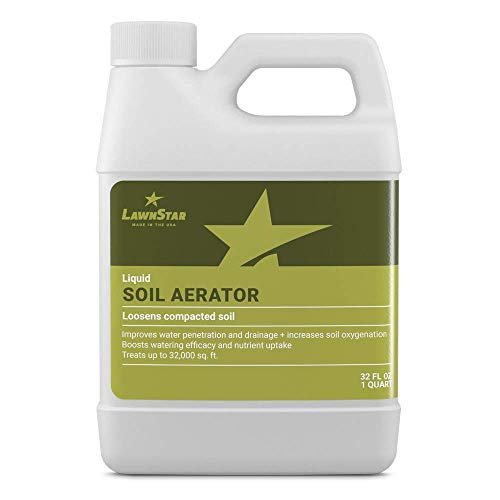
Best for those seeking an easy-to-use liquid alternative to core and mechanical aeration, this product focuses on loosening and conditioning compacted soil to improve water penetration and soil oxygenation. It emphasizes environmental friendliness and efficiency, making it a practical choice for quick improvements.
Who it’s for: homeowners wanting a time-saving alternative to traditional aeration methods, especially when you want faster application and broad coverage. Limitation: results may be gradual and influenced by soil makeup and climate.
Tip: combine with a regular fertilizer program for synergistic lawn health and growth.
Covington Liquid Lawn Aerator (1 gallon)

Best for large lawns that need scalable solutions, this one-gallon formulation targets deeply compacted soils and enhances water and nutrient absorption. The product highlights safety for pets and kids, and it uses humic acids and kelp to nourish beneficial soil microbes. Choose this if you want a larger volume with consistent performance over expansive turf areas.
Who it’s for: homeowners with big lawns or areas with severe compaction seeking a robust liquid aeration option. Limitation: applying evenly across a very large area requires careful spray technique to avoid over- or under-treatment.
Note: this product pairs well with regular mowing and fertilization schedules to maximize green-up after treatment.
Buying Guide: Key Considerations For Soil Softeners And Liquid Aerators
What to ask before buying: What soil type do I have? How severe is compaction? Do I prefer a non-mechanical solution, or is core aeration acceptable? Are there pets or children in the home? What area size needs treatment?
- Soil type compatibility: Clay soils benefit most from aeration aids that improve water movement and air flow. Silt and sandy soils may show quicker improvements but still benefit from conditioning products.
- Application method: Liquid formulations are easy to apply with a sprayer and require no equipment, while some brands offer concentrate options; follow label directions for coverage and frequency.
- Coverage and frequency: Larger lawns require bigger volumes or repeated applications. Check square footage coverage per bottle and recommended reapplication intervals.
- Safety and compatibility: Look for products formulated with humic acids, kelp, and beneficial microbes for healthier soil biology. Ensure products are safe for pets and children if that is a concern.
- Impact on nutrient programs: Choose products that complement fertilizer plans rather than interfere with nutrient uptake. Some products are designed to work alongside standard turf nutrition.
FAQs
- Do liquid soil aerators replace core aeration? They can reduce the need for frequent core aeration but may not fully replace it in severely compacted soils.
- How quickly will I see results? Improvements in drainage and infiltration can appear within weeks, but heavy compaction may require repeat applications.
- Are these safe for pets and kids? Most products emphasize safety, but always follow label directions and avoid contact with skin or eyes during application.
- Can I use these with fertilizer programs? Yes, many are designed to work alongside standard turf fertilization for better nutrient uptake.
- Which product is best for clay soil? Products that focus on loosening compacted clay and improving water movement, such as liquid aerators, are typically most effective.
- Do I need to water after applying? In many cases, a light watering after application helps distribute the product; check the product label for precise instructions.