Finding the right soil tester helps gardeners optimize pH, nutrients, moisture, and sunlight for healthy plants. The following selections cover quick at-home tests, mail-in professional analyses, and multi-function meters suitable for lawns, gardens, and containers. Each product is chosen for reliability, ease of use, and clear readouts to support informed planting decisions.
| Product | Best For | Notes |
|---|---|---|
| Rapitest Soil Test Kit | Quick at-home pH and nutrient checks | Color comparators; 20 tests included |
| MySoil Soil Test Kit | Comprehensive lab-grade analysis | 13 nutrient levels; 6-8 day results via mail-in |
| YAMRON 4-in-1 Soil Moisture Meter | Immediate on-site readings | Moisture, pH, temperature, and sunlight |
| AiGerdinn 2-in-1 Soil Test Kit | Beginner-friendly dual-dial meter | No batteries; dual readouts |
| TryOpen 7-in-1 Soil Test Kit | All-in-one monitoring | Moisture, pH, fertility, light, temperature, humidity |
Note: This article focuses on consumer-grade options suitable for American gardens, ranging from simple quick tests to more detailed analyses. Each product is evaluated on readability of results, ease of use, and how well it supports garden decision-making.
Rapitest Soil Test Kit for Gardens
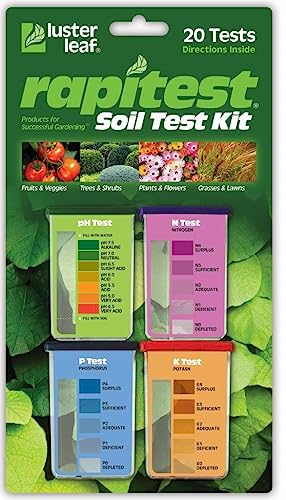
The Rapitest kit from Luster Leaf provides quick at-home results for soil pH and primary nutrients: Nitrogen, Phosphorus, and Potash. The kit uses an easy-to-use capsule system with patented color comparators and includes enough components for 20 tests (5 tests for each variable). It’s designed for gardens, lawns, vegetables, and flowering beds, delivering practical guidance for home gardeners who want to test multiple soil spots without professional help. This kit emphasizes affordability and straightforward interpretation through a color-based system, making it suitable for beginners and hobbyist gardeners.
MySoil Soil Test Kit
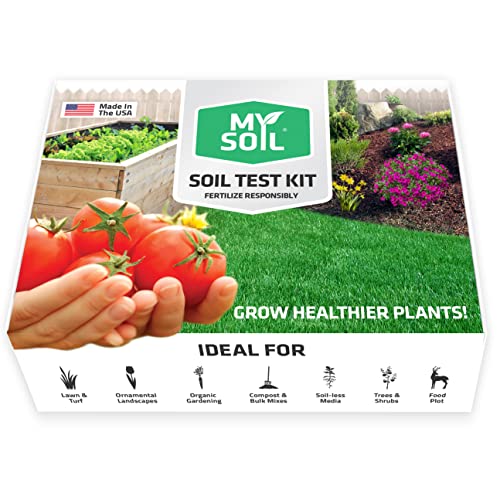
MySoil offers a professional-grade approach to soil analysis with mail-in lab processing. It measures 13 plant-available nutrient levels, including nitrogen and pH, and provides tailored recommendations based on your soil and plant needs. Results typically come back in 6-8 days, supporting a wide range of growing scenarios such as lawns, vegetables, flowers, compost, and ornamental landscapes. This option appeals to gardeners seeking precision beyond at-home test kits and planning long-term soil improvements or specialized crop needs.
YAMRON 4-in-1 Soil Moisture Meter

YAMRON’s 4-in-1 meter measures soil moisture, pH, temperature, and sunlight with a large backlit LCD. It helps gardeners decide when to water, adjust soil acidity, and ensure adequate light for plant growth. The meter uses a single probe and a backlit display for easy readings in daylight or darkness. It runs on AAA batteries (not included) and provides quick feedback that supports timely watering and plant care decisions for diverse outdoor and indoor setups.
TryOpen 7-in-1 Soil Test Kit

TryOpen presents a seven-function soil testing kit that includes moisture, pH, fertility, sunlight, soil temperature, air temperature, and humidity readings. The LCD display provides a comprehensive view of both soil and environmental conditions, helping gardeners maintain optimal growing environments. The unit features a patented US design and robust metal probes for durability and accurate readings. It is positioned as a mid-range option for gardeners who want broad data without paying for professional lab services.
AiGerdinn 2-in-1 Soil Test Kit

The AiGerdinn kit features a dual-dial design that simultaneously displays soil moisture and pH, designed for beginners and experienced gardeners alike. It does not require batteries, simplifying on-site testing, and uses sturdy metal materials to minimize root damage during insertion. The dual-screen setup allows quick, at-a-glance readings, making it a practical choice for routine monitoring of home garden beds and potted plants.
Raintrip Soil Moisture Meter (4-in-1)

Raintrip’s 4-in-1 meter combines moisture, pH, nutrients, and light readings in a single device. It emphasizes cost-effectiveness by replacing multiple single-function meters with one unit. The single-probe design minimizes root disturbance while delivering actionable data about plant water needs and soil conditions. Aimed at home gardeners and hobbyists, it provides a balanced mix of value and practicality for ongoing plant care.
Buying Guide: Key Purchase Considerations
- Purpose and scope: Choose a tester that matches your goals—quick in-garden checks, comprehensive lab analysis, or multi-parameter monitoring.
- Readout type: Color comparator kits are easy for beginners, while digital meters with LCDs provide precise values. Consider backlighting for readability in low light.
- Number of parameters: Basic kits cover pH and select nutrients; multi-function meters expand to moisture, light, temperature, and fertility. Decide how many metrics you need.
- Ease of use: Look for simple insertion, clear results, and minimal maintenance. No batteries can be appealing for simplicity, while digital meters may require battery changes.
- Durability and maintenance: Probes should be robust and minimally invasive to plant roots. Metal probes tend to be longer-lasting but ensure proper care to avoid contamination.
- Turnaround time: If you need quick decisions, in-home tests are faster; mail-in lab tests provide broader nutrient panels but take several days.
- Garden setup compatibility: Consider beds, containers, lawns, and hydroponic systems. Some meters work better in dry soils; others require moisture for accurate readings.
- Costs and components: Factor in replacement parts, test strips, or reagent capsules. Multi-test kits may offer better long-term value for active gardeners.
When selecting a soil tester, balance speed, breadth of data, and ease of interpretation. For ongoing garden planning, a combination of a quick in-ground tester for regular checks and a professional lab option for detailed nutrient profiling can provide the most actionable guidance. Always follow manufacturer instructions to ensure accurate readings and to protect plant roots during testing.