The best soilless potting mixes for indoor plants prioritize drainage, aeration, and a clean, pest-resistant profile. This guide highlights five top options, suitable for a range of houseplants from Monstera to Philodendron. Each entry covers who benefits most, why it was selected, and practical cautions to consider before you buy.
| Product | Best For | Why It Stands Out |
|---|---|---|
| Molly’s Aroid Mix – 10 Dry Quarts | Larger containers, frequent waterers, moisture-sensitive species | Heavy drainage, chunky texture, strong aeration for rapid root growth |
| Molly’s Aroid Mix – 5 Dry Quarts | Smaller spaces, starter plants, space-saving setups | Same clean, soil-free formula in a compact size |
| Miracle-Gro Indoor Potting Mix (6 qt, 2-pack) | All-purpose houseplants, herbs, flowering plants | Balanced blend with quick-release formula for overall growth |
| Miracle-Gro Organic Indoor Potting Mix (16 qt) | Organic preference, moisture control for varied plants | OMRI-listed, moisture regulation features for indoor use |
| Forbidden Cereal Aroid Potting Mix (6.5 qt) | Chunky, well-draining soils for monsteras, hoyas, and tropicals | High-drain, peat-free blend with multiple organic amendments |
Molly’s Aroid Mix – 10 Dry Quarts
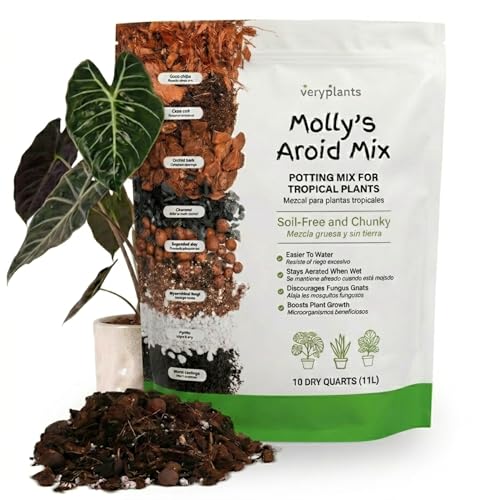
Best for larger containers and moisture-tolerant indoor plants, Molly’s Aroid Mix 10 Dry Quarts uses a chunky, well-aerated formula that drains quickly and resists over-watering. The mix includes bark, coco chips, worm castings, and mycorrhizae to support root development and nutrient uptake. It’s a soil-free option designed to minimize gnats and soil-borne pests compared with traditional potting soil.
Who it’s for: plant owners seeking robust drainage and a cleaner alternative to soil-based mixes, especially for aroids, pothos, and similar plants. Why chosen: excellent aeration reduces root rot risk and supports healthy growth in containers.
Caution: Despite strong drainage, avoid very small containers for thirsty plants; adjust watering to plant needs and container size.
Molly’s Aroid Mix – 5 Dry Quarts

This smaller bag preserves the same clean, soil-free mix with excellent drainage and low over-watering risk, making it a strong option for compact spaces or starter plants. It is best for beginners or those with limited space who still want a reliable, well-draining potting medium.
Who it’s for: readers who need a compact, easy-to-handle mix for small planters or windowsill setups. Why chosen: identical formulation in a space-saving size; ideal for trial runs or multi-plant arrangements.
Caution: The smaller bag can run out quickly for larger collection needs; plan replacements to maintain consistent texture.
Miracle-Gro Indoor Potting Mix (6 qt, 2-Pack)
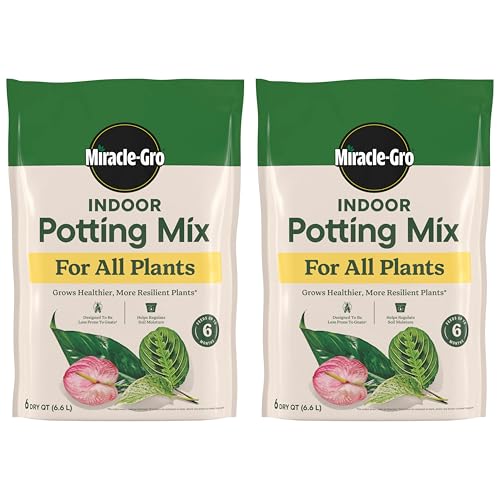
Best for general purpose indoor plants, this Miracle-Gro option provides a widely blended mix with water retention and release properties. It is formulated to support a variety of houseplants, including herbs and flowering plants, and helps reduce pests associated with soil-based media.
Who it’s for: households seeking a versatile, ready-to-use mix for mixed plant collections. Why chosen: two-pack convenience, uniform texture, and a broad suitability range.
Caution: Data notes indicate it does not contain bark, which can alter drainage characteristics compared with chunkier mixes; monitor moisture accordingly.
Miracle-Gro Organic Indoor Potting Mix (16 qt)

Best for organic-focused setups, this mix is OMRI-listed and designed to regulate moisture while supporting a broad range of indoor container plants. It combines peat alternatives with coir and a starter fertilizer to help plants establish roots and thrive indoors.
Who it’s for: gardeners prioritizing organic inputs and ongoing moisture control. Why chosen: organic certification plus a moisture-regulating profile helps reduce both overwatering and underwatering risks.
Caution: Some users may prefer mixes with more aeration or chunkiness; for very fast-draining needs, pair with a top-dressing or adjust watering schedule.
Forbidden Cereal Aroid Potting Mix 6.5 Qt

Best for bold, chunky drainage, this mix is designed to support monsters, hoyas, and other tropicals that benefit from high air-filled porosity. It uses eight organic amendments, including orchid bark and biochar, to encourage strong roots and rapid drainage.
Who it’s for: plant owners dealing with frequent overwatering or root rot risk in large tropical species. Why chosen: extreme chunkiness and biochar enhance drainage and aeration. Caution: its pronounced texture may feel too airy for very small pots or low-water plants.
Back to the Roots 100% Organic Indoor Potting Mix (6 Quart)
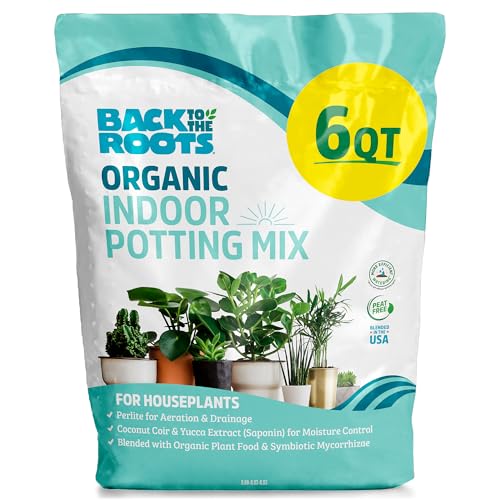
Best for general indoor use with a focus on organic and peat-free formulations, this mix includes root-boosting mycorrhizae to support nutrient uptake and healthy root systems. It’s designed to reduce environmental impact while promoting steady growth.
Who it’s for: buyers seeking an organic, peat-free option with natural root enhancement. Why chosen: simple, broad compatibility with many houseplants and a responsible ingredient profile. Caution: may have different drainage depending on container size and plant water needs.
Buying Guide: Soilless Mixes For Indoor Plants
What to look for when choosing a soilless mix
Drainage and aeration are key. Look for chunky components (bark, coco, chips) and a structure that won’t compact. If you water aggressively, choose mixes marketed as fast-draining or designed for aroids and tropicals.
Organic vs. synthetic blends
Organic blends (peat-free or OMRI-listed) can appeal to eco-conscious buyers, but may have longer-lasting substrates that affect texture over time. Synthetic or balanced mixes can offer predictable performance and consistent moisture behavior.
Plants and container size considerations
Larger planters benefit from chunkier mixes for better drainage. Very small pots may require more frequent watering or a finer texture to prevent rapid drying. Match bag size to your plant collection to avoid inconsistent texture in the root zone.
Gnat resistance and soil-free advantages
Soilless mixes reduce pest exposure from soil. If gnats are a concern, soil-free options can help, but ensure you monitor moisture and hygiene in watering practices to prevent other pests.
Maintenance and longevity
Some mixes include mycorrhizae or worm castings for longer-term root health; others are simpler and may require repotting sooner. Consider your plant turnover, space, and willingness to refresh medium over time.
FAQ
- What is soilless potting mix? A growing medium that uses bark, coco coir, perlite, and other aerated ingredients instead of traditional soil to improve drainage and root health.
- Are soilless mixes good for all indoor plants? They suit many houseplants, especially those sensitive to overwatering, like Monstera and Philodendron. Some plants may benefit from added nutrients or a top-dressing depending on the mix.
- Do organic potting mixes prevent pests? Organic and peat-free options can reduce certain soil-borne pests, but proper watering and sanitation remain essential to minimize pests.
- How often should I repot with soilless mix? It depends on plant growth and container space. Generally, repotting every 1–2 years keeps roots healthy and prevents compaction.
- Can I mix two different potting mixes? Yes. For example, combine a chunky, fast-draining mix with a moisture-retentive one to tailor texture to specific plants and seasons.
- Is there an advantage to organic vs. non-organic mixes? Organic blends offer sustainability and soil-health features, while non-organic blends can provide more predictable moisture behavior for a wider range of plants.