Answering the question for fruit-tree caretakers: the best sprayers for fruit trees combine strong coverage, comfortable wear, and adjustable output to minimize chemical use while maximizing disease and pest control. This guide highlights five reliable options suited to home orchards and small farms. Each product is chosen for its ability to reach canopy surfaces, handle liquid concentrates, and deliver consistent spray patterns. Whether you’re treating apples, citrus, or stone fruits, these sprayers cover different budgets and user preferences.
| Product | Best For | Capacity | Key Benefit |
|---|---|---|---|
| FIELD KING 190328 Backpack Sprayer | All-around orchard use, safety-conscious applicants | 4 Gallon | Internal No Leak Pump with 150 PSI for powerful coverage |
| Chapin 20541 Pump Sprayer | Precise application in home gardens | 1 Gallon | Foaming nozzle shows where product is applied |
| PetraTools HD4000 Battery Backpack Sprayer | Large-scale, long sessions outdoors | 4 Gallon | Long battery life and padded ergonomics |
| Bonide Captain Jack’s Fruit Tree Spray | Organic or mixed-fruit-tree disease and pest control | 32 oz concentrate | Disease and insect control for multiple fruit types |
| VIVOSUN 1.35-Gallon Pump Sprayer | Compact, lightweight option for small trees | 1.35 Gallon | Adjustable nozzle with safety features |
FIELD KING 190328 Backpack Sprayer
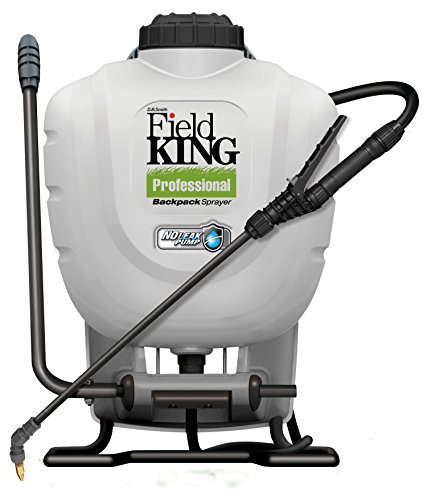
The Field King 190328 offers a 4-gallon capacity with an internal no-leak piston pump design and up to 150 PSI. The 21-inch poly wand with Viton seals supports both wettable powders and liquids, making it versatile for orchard treatments. Best for serious fruit-tree care where long spraying sessions and high-coverage are required. Choose this if you need a durable, all-purpose backpack sprayer that reduces chemical drips and back-soak risk.
Who it’s best for: professional hobbyists and small orchard operators who need consistent, high-pressure spraying across a wide canopy. Why selected: its integrated safety features and robust components improve reliability during repeated applications. Caution: heavier to carry for extended periods; consider strap padding and technique to reduce fatigue.
Chapin 20541 Pump Sprayer

The Chapin 20541 is a 1-gallon translucent tank sprayer with a foaming nozzle, adjustable nozzles, and anti-clog filter. The translucent tank helps monitor fluid levels at a glance, supporting precise dosing in small-to-medium fruit trees. Best for home gardens or smaller orchards where precise, visible application matters. Choose this if you prioritize ease of use and clear visualization of spray coverage. Caution: smaller capacity means more refills for large trees.
2 Gallon Battery Powered Garden Sprayer (Giftsfaloy)

This 2-gallon electric sprayer uses a USB-rechargeable handle and includes three nozzles. It provides convenient, hands-free spraying with a 2200mAh battery capable of several hours of operation. Best for hobbyists and homeowners who want to reduce pumping effort and spray at varying intensities. Choose this if you prefer light, portable use for smaller fruit trees or integrated garden tasks. Caution: performance depends on battery health; ensure full charge before large tasks.
VIVOSUN 1.35-Gallon Pump Sprayer

The VIVOSUN model offers a compact 1.35-gallon capacity with adjustable nozzle settings and a long wand + hose for extended reach. Best for small fruit trees or container setups where maneuverability is key. It includes a safety valve and locking trigger for better control during long sessions. Choose this if you want a lightweight option with adjustable spray patterns. Limitation: smaller tank means more frequent refills for larger trees.
Bonide Captain Jack’s Fruit Tree Spray

Captain Jack’s Fruit Tree Spray is a 32-ounce concentrate designed for organic gardening. It targets a range of fruit trees with disease and insect control claims, helping to manage powdery mildew, blight, and common insects. Best for organic-minded growers or those who favor integrated pest management. Choose this if you want a ready-to-mix concentrate that covers multiple fruit varieties. Caution: always follow label directions for tree-specific use and concentrations.
Buying Guide
- Capacity vs. canopy size: Larger trees benefit from bigger tanks (3-4 gallons) to minimize refilling. For smaller trees, 1-2 gallon sprayers are typically sufficient.
- Spray pattern and nozzle options: Adjustable nozzles and foaming or mist settings improve coverage accuracy and reduce chemical waste. Look for models with multiple spray modes.
- Power source: Electric and battery-powered sprayers reduce pumping effort but require charging downtime. Consider battery life for long spraying sessions.
- Ergonomics and fit: Lightweight designs, padded straps, and back support increase comfort during extended use. Ergonomic handles help limit fatigue and wrist strain.
- Material compatibility: Viton seals and corrosion-resistant components are important for handling wettable powders and chemical concentrates used in fruit-tree care.
- Maintenance and durability: Internal components, seals, and filters affect longevity. Choose models with easily accessible parts and simple cleaning routines.
Frequently Asked Questions
- What size sprayer is best for fruit trees? Larger trees benefit from 3-4 gallon backpacks, while small trees can be managed with 1-2 gallon units.
- Can I use organic sprays with these sprayers? Yes. Many models support organic and conventional products; always check label recommendations for each product.
- How do I prevent clogging in sprayers? Use anti-clog filters when available and clean the nozzle after use. Rinse and store according to manufacturer guidelines.
- Is a battery-powered sprayer better than a manual one? Battery-powered sprayers reduce hand fatigue and allow longer spraying sessions, especially for larger trees.
- What maintenance is needed for pump sprayers? Periodically inspect seals, hoses, and filters. Replace worn parts to maintain consistent pressure and spray quality.
- Are there safety considerations when spraying fruit trees? Always follow label directions, wear appropriate PPE, and avoid spraying during adverse weather or when pollinators are active.