Answering your search for reliable sprouting trays, this guide highlights top soil-free microgreens kits that help beginners and busy cooks grow fresh greens at home. Each option is chosen for practicality, ease of use, and clear drainage and airflow. Best for small kitchens, beginner gardeners, or those who want a quick, soil-free harvest without fuss.
Summary table of selected products:
- Legigo 5 Pack Seed Sprouter Trays with Lids
- SUNPRO 2-Pack Seed Sprouter Tray with Humidity Lid
- Amarys Hearth 2 Pack Stainless Steel Seed Sprouter Trays
- Legigo 10 Pack Green Seed Sprouter Trays
- FELISTORY 6 Pack Green Seed Sprouter Trays with Lid
Legigo 5 Pack Seed Sprouter Trays with Lids
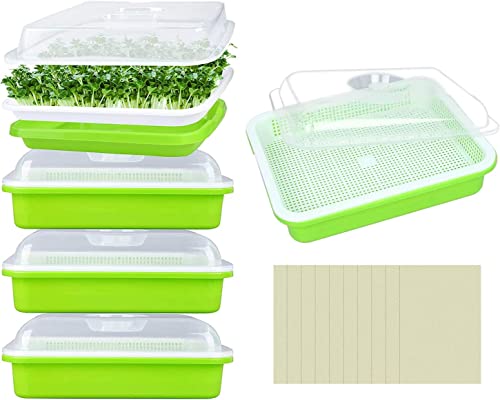
Best for: Small households or first-time microgreens growers who want a compact, lid-covered system. These trays include 5 units with 10 planting papers, designed for soil-free cultivation and easy water-based sprouting. The clear lid helps maintain humidity for better germination, while the dense holes on the grid promote drainage and root development. Suitable for sprouts, wheatgrass, beans, and more. Caution: Choose this if you prefer a basic, low-cost kit with lids; performance depends on consistent watering and ventilation.
SUNPRO 2-Pack Seed Sprouter Tray
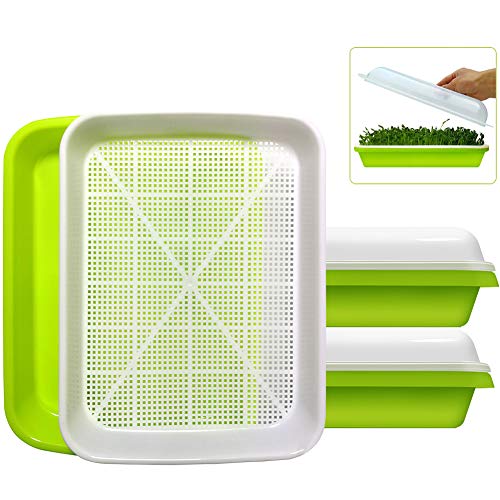
Best for: Home cooks seeking a larger capacity, dual-layer sprouting system with reliable airflow. The two trays are designed to separate seeds from stagnant water, reducing root rot and promoting steady germination. The set includes a humidity-friendly lid and a clear guide for beginners. Caution: Best results come with strict adherence to the provided steps; organic or farm-sourced seeds should be thoroughly rinsed before use.
Amarys Hearth 2 Pack Stainless Steel Seed Sprouter Trays

Best for: Those who prefer durable, rust-free hardware with easy cleaning. This 2-tier stainless steel kit uses mesh pads for smaller seeds and a robust base tray for better drainage. It suits serious indoor growers who want long-lasting gear and a sleek, dishwasher-safe setup. Caution: Steel trays may heat more quickly in bright light; place away from direct heat sources to avoid overheating small seeds.
Legigo 10 Pack Green Seed Sprouter Trays

Best for: Medium to larger households or those expanding a microgreens setup. This kit provides 10 sprout trays with planting papers, offering ample capacity for ongoing harvests. The design emphasizes easy removal of the inner mesh tray and a transparent lid for monitoring growth. Caution: The larger footprint requires adequate storage space; ensure proper stacking when not in use.
FELISTORY 6 Pack Green Seed Sprouter Trays with Lid

Best for: A balanced option with six trays and lids for reliable humidity control and organized cultivation. The kit includes planting papers and labels, aiming at tidy, repeatable cycles from soaking to harvest. Caution: Some users may prefer a more modular lid system if planning frequent reconfiguration of their setup.
Buying Guide
What matters most when choosing sprouting trays for microgreens?
- Material: Food-grade plastic vs. stainless steel. Plastic is lightweight and affordable, while stainless steel lasts longer and resists odor transfer.
- Drainage and airflow: Look for raised grids, concave-convex patterns, or encrypted mesh to prevent root rot and ensure even germination.
- Lid design: Lids that maintain humidity without sealing too tightly help seeds sprout faster. Transparent lids allow quick monitoring.
- Size and capacity: Match the number of trays to your kitchen space and desired harvest frequency. Larger sets suit ongoing production; smaller sets fit tight spaces.
- Cleaning and versatility: Dishwasher-safe options save time. Removable mesh pads and bottom trays simplify maintenance.
- Ease of use: Step-by-step guides or included planting papers help beginners avoid common mistakes like overwatering or crowding seeds.
Frequently Asked Questions
- What are the advantages of soil-free sprouting trays?
- How many trays should a beginner start with?
- Do I need lids on all sprouting trays?
- Which material is best for long-term use?
- Can these trays prevent mold and root rot?
- Are there any maintenance tips for best results?
Soil-free trays reduce mess and make cleanup easier. They focus on water-based germination, which can speed up sprouting and minimize mold when used with proper drainage.
A beginner can start with 2–4 trays to learn watering schedules, lighting needs, and harvest timing before expanding the setup.
Lids help preserve humidity in the early germination stage, especially for seeds that require stable moisture. They are less critical once sprouts begin to form.
Stainless steel trays offer superior durability and avoid plastic odor transfer, but plastic options can be adequate for casual, occasional use and are more budget-friendly.
Yes, when paired with proper drainage, airflow, and not letting seeds sit in standing water, these trays reduce mold risk and promote healthier sprouts.
Rinse seeds before soaking, maintain consistent watering without oversaturation, rotate trays for uniform light exposure, and clean trays between cycles to prevent residue buildup.