Protect your garden from determined squirrels with reliable, safe deterrents. This guide reviews five proven options designed to deter squirrels while staying pet- and plant-friendly. Each product leverages scents, physical decoys, or acoustic/visual cues to reduce nibbling and nesting. Use the summary table below to quickly compare features, effectiveness, and coverage areas. The selections emphasize longevity, ease of use, and safety for households with children and pets.
| Product | Brand | Estimated Coverage | Key Benefit |
|---|---|---|---|
| CONKAT Squirrel Repellent Outdoor, 8P | CONKAT | 120 sq ft | Natural plant-based formula, safe around people & pets |
| Squirrel Repellent Outdoor, 10P | KQCWKH | 3 months’ protection per usage | Plant-based scent barrier, easy placement |
| AUDQQM Squirrel Repellent Outdoor, 8P | AUDQQM | 120 sq ft | Long-lasting peppermint-based protection |
| Owl Decoys to Scare Birds & Squirrels | HiAnifri | Outdoor/indoor use | 360° rotating head for lifelike motion |
| Zekrio Mouse And Squirrel Repellent Pouches, 10 packs | Zekrio | Varies by placement | Plant-based and humane rodent deterrent |
CONKAT Squirrel Repellent Outdoor

The CONKAT Squirrel Repellent uses natural plant ingredients to deter squirrels from gardens, bird feeders, attics, or yards. It’s designed to be safe around children, pets, and plants when used per instructions, aligning with FIFRA 25(b) guidelines (EPA registration not required). With a protection window of about 60 to 90 days, this option reduces the frequency of reapplication, offering enduring peace of mind for busy households. The formula emphasizes a non-lethal approach to animal deterrence while minimizing risk to family members and greenery.
Squirrel Repellent Outdoor, 10P

From KQCWKH, this repellent combines a strong peppermint scent with a plant-based, long-lasting formula. It creates a scent barrier designed to deter squirrels and chipmunks from gardens, attics, bird feeders, and vehicles. The product claims about three months of protection and emphasizes no-mess ease: simply place the sachets where squirrels are active, such as pots, pumpkins, or indoor entry points. The approach focuses on repeating scent cues to discourage repeated visits without resorting to traps or poisons.
AUDQQM Squirrel Repellent Outdoor
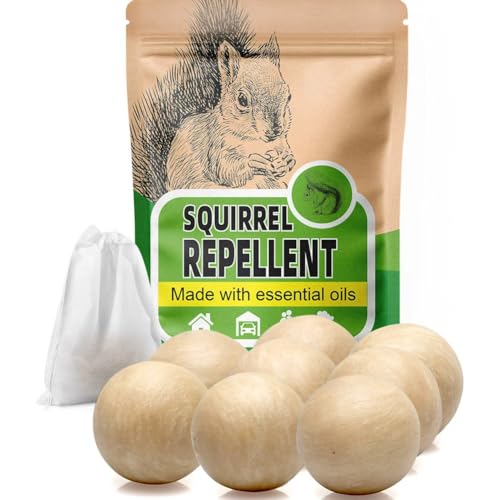
Audqqm’s peppermint-based repellent provides extended protection by emitting a strong scent that discourages squirrels from chewing and nesting around gardens, attics, and other high-activity zones. The product promotes easy use—place or hang the sachets where squirrel movement is observed. It aims to prevent damage to cars, engines, and outdoor structures by creating a persistent odor barrier. The approach is non-toxic and designed for consumers seeking a humane, plant-friendly deterrent with straightforward application steps.
Owl Decoys to Scare Birds & Squirrels Away
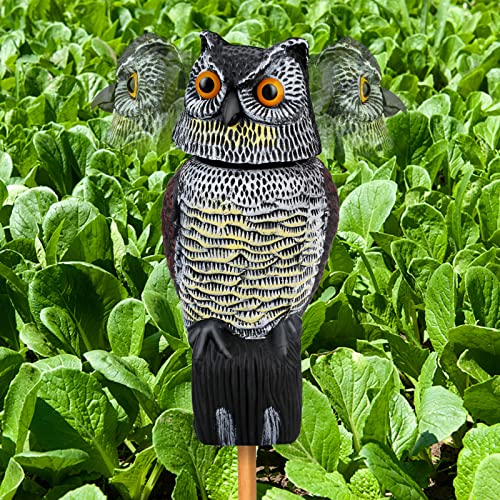
HiAnifri’s owl decoys offer a visual deterrent for birds and squirrels. The 360° rotating head provides lifelike motion that mimics a watching predator, potentially reducing visits from foragers. The decoy is designed for outdoor durability with weatherproof painting to withstand various seasons. While visual deterrents work best as part of a multi-layered strategy, consistent repositioning and complementary scents can enhance effectiveness against garden nibblers and feathered visitors alike.
Mouse And Squirrel Repellent Pouches, 10 Packs

Zekrio’s pouches deliver a natural, plant-based barrier to mice, rats, squirrels, and voles without traps or poisons. The all-natural formula relies on strong essential oil scents to deter rodents while remaining safe for humans and pets. Placing pouches around gardens, sheds, and vehicles helps protect stored items and outdoor wiring. For best results, position them in active areas and rotate locations periodically to prevent squirrels from acclimating to a single scent source.
Buying Guide
When selecting a squirrel deterrent for your garden, consider coverage area, duration of effectiveness, and safety for children and pets. Some products lean on strong scents (peppermint, plant-based blends) to form an invisible boundary that discourages visits, while others employ visual decoys or a combination of cues. Here are key purchase considerations:
- Coverage and reapplication schedule: Choose a product that matches your garden size and typical squirrel activity. Longer-lasting formulas reduce maintenance but verify whether outdoor exposure shortens effectiveness.
- Safety profile: Prioritize humane, plant-safe options that are labeled child- and pet-friendly. Read label directions to ensure safe usage around homes with kids or furry companions.
- Active ingredients: Plant-based ingredients, essential oils, and peppermint-based formulas are common. Respect any plant sensitivities and ensure compatibility with garden plants.
- Application method: Sachets, pouches, sprays, and decoys offer different ease-of-use. Consider weather exposure, stain risk, and whether you prefer a temporary or ongoing deterrent.
- Multi-sensory approach: For robust results, combine a scent-based deterrent with a visual decoy and routine site maintenance (e.g., securing bird feeders, sealing entry points).
- Longevity vs. reusability: Some options are single-season installations; others last months with periodic repositioning. Decide based on budget and yard layout.
- Environmental impact: Look for eco-friendly formulations that avoid harming wildlife beyond the targeted species and minimize chemical runoff into soil or water.
Choosing the right combination can yield better results than relying on a single method. For most American gardens, a mix of a scent-based repellent (for broad deterrence), a visual decoy (to disrupt direct access), and strategic placement near known entry points provides a balanced, humane approach. Always follow label instructions and re-evaluate effectiveness after several weeks to adjust placements or supplement with additional measures as needed.