When your goal is to protect plants from squirrels and other critters, choose products that combine sturdy construction, easy customization, and real-world practicality. This guide highlights five reliable options and explains who each one is best for, along with practical buying tips to help you pick the right solution for your garden, raised beds, or container plants.
Below is a quick comparison to help you decide which product fits your needs. The table summarizes key attributes, including coverage, installation, and best-use scenarios.
| Product | Best For | Key Benefit |
|---|---|---|
| Lucomb 15.7 x 120 Inch Plant Protectors | Larger outdoor plants, raised beds | Customizable, rust-resistant protection with accessories |
| Twintaogo 32.8 Ft x 16 In | Long rows, vegetable beds | DIY cut-to-fit length and width, sturdy mesh |
| Dukelai 10 Pcs 9×9 Inch | Potted plants and seedlings | Compact, square-cover cages for small plants |
| Adnee 6 Pcs 11.8 Inch | Indoor and outdoor planters | Round grid covers with easy sizing |
| FEED GARDEN 8x10FT Ultra-Fine Mesh | Row covers for vegetables and flowers | Fine mesh for birds and small animals with high light flow |
Lucomb 15.7 x 120 Inch Plant Protectors
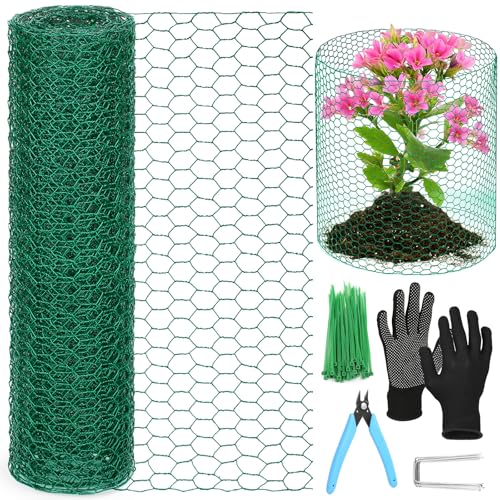
Product best for: Gardeners with larger plants or raised beds seeking a customizable, durable barrier that can be shaped to fit irregular plant silhouettes. Why selected: The 0.8mm galvanized wire mesh is rust-resistant and designed to endure year-round outdoor use, while the roll can be cut to size. It includes 50 zip ties, stakes, pliers, and gloves—supporting a complete setup in one purchase. Caution: The large roll requires careful handling to avoid sharp edges during cutting.
Twintaogo 32.8Ft x 16In Plant Protectors

Product best for: Gardeners planning long, continuous rows or beds who want a DIY-friendly, cut-to-fit solution. Why selected: The set provides a long roll (32.8 ft) with coating that resists rust and supports air and light flow through the square holes. It includes zip ties, stakes, gloves, and pliers for secure installation. Caution: Large sheet sections may require multiple cuts and secure fastening to avoid wind movement.
Dukelai 10 Pcs 9×9 Inch Cloche Covers

Product best for: Small potted plants, seedlings, strawberries, and dwarf flowers needing compact cages. Why selected: A straightforward 9×9 inch cage with PVC coating provides durable protection against digging animals while allowing light and water. Caution: Suited for smaller plants; larger pots may require combining multiple protectors or alternative sizing.
Adnee 6 Pcs 11.8 Inch Plant Grids

Product best for: Indoor and outdoor planters that need discrete protection without obstructing plant development. Why selected: Each round grid measures 11.8 inches in diameter with a center hole, offering flexibility to cover various pots or soil. Caution: Material is lightweight PE; for windy locations, secure firmly with ties and stakes to prevent displacement.
FEED GARDEN Ultra-Fine Mesh Netting

Product best for: Vegetables and flowering beds needing a light but effective barrier against birds and small pests. Why selected: The 0.7–0.8 mm high-density mesh allows sunlight and water through while blocking pests, and the UV-stabilized PE ensures durability for season-long use. Caution: Fine mesh may clog with debris or require occasional inspection to ensure airflow remains adequate.
Buying Guide: Practical Considerations For Choosing Plant Protection
- Plant size and layout: For large plants or irregular shapes, look for long, customizable rolls (like Lucomb or Twintaogo) that can be cut to fit. For small pots, compact cages (Dukelai or Adnee) are often more practical.
- Material and durability: Galvanized metal with rust-resistant coatings lasts longer in exposed areas. PVC-coated options reduce sharp edges but check for UV resistance to prevent material degradation.
- Air, water, and light flow: Choose meshes with appropriate hole sizes that keep critters out while allowing sunlight and irrigation to reach plant roots and foliage.
- Ease of installation: Packages that include stakes, ties, pliers, and gloves save time and ensure a secure setup. DIY cut-to-fit options offer flexibility but may require more handling.
- Coverage area vs. plant growth stage: For seedlings or early growth, smaller covers that can be adjusted as plants mature help prevent over-protection that might limit growth.
- Maintenance and weather: Consider weatherproof coatings and the ability to leave protectors in place through seasons. Some materials tolerate freezing temperatures and moisture better than others.
Frequently Asked Questions
- What type of plant protector is best for raised beds?
– For raised beds, longer, cut-to-fit rolls with stakes and ties are ideal to cover multiple plants at once and adapt as plants grow. - Can these protectors block watering or sunlight?
– Most mesh designs are chosen to balance protection with airflow and light. Verify the mesh size to ensure adequate water penetration and photosynthesis.
- Are metal protectors safe for edible plants?
– Yes, when made from rust-resistant materials with non-toxic coatings, they are typically safe for vegetables and herbs if installed properly and cleaned as needed. - How do I install these protectors quickly?
– Use the included stakes and ties, cut to fit if needed, and secure the edges firmly to prevent wind displacement. Always check for any sharp edges after cutting. - What is the best strategy to deter squirrels specifically?
– Combine physical barriers with placement strategies (e.g., around flowering beds, fruit trees) and ensure there are no food sources within reach that attract squirrels.
This selection emphasizes practical, readily obtainable solutions for American gardeners facing squirrel and small-animal challenges. Each option offers distinct advantages depending on plant size, location, and maintenance preferences, enabling you to choose the right approach for your specific situation.