Starting seeds at home is easier with the right starter pots. This guide highlights five practical options that reduce transplant shock, improve root health, and fit common 1020 seed trays. Best for beginner gardeners, urban growers, and busy households, these pots range from biodegradable peat pots to reusable plastic starters. Each selection prioritizes air flow, drainage, and eco-friendly materials to help seedlings thrive from day one.
| Product | Type | Best For | Why It Stands Out |
|---|---|---|---|
| Doubleggs 120 Cells Seed Starter Tray | Biodegradable Peat Pots | Indoor germination and transplant-friendly setups | Includes 120 cells and labels; degradable pots minimize root disturbance. |
| Burpee SuperSeed Seed Starting Tray | Reusable Tray with Soft Cells | Root-sensitive transplants | Pop-out cells with smart drainage and easy transplanting. |
| CLEANGOR 70Pcs Biodegradable Pots | Biodegradable Seed Pots | Low-waste, all-in-one kits | Biodegrades in soil; includes 70 labels for organization. |
| RAOOKIF 100 Pack Nursery Pots | Plastic Nursery Pots | Budget-friendly, reusable option | Durable, deformable design for multiple uses. |
| Napia Peat Pots Seed Starter | Biodegradable Peat Pots | Compact starter projects | 45 pots with 30 labels; strong drainage for seedlings. |
Doubleggs 120 Cells Seed Starter Tray

The Doubleggs kit uses 1.6 x 1.6 inch cells with 2-inch depth, designed for a wide seed range from herbs to vegetables. Best for indoor germination and quick transplanting, the system minimizes root disturbance by keeping roots intact within biodegradable peat pots. It’s ideal for apartment gardeners or anyone who wants a compact, all-in-one starter solution.
Who it’s best for: home cooks and urban growers who prefer a self-contained starter system and the option to transplant directly into soil without disturbing the roots. Why chosen: the 120-cell kit offers abundant space for starting many plants at once, with natural degradation enhancing soil health after transplant.
Caution: peat pots can be fragile when very dry or handling a large number of seedlings; handle pots gently to avoid cracking before transplantation.
Burpee SuperSeed Seed Starting Tray

The Burpee tray features 36 flexible pop-out cells designed to ease transplanting. It includes alphanumeric labeling and a Plant-o-Gram diagram for quick seedling identification. Its drainage system channels excess moisture away, helping reduce overwatering and root rot. The tray is designed for indoor use, with a stable surface and a deep channel watering tray to minimize spills.
Who it’s best for: gardeners focused on germination reliability and simple, clean transplanting. Why chosen: the pop-out cells reduce root disturbance during transplantation, and the system is easy to reuse after cleaning.
Caution: the soft silicone cells, while gentle, may wear with heavy use; consider upgrading to a sturdier option for repeated seasons.
CLEANGOR 70Pcs Biodegradable Pots Kit
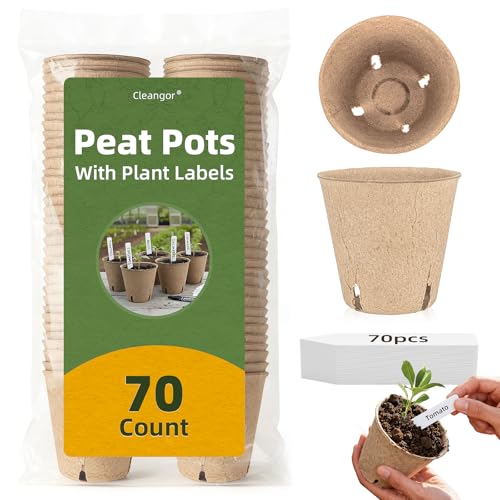
This package pairs 70 biodegradable peat pots with 70 plant labels. The pots are made from 100% recycled pulp and are fully compostable, reducing transplant shock by enabling direct soil planting. The design emphasizes drainage and moisture retention to enhance seedling health, suitable for tomatoes, herbs, and flowers.
Who it’s best for: eco-conscious growers who want a complete, low-waste starting kit. Why chosen: biodegradability and labeling aids organization without compromising plant support during early growth.
Caution: Biodegradable pots can take longer to degrade if kept very wet; ensure proper moisture management during early growth stages.
RAOOKIF 100 Pack Nursery Pots

The RAOOKIF set provides 100 plastic 4-inch pots with drainage holes, designed to be reusable. This option is economical and durable, suitable for seedlings, cuttings, and transplants. The deformable design helps plants spread from the pot as needed and simplifies handling.
Who it’s best for: budget-minded gardeners seeking a durable, reusable pot with reliable drainage. Why chosen: high quantity and reuse potential make it a practical long-term starter solution.
Caution: plastic pots require careful cleaning between seasons to prevent disease carryover; avoid using damaged pots which can harbor residues.
Napia Peat Pots Seed Starter Kit

The Napia kit includes 45 peat pots with 30 plant labels, designed for 1020 tray compatibility. The pots are biodegradable and feature drainage holes to improve aeration, helping roots breathe and reducing risk of root rot. This compact set suits small-scale seed projects and kitchen-garden starters.
Who it’s best for: gardeners needing a compact, biodegradable option with labeling for seed organization. Why chosen: strong drainage and biodegradability support healthy early growth while keeping packing simple.
Caution: smaller pot size may limit root growth for larger plants; consider larger pots for longer-term starter projects if needed.
Buying Guide
What material should I choose?
Biodegradable peat pots are excellent for minimizing transplant shock since you can plant the pot directly into soil. Reusable plastic pots last longer and are cost-efficient for multiple seasons, but require cleaning between uses. For organic gardening and eco-credibility, biodegradable options are preferred.
How important is drainage?
Proper drainage prevents waterlogged roots and mold growth. Pots with multiple drainage holes or well-ventilated walls help seedlings develop strong root systems. Avoid pots with poor drainage if you live in humid climates or tend to overwater.
Are labels useful?
Labels help keep track of varieties, especially when germinating many seeds. Kits that include plant labels or compatibility with standard 1020 trays make organization straightforward and reduce mislabeling during transplanting.
What about transplanting?
Transplant-friendly designs minimize root disturbance. Look for pots that can be planted whole or drained gradually. Pop-out cells or pots that degrade in soil are ideal for seamless transplantation with minimal root damage.
Size considerations
Seed-start sizes vary by plant type. Small herbs and microgreens do well in 1.5–2 inch cells, while larger vegetables may require bigger pots or longer initial growth in trays before transplanting. Match pot size to your seed mix and space constraints.
Durability and reuse
Consider how often you plan to start seeds. Durable plastic pots enable reuse across seasons, while disposable peat pots suit quick setups and eco-friendly disposal. Balance cost, convenience, and environmental impact when choosing.
FAQ
- Which starter pot is best for transplanting into the garden? Biodegradable peat pots are ideal because they can be planted directly into soil, reducing root disturbance.
- Do I need labels for seed starting? Labels help organize varieties and track germination, especially when starting many seeds at once.
- Are reusable trays cheaper in the long run? Yes, reusable plastic trays can be economical over multiple seasons, provided they’re cleaned properly between uses.
- What size pot should I use for tomatoes? Start with a larger seedling size or transplant earlier from a bigger cell to support root growth; check seed packet recommendations for spacing.
- What is transplant shock and how can pots help? Transplant shock occurs when roots are disturbed during transplanting. Biodegradable pots minimize this by allowing the entire pot to be planted, protecting the root system.
- Which option is best for a beginner with limited space? A compact kit with biodegradable pots and labeling, like the Napia or CLEANGOR sets, offers straightforward setup and minimal waste.