Starter trays organize seed starting for indoor gardens, whether you’re growing vegetables, herbs, flowers, or microgreens. This guide highlights five top options that balance durability, root-friendly designs, and ease of transplanting. Suitable for beginners and experienced gardeners alike, these trays help minimize transplant shock, support even moisture, and enable clean, scalable setups for home growing. The following picks are best for compact spaces, larger seed lots, or setups requiring added features like humidity control or drainage.
| Product | Best For | Cell Count | Key Benefit |
|---|---|---|---|
| Burpee SuperSeed 36-Cell Tray | General seed starting | 36 | Alphanumeric labeling and silicone cells for easy transplanting |
| Gardzen 5-Set Seed Starter Tray Kits | Higher-volume starting | 40 | Adjustable vents and durable design |
| Gardzen 30-Pack 6-Cell Tray | Compact, diverse seeds | 6 per tray | Drainage holes and compact footprint |
| Bonviee 5 Packs Seed Starter Tray With Grow Light | All-in-one indoor growing | Varies (5 packs) | Full spectrum LED light and elevated lid |
| The Hydroponic City 216-Cell Tray Set | Large seed batches | 216 | Durable, reusable, versatile for many plants |
Burpee SuperSeed 36-Cell Tray

The Burpee 36-cell tray provides soft food-grade silicone cells that cradle seedlings and pop out easily for transplanting. It includes alphanumeric labeling and a Plant-o-Gram diagram for seedling identification. The molded drainage channels and raised perimeter help manage moisture, reducing spill risk and promoting strong root growth. This tray is best for gardeners who want a straightforward, reusable starting system and easy transplanting, especially for vegetables, herbs, and flowers indoors.
Who it’s best for: Small to medium indoor gardens seeking simple germination with easy transplanting. Why selected: balanced design, reusable cells, and clear labeling. Caution: cells are silicone-padded and may require careful cleaning to maintain longevity.
Doubleggs 120 Cells Seed Starter Tray Kit

The Doubleggs kit includes 120 cells across 10 trays with biodegradable peat pots and labels. Each cell measures about 1.6 inches square and 2 inches deep, accommodating a wide range of seeds from herbs to vegetables. The peat pots are designed to minimize transplant shock and can be planted directly into soil, with pots biodegrading over time. Suitable for starting many small seedlings at once.
Who it’s best for: Home gardeners scaling up seed starts or teaching kids indoor gardening. Why selected: high cell count, biodegradable pots, and straightforward transplanting. Caution: peat pots may require additional handling if you’re recycling containers or managing a tight space.
Gardzen 5-Set Seed Starter Tray Kits

This Gardzen kit includes 40 cells across five trays, with an upgrade that adds two adjustable ventilation vents to control airflow. The included stickers help secure a tighter fit between dome and base for efficient humidity control. Durable plastic construction supports repeated use, and the set handles a wide range of seeds from herbs to small vegetables.
Who it’s best for: gardeners who want adjustable humidity and reliable reuse. Why selected: ventilation control and a solid, durable build. Caution: some users may prefer larger cell counts for big seeds or microgreens.
Gardzen 30 Pack 6-Cell Seed Starting Tray
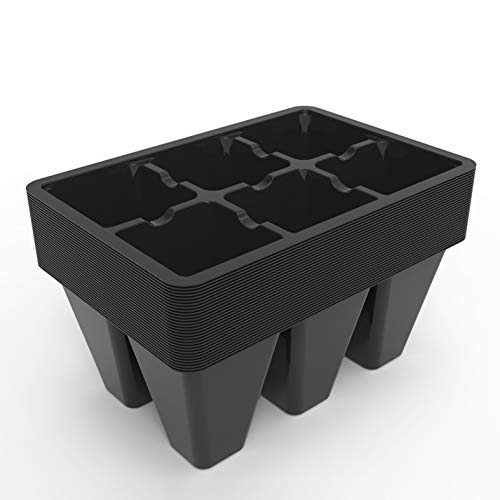
These compact trays feature 6-cell units with bottom drainage holes and top guide channels to ensure even moisture distribution. Each cell is roughly 1.5 inches square and 2.2 inches deep, supporting healthy root systems for a wide range of seeds. The design allows gardeners to place multiple trays in a row for larger projects while maintaining adequate space for roots and water management.
Who it’s best for: gardeners starting several varieties in tight spaces or focusing on microgreens and herbs. Why selected: compact footprint with reliable drainage. Caution: smaller cell size may be less suitable for larger seedlings or long-term transplants.
The Hydroponic City 216-Cell Tray Set
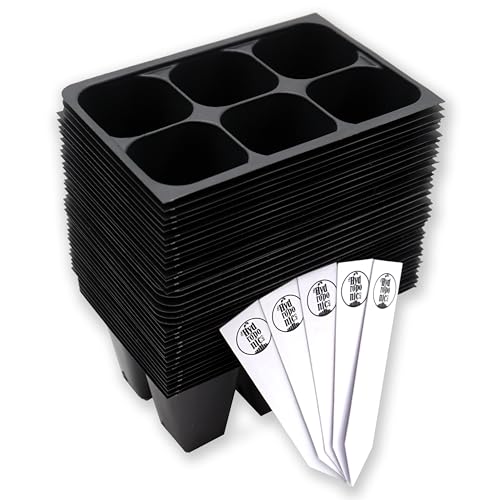
This set includes 216 cells across 36 trays, each measuring about 1.5 inches square by 2.25 inches deep. The construct aims to promote healthy root development and is designed for durability and reuse. It accommodates a wide range of seeds, making it versatile for large-scale indoor gardens or education-focused setups.
Who it’s best for: serious hobbyists, classrooms, or growers needing high capacity. Why selected: scale and reuse-friendly design. Caution: larger sets require more space and organizational planning.
Buying Guide
What matters most in seed starter trays?
Cell size and count influence root development and transplant timing. Choose larger cells for bigger seedlings and smaller cells for microgreens or herbs. A tray with drainage or bottom wells helps prevent overwatering and promotes even moisture.
Ventilation and humidity control
Humidity domes and adjustable vents help create consistent germination environments. If you start many seeds with different moisture needs, a tray with adjustable vents is advantageous. Consider domes that seal securely without overheating seedlings.
Material durability and reuse
Durable plastics and silicone components extend life for multiple seasons. If you plan to reuse trays, look for dishwasher-safe features or easy cleaning, and consider whether pots or cells are biodegradable for a low-waste option.
Transplant ease and root safety
Trays with soft-cell design or pop-out roots reduce transplant shock. For beginners, a system that allows gentle removal of seedlings without disturbing the root ball is beneficial. Some trays integrate with soil directly, simplifying the transition to outdoor beds or containers.
Space, budget, and scalability
Assess your growing space and future plans. Larger, high-capacity sets suit basements and greenhouses, while compact trays fit apartments or windowsills. Budget-friendly options can still provide reliable germination, but plan for replacements if you frequently transplant.
FAQ
- What size seed starter tray should I choose? Choose cell sizes based on the plants you intend to start. Larger seedlings need bigger cells, while herbs and microgreens benefit from smaller cells to maximize germination density.
- Are seed starter trays reusable? Many are; check the material. Reusable trays save money and reduce waste, especially when cleaned properly after each season.
- Do I need a humidity dome? Domes help stabilize humidity during germination and can accelerate sprouting, but they are not always required for all seeds. Vent adjustable domes offer flexibility.
- Which tray is best for beginners? Look for trays with simple transplanting, clear labeling, and durable materials. Trays with pop-out cells and plant labeling help beginners track progress more easily.
- Can I plant seedlings directly in peat pots? Yes, some systems allow direct planting of peat pots into soil, which minimizes root disturbance. Ensure the pots are appropriate for your soil and climate.
- What is the best option for large seed batches? Larger-capacity tray sets, such as multi-tray systems with 216 cells, are ideal for high-volume starting and science-education environments.