Choosing sterile, low‑gnat potting soil helps indoor plants thrive with minimal pest issues. This guide highlights five top options designed for houseplants, herbs, and starter plants. Each product focuses on avoiding compost or bark that can shelter fungus gnats while delivering reliable moisture control and nutrient support. The selections are best for buyers who want clean mixes, moisture regulation, and roots that grow in living, well‑aerated soil. Read on to find fits for beginners, busy homes, and herb setups alike.
Summary of selected products
- Miracle-Gro Houseplant Potting Mix — best for general indoor houseplants that want a predictable 6‑month feed and fewer gnats.
- Miracle-Gro Organic Indoor Potting Mix — best for those prioritizing organic ingredients and moisture regulation.
- Miracle-Gro Indoor Potting Mix (2‑pack) — best for value and versatility across many indoor plants.
- Back to the Roots 100% Organic Indoor Potting Mix (6 Qt) — best for moisture retention and root growth with mycorrhizae.
- Rosy Soil Organic Indoor Potting Mix with Biochar — best for living soil benefits and peat‑free composition.
Miracle-Gro Houseplant Potting Mix

This fertilized indoor soil is designed for containers and keeps houseplants fed for up to six months. It uses a blend of perlite, sphagnum peat moss, and coir to improve drainage while reducing the likelihood of fungus gnats. Best for: beginners and busy households seeking a ready‑to‑use mix with built‑in nutrition. Limitation: fertilizer longevity may vary with plant type and watering frequency.
Miracle-Gro Organic Indoor Potting Mix

This organic indoor mix emphasizes moisture regulation with responsibly sourced sphagnum peat moss, coir, and a natural starter fertilizer. Best for: buyers prioritizing organic materials and versatile use with a wide range of indoor plants, including herbs and seedlings. Limitation: organic blends can vary in nutrient release timing depending on environmental conditions.
Miracle-Gro Indoor Potting Mix (2‑Pack)
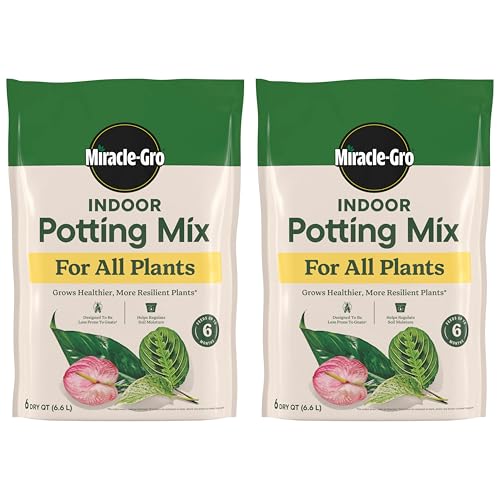
This two‑pack provides a blended soil for a variety of indoor plants, offering up to six months of feeding and eliminating compost or bark that shelter gnats. Best for: households that want a single solution for multiple pots and plant types. Limitation: may not be ideal for extremely small containers where precise nutrient control is desired.
Back to the Roots 100% Organic Indoor Potting Mix (6 Qt)
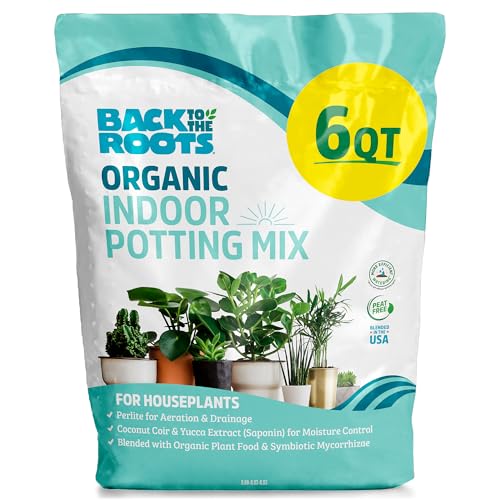
Contains organic yucca extract for moisture retention and root‑boosting mycorrhizae. This peat‑free mix aims to lower environmental impact while supporting robust root systems. Best for: eco‑minded buyers seeking peat‑free options with microbial benefits. Limitation: organic ingredients may require careful watering to maintain consistent moisture levels.
Back to the Roots 100% Organic Indoor Potting Mix (12 Quart)

This larger bag provides the same moisture‑retention and mycorrhizae benefits as the 6 qt version, suitable for more plants or larger containers. Best for: households with several indoor pots or starter setups. Limitation: larger bags are heavier to move and may intimidate casual buyers.
Rosy Soil Houseplant Potting Soil

Peat‑free with biochar, worm castings, mycorrhizae, and natural ingredients, this mix supports healthy foliage through living soil. Best for: gardeners seeking microbial benefits and sustainable materials. Limitation: the blend’s organic components may require familiarization with watering and leaching to avoid puddling in compact pots.
Buying Guide: Sterile Indoor Potting Soil Essentials
What makes a potting soil “sterile” and suitable for indoor plants? Look for mixes that minimize compost, bark, and other materials that harbor pests like fungus gnats. Emphasize moisture regulation, good drainage, and a light nutrient supply to prevent overwatering and root rot. For herb starters or seed starting, consider blends that include starter fertilizer or organic nutrients. If you prefer peat‑free options, focus on mixes that use coconut coir, perlite, or biochar instead.
How to choose by plant type and care routine
- Houseplants needing steady nutrition: pick fertilized mixes with a longer feeding window (up to 6 months).
- Organic focuses: choose OMRI or organic‑certified blends with coco coir and natural fertilizers.
- Moisture control: select mixes containing sphagnum peat or coir with water retention aids and wetting agents.
- Peat‑free and sustainable: prefer used ingredients like biochar, worm castings, yucca extract, and mycorrhizae.
- Root health priority: look for mixtures with good aeration, drainage, and lack of dense bark fines.
Quick comparison table
| Product | Best For | Key Benefit | Limitations |
|---|---|---|---|
| Miracle-Gro Houseplant Potting Mix | General indoor plants | 6‑month feeding; reduces gnats | Fertilized; may overfeed sensitive plants |
| Miracle-Gro Organic Indoor Potting Mix | Organic enthusiasts | Organic components; moisture regulation | Organic mix may release nutrients slowly |
| Miracle-Gro Indoor Potting Mix (2‑Pack) | Versatile multi‑plant use | Value; 6‑month feeding | Same generic blend; need monitoring |
| Back to the Roots 6 Qt | Moisture retention; root growth | Organic; peat‑free; mycorrhizae | Peat‑free blends may require adaptation |
| Rosy Soil Peat‑Free Mix | Living soil enthusiasts | Biochar and worm castings; peat‑free | Organic components may need careful watering |
FAQ
- What is sterile potting soil best used for indoors? It is ideal for minimizing fungus gnats and providing a clean growing medium for houseplants, herbs, and starter plants.
- Do these mixes require fertilization after use? Some blends include pre‑fertilization for 4–6 months; others are organic and may require additional feeding depending on plant needs.
- Are peat‑free options better for indoor gardening? Peat‑free mixes reduce environmental impact and can still provide good moisture control and root health.
- How often should I water plants using these soils? Watering frequency depends on plant species, pot size, and mix moisture retention; avoid overwatering by using well‑draining blends.
- Can I mix these soils with vermiculite or perlite? Yes, for improved aeration and drainage, particularly in dense containers or for succulents and tropicals.
- Which product is best for beginners? The Miracle-Gro Houseplant Potting Mix and the 2‑pack option offer simple, ready‑to‑use solutions with built‑in nutrition.