If you’re seeking an effective, non-toxic way to capture household bugs, sticky traps are a reliable option. This guide highlights five proven sticky-board products that target common pests such as ants, roaches, flies, gnats, and spiders. The best fits vary by pest type and placement—indoor living spaces, kitchens, gardens, and garages. Read on to compare each option, who it’s best for, and practical installation tips to maximize catch rates.
Summary table of chosen products:
| Product | Best For | Ideal Use | Stretch Note |
|---|---|---|---|
| Trapper Max Glue Traps | General rodents and insects | Flat or folded placement in observed pest activity | Non-toxic; large surface |
| Catchmaster Max-Catch Glue Trap | Insects and small rodents | Along known pathways, year-round control | Ready to use; pesticide-free |
| LFSYS Window Fly Trap | Indoor flies | Along windows; transparent design | Non-toxic; light-friendly |
| Plant pests (flies, gnats) | Indoor/outdoor plants | Odorless; color attracts pests | |
| Catchmaster Giant Fly Glue Trap | Large-scale fly control | Garage, barn, greenhouse | 30 ft roll; easy to cut |
Trapper Max Glue Traps
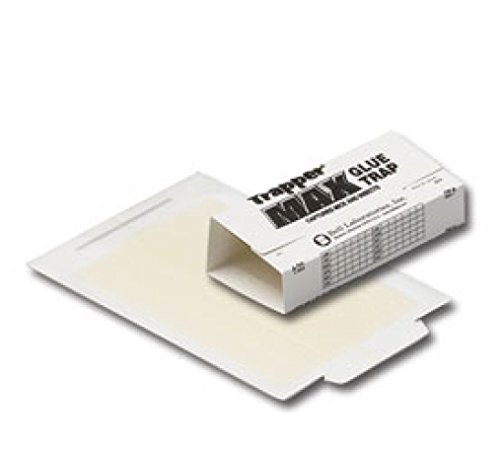
Product overview: Trapper Max Glue Traps use a large 4.5″ x 6.5″ sticky surface with a total trap size of 5.25″ x 7.75″. They can be used flat or folded to fit different locations. Designed to catch mice, insects, bed bugs, spiders, and cockroaches in a non-toxic format. The flexible design helps target areas of pest activity where sightings are common.
Best for: Homes needing a non-toxic, easy-to-deploy option for mixed pest activity. Suitable for basements, kitchens, and entryways where pests travel along walls or along pathways.
Why selected: It combines a large adhesive area with a simple setup that works without bait, reducing maintenance and mess while enabling quick placement in high-traffic bug zones.
Caution: If dust or debris accumulates on the surface, effectiveness may decrease; keep traps clean for best results.
Catchmaster Max-Catch Glue Trap

Product overview: Max-Catch Glue Traps are ready to use and designed to attract insects, ants, mice, roaches, and other pests, with a year-round, pesticide-free formula. They are intended to be placed along known pest pathways and can be left in place for extended periods.
Best for: Households seeking a pesticide-free, low-maintenance solution for continuous pest monitoring and control, especially along walls and entry points.
Why selected: The product emphasizes ease of use and multi-pest targeting potential, making it versatile for mixed indoor infestations.
Caution: Traps should be left undisturbed to maximize effectiveness; avoid moving them frequently once pests are captured.
LFSYS Window Fly Trap
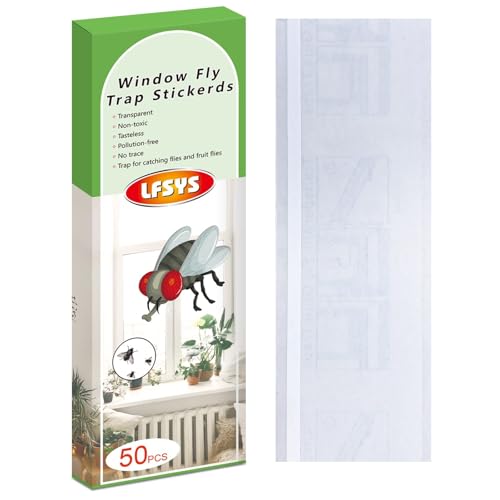
Product overview: A clear, window-mounted trap designed to be unobtrusive while attracting flies. It uses a trusted glue system and is non-toxic, making it safe for indoor use around children and pets.
Best for: Indoor homes, especially kitchens and living areas where flies are a recurring nuisance but visibility of traps should be minimized.
Why selected: The transparent design helps maintain aesthetics while controlling fly activity, making it a practical add-on for daily fly management.
Caution: The trap is most effective in well-lit areas; poor lighting may reduce attractant effectiveness.
Mosqueda Yellow Sticky Traps
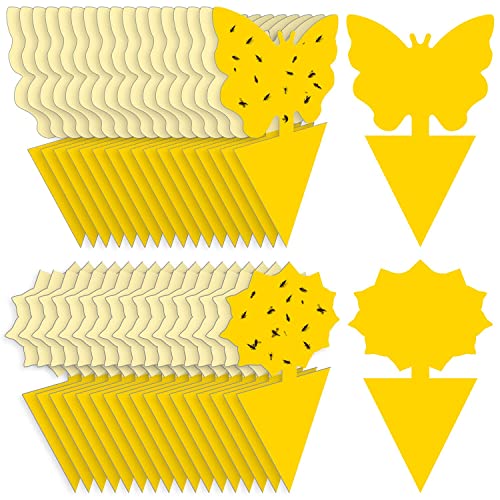
Product overview: Yellow sticky traps use bright color to attract flying plant pests, including fungus gnats and whiteflies. They are non-toxic and safe for indoor and outdoor use, suitable for houseplants and garden setups.
Best for: Plant caretakers needing a non-toxic solution for flying pests around pots and garden spaces, both inside and outside.
Why selected: Color-based attraction combined with a simple application yields effective plant-pest control without chemicals.
Caution: Best placed near plants and away from direct airflow that could dislodge adhesive layers; replace when clogged or ineffective.
Catchmaster Giant Fly Glue Trap

Product overview: A 30-foot x 10-inch adhesive fly trap roll designed for larger spaces like garages, barns, and greenhouses. It provides a wide catching surface and is pesticide-free, suitable for extended use.
Best for: Bigger spaces with heavy fly activity where a large, continuous catching surface is advantageous.
Why selected: The long roll format offers scalable coverage and easy customization to fit irregular areas and longer wall spans.
Caution: Roll containment and proper disposal are important to avoid accidental contact with the adhesive; cut to fit before installing.
Buying Guide
What pest type are you targeting?
Identify whether your issue is flying insects, crawling pests, or a mixed problem. Some traps are optimized for flies and gnats, while others capture mice, roaches, or spiders. Choose accordingly to maximize effectiveness.
Indoor vs. outdoor use
Indoor traps prioritize low odor, non-toxicity, and minimal visibility. Outdoor or garage traps tend to offer larger surfaces, longer lifespans, and coverage for bigger spaces.
Ease of use and maintenance
Consider whether you want ready-to-use boards, or a roll that you can cut to fit. For busy households, ready-to-use traps reduce setup time and maintenance.
Safety considerations
Non-toxic, pesticide-free options are preferable for homes with children and pets. Check for safe storage and disposal practices to avoid accidental contact with adhesives.
Placement and monitoring tips
- Place traps along walls, corners, and known pest pathways for better catch rates.
- Avoid placing near food preparation surfaces or direct contact with kids’ play areas.
- Best results often come from combining multiple trap types to address different pests.
Durability and replacement
Most traps last up to several months under normal conditions. Replace when the adhesive is clogged, the surface is dirty, or pests are not being captured consistently.
Frequently Asked Questions
- Q: Are sticky traps safe for households with pets? A: Many options are non-toxic and pesticide-free, making them safer around pets, but always place them out of reach and follow product directions.
- Q: How long do sticky traps stay effective? A: Effectiveness varies by environment; some can last up to a year in normal conditions, while others should be replaced when visibly clogged or after a certain period.
- Q: Can I use these traps alongside baits or repellents? A: Yes, but avoid placing traps where baits might be disturbed or disturbed by pets and children. Use in separate zones if possible.
- Q: What’s the best placement for a garage or utility room? A: Place along walls and near entry points where pests enter or congregate, ensuring traps are away from sensitive areas like food prep zones.
- Q: Do these traps attract more pests over time? A: They attract and capture pests; proper placement and timely replacement help prevent pest buildup in surrounding areas.
- Q: Should I use multiple trap types at once? A: For comprehensive control, combining traps designed for different pests can improve overall results.