Answering the need for effective plant sun protection, these shade cloths and sunblock covers help gardeners regulate heat, temperature, and moisture while keeping plants healthy. Each option below suits different setups—from greenhouse benches to open raised beds. Best for beginners: easy-install, light-duty cloths. Best for seasoned growers: heavier, durable mesh with reinforced edges. This guide highlights who benefits most from each product and why it’s a strong pick for sun management in American gardens.
| Product | Why It’s a Fit |
|---|---|
| TREEVEX Shade Cloth | Great balance of UV protection and airflow for general garden beds and greenhouse rows. |
| winemana Shade Cloth | 50% shade with durable HDPE mesh, solid for seedlings and multi-season use. |
| QLOFEI Shade Cloth (40-50%) | Versatile, high-visibility mesh with reinforced edges and grommets for easy hanging. |
| BELLEBILL Shade Cloth | Reliable 50% shade rate in a standard 6.5 x 10 ft size for general plant protection. |
| Cool Area Shade Cloth | 55% shading with sturdy build and straightforward install for patios, kennels, and gardens. |
TREEVEX 55% Shade Cloth for Garden

Best for: avid gardeners needing reliable UV protection without sacrificing light. This shade cloth blocks up to 55% of direct sunlight while maintaining adequate light for photosynthesis. It’s ideal over vegetable beds, flower rows, or greenhouse benches where you want to soften intense sun without completely shading. The HDPE knit construction resists tears and holds up under outdoor conditions, giving long-lasting performance.
Why selected: It offers a straightforward balance between shade and light, plus a cut-to-size option if you need a custom fit. Low maintenance and durable, it suits raised-bed gardeners and greenhouse hobbyists who prioritize plant health and reduced watering.
Caution: Cutting is allowed to tailor the cloth, but uneven cuts can affect edge integrity. Follow safe cutting practices to avoid fraying.
winemana 50% Shade Cloth

Best for: gardeners focusing on seedling stages or cooler-season crops. The 50% filtration rate provides gentle protection as plants establish, while still delivering essential light for growth. It works well for garden frames, trellises, or patio protection for potted plants.
Why selected: Durable UV-stabilized HDPE mesh supports multi-season use and improved airflow, reducing heat build-up. Reinforced edges and grommets enable quick, secure installation on frames or fences.
Caution: The 50% shade rate is mid-range; for hottest summer periods or full-sun beds, you may need a higher shade rate or multiple layers for stronger protection.
QLOFEI Shade Cloth for Garden Plants

Best for: versatile setups including greenhouses, hoop houses, and kennels where airflow and shade are both needed. This cloth features high-density polyethylene with a lock-stitch knit to prevent unraveling and reinforced corners for durability across seasons.
Why selected: The fabric’s stretchability and side grommets every 40 inches simplify hanging and tensioning on irregular frames. Choose this if you want a dependable, tear-resistant option with flexible installation.
Caution: The size range varies by cut; verify final dimensions before cutting or mounting to ensure adequate coverage.
BELLEBILL 50% Shade Cloth

Best for: general garden beds, greenhouse borders, and outdoor spaces where moderate shading is desired. The 50% shade rate allows water and air to pass through while reducing sunburn risk for leaves and fruits.
Why selected: The fabric is durable and sized at 6.5 x 10 ft, a convenient standard for many home gardens. While the material is stretchy, a small variation in manual measurements is normal and accounted for in setup.
Caution: Expect minor size variations due to fabric stretch; plan to trim edges if tight tolerances are required for fitment.
Cool Area 55% Sun Shade Cloth
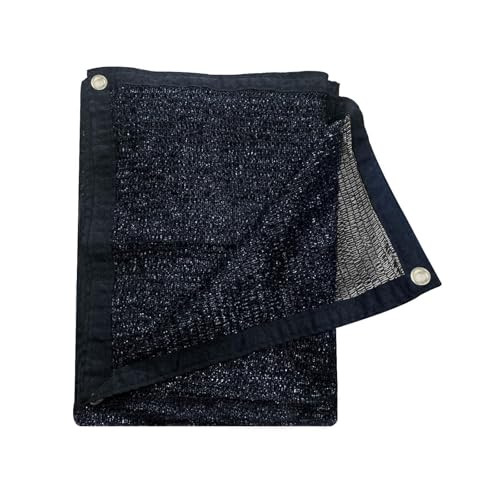
Best for: shade solutions where moderate-to-high protection is needed across multiple outdoor settings—gardens, kennels, or patios. A 55% shading rate reduces direct sun while maintaining air flow for plants and animals nearby.
Why selected: The cloth is designed for durability, with a straightforward installation process using existing frames or simple tie-downs. It resists heat buildup and supports longer outdoor use.
Caution: Some environments may benefit from double-layering during peak sun months to maximize protection for sensitive crops.
Buying Guide: How To Choose The Right Shade For Plants
- Shade level: Consider 40-50% for seedlings and cool-season crops; 55% or higher for heat-loving plants in peak sun. Higher shading rates provide stronger sun protection but reduce light availability.
- Material and durability: Look for HDPE fabric with UV stabilization, reinforced edges, and grommets. Lock-stitch knitting helps prevent unraveling and extends life in windy areas.
- Installation and fit: Check size and edge design. Grommets placed every few feet simplify mounting on frames, fences, or hoops. Some cloths are cut-to-fit, others require trimming.
- Ventilation and light: Balanced shading should maintain air flow to prevent excess humidity and maintain plant transpiration. Mesh breathability matters in greenhouses and outdoor beds alike.
- Versatility: If you garden across seasons, choose a cloth that works with pergolas, raised beds, greenhouses, and animal enclosures. Spares you from buying multiple solutions.
FAQ
- What is the best shade cloth for seedlings? – A cloth offering around 50% shade is typically good for seedlings, providing protection from intense sun while preserving essential light.
- Can shade cloths help reduce watering? – Yes, shading can lower evaporation, which often reduces irrigation frequency in exposed beds.
- Are reinforced edges important? – Yes, reinforced edges and grommets reduce tearing and improve long-term durability, especially in windy locations.
- How do I install shade cloth on a garden frame? – Attach with grommets to posts or trellises using zip ties or rope, and ensure the cloth is taut but not overly stretched.
- Is there a risk of too much shade? – Yes. If shading blocks too much light, plant growth can slow or stretch. Choose a shading rate aligned with plant type and sun exposure.
- Can shade cloths be reused across seasons? – Many HDPE fabrics are designed for multi-season use, provided they’re cleaned and stored properly when not in use.