Direct sun can stress plants, raise soil temperatures, and make outdoor spaces uncomfortable. This guide highlights five solar shade cloths that balance light and cooling for American gardens and patios. Each option is suited for different shade goals—from light, breathable protection for seedlings to heavy shading for heat-prone summers.
| Product | Shade Level | Best For |
|---|---|---|
| Winemana 50% Shade Cloth | 50% | New seedlings, cool-season crops |
| TREEVEX 55% Shade Cloth | 55% | General garden shading, temperature control |
| Winemana 70% Shade Cloth | 70% | Summer heat protection |
| 50% | Plants, greenhouse, patio | |
| Shade&Beyond 90% Shade Cloth | 90% | High-heat shading, pergola or patio refuges |
Note: All options are made from high-density polyethylene (HDPE) mesh with reinforced edges and grommets for easy setup. Consider your climate, plant types, and installation space when choosing the right shade level and size.
Winemana 50% Shade Cloth for Garden

The Winemana 50% shade cloth offers filtered sunlight ideal for spring growth. It reduces direct sun while still delivering ample light, supporting seedlings and cool-season crops. Best for gardeners who want gentle protection without significantly limiting photosynthesis.
Who this is best for: new gardeners and raised-bed growers who need light shade to establish plants without slowing growth. Why selected: its 50% shade rate provides a balanced light level while promoting airflow and reducing heat buildup.
Limitation: not designed for extreme heat; consider higher shade percentages for peak-summer protection.
TREEVEX 55% Shade Cloth for Garden

Treevex provides 55% shading, softening UV rays while preserving essential sunlight for photosynthesis. This fabric is designed to fit varied garden sizes and is easy to trim for custom layouts. It improves airflow and helps regulate soil temperature, reducing watering frequency in hot seasons.
Who this is best for: gardeners needing a versatile, semi-light shade cloth that can be cut to fit irregular spaces. Why selected: the 55% shade level offers a practical middle ground between full sun and heavy coverage.
Caution: sizing flexibility requires careful measurement to avoid gaps in coverage.
Winemana 70% Shade Cloth for Garden
Designed for hotter conditions, the Winemana 70% shade cloth delivers strong sun protection while still allowing enough light for robust plant growth. This makes it a strong choice for summer gardens, greenhouses, and outdoor patios where heat is a primary concern.
Who this is best for: households facing scorching summers or needing reliable shade for vegetable and flower beds. Why selected: 70% shade reduces heat more effectively than mid-range cloths, helping protect crops during peak sun hours.
Limitation: higher shade levels can slow growth in heat-loving plants; monitor plant response and adjust placement as needed.
BELLEBILL 50% Shade Cloth

Bellebill’s 50% shade cloth balances light and shade effectively for gardens and greenhouses. It blocks a substantial portion of direct sun while allowing air and water to pass through, making it suitable for mixed-use spaces such as patios and plant beds.
Who this is best for: gardeners needing a reliable, mid-range shade cloth for varied crops and outdoor areas. Why selected: popular 50% rate pairs well with most climates and plant types.
Limitation: stretchable fabric can vary slightly in size; plan for minor sizing adjustments during installation.
Shade&Beyond 90% Shade Cloth
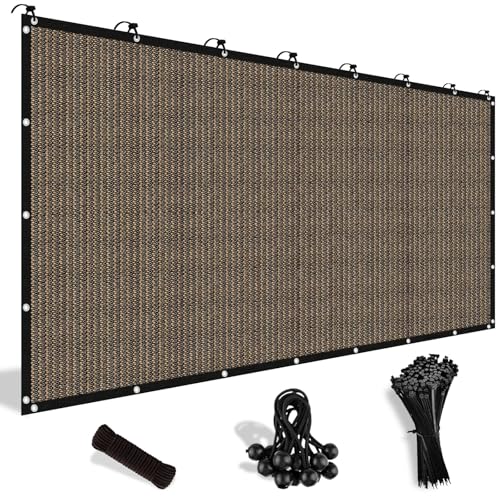
Shade&Beyond offers a high-coverage 90% sun block, ideal for intense sun areas where shade is a premium. It provides strong UV protection and helps create a cooler outdoor space while preserving some air movement and visibility.
Who this is best for: patios or greenhouses in very sunny climates needing maximum shading. Why selected: 90% coverage is useful for delicate plants or high-heat days where heat relief is critical.
Limitation: may be too dense for plants that require substantial light; consider layering or choosing a lower shade cloth when lighter exposure is preferable.
Buying Guide: Key Considerations For Shade Cloths
- Shade percentage: Lower percentages provide more light; higher percentages reduce heat more. Choose based on climate and plant needs.
- Fabric and durability: Look for UV-stabilized HDPE with reinforced edges and grommets for long-term outdoor use.
- Size and installation: Measure space accurately and plan for frame or fence mounting. Consider pre-punched edges or the ability to cut to fit.
- Airflow and water passage: Effective shade cloth should allow airflow and water through, supporting plant health and irrigation.
- Application area: Distinguish between garden beds, greenhouses, patios, and kennels; some fabrics are better suited for lightweight shading while others excel in heat reduction.
Frequently Asked Questions
- How do I choose the right shade percentage for my garden? – Consider your climate, plant type, and sun intensity. Seedlings and cool-season crops often do well with 40–60%, while hot climates may benefit from 70–90% shading during peak sun.
- Can shade cloths affect irrigation or rainfall? – Shade cloths allow water and air to pass through, helping irrigation efficiency and reducing runoff in many setups.
- Are grommets necessary for installation? – Grommets simplify mounting to frames or fences and help distribute stress evenly to prevent tearing.
- Will shade cloths reduce plant growth? – When chosen appropriately, they protect plants from sunburn and heat stress while still permitting adequate light for photosynthesis. Adjust shade level if growth slows.
- Is it okay to cut shade cloth to fit irregular spaces? – Yes, many fabrics are designed to be trimmed. Ensure edges remain reinforced after resizing to prevent fraying.
- What is the best setup for a backyard pergola? – A Shade Cloth with strong grommets and a shade level around 70–90% works well for hot climates, providing practical cooling while maintaining airflow.