When choosing a systemic insecticide for citrus trees, focus on products that move within the plant to protect leaves, fruit, and new growth. This guide highlights five effective options suited for home gardeners and small orchards. Best for homeowners with multiple fruit trees, best for containers, and best for season-long protection, these picks cover a range of needs from quick baselining to long-lasting control. All products are designed to target common citrus pests such as aphids, psyllids, and leafminers while supporting plant health.
| Product | Best For | Key Benefit |
|---|---|---|
| BioAdvanced Fruit & Citrus Tree Insect Control Concentrate (32 oz) | Small orchards, multiple fruit trees | Up to 2 months of infestation prevention |
| Monterey Fruit Tree & Vegetable Systemic Soil Drench (1 gal) | Home gardens with mixed crops | Broad spectrum systemic protection for fruit, nut trees, vegetables |
| Monterey Bundled Soil Drench (1 qt) with Garden Measure Spoon | Season-long control for a single-season use | Imidacloprid-based systemic with handy measuring spoon |
| BioAdvanced Fruit, Citrus & Vegetable Insect Control Concentrate (32 oz) | Edible gardens with many crops | Season-long protection for over 100 listed crops |
| BioAdvanced 12 Month Tree and Shrub Protect & Feed (64 oz) | Long-term protection for established trees | Kills listed insects and provides up to 12 months of protection |
BioAdvanced Fruit & Citrus Tree Insect Control Concentrate

Brand: Bayer Advanced. Features: Kills listed fruit and citrus tree insects including Asian Citrus Psyllid, whiteflies, aphids, and more. Protects up to 2 months; suitable for citrus, apple, peach, cherry, plum trees, tomatoes, peppers, and several other crops. No spraying required—mix the concentrate and pour at the base of fruit and nut trees. Best for homeowners with a few citrus trees and nearby ornamentals that share pests.
Best for: Homeowners seeking a concentrated, at-base application that provides season-long protection for a small grove. Use this if you prefer a simple mix-and-pour method without foliar spraying. Caution: ensure proper placement around root zones to maximize uptake and avoid oversaturation in sensitive soils.
Monterey Fruit Tree & Vegetable Systemic Soil Drench

Brand: Monterey. Features: Insect killer for aphids, flea beetles, leafhoppers, thrips, whiteflies, and more. Protects fruit & nut trees, including citrus, grapes, berries, pome and stone fruits, and many vegetables and herbs. Best for: Gardeners who want a broad-spectrum systemic option that also covers herbs and vegetables. Limitations: Imidacloprid-based products may require careful timing with beneficial insects in the yard.
Monterey Fruit Tree & Vegetable Systemic Soil Drench Bundled

Brand: Monterey. Features: Concentrate insect killer for wide range of crops; protects fruit & nut trees and vegetables; bundled with a garden measure spoon for season-long control. Best for: Those who want a complete season-long solution with precise application. Caution: Follow label directions regarding dilution and target crops to avoid environmental impact.
BioAdvanced Fruit, Citrus & Vegetable Insect Control Concentrate

Brand: Bayer Advanced. Features: Special formula for edible gardening; kills aphids, Asian Citrus Psyllid, leafhoppers, and other listed pests. Provides season-long protection up to 2 months. Best for: Edible gardens with diverse crops, needing a broad-spectrum systemic that targets common citrus pests. Limitation: The product lists multiple crops—verify compatibility with your specific plant list before use.
BioAdvanced 12 Month Tree and Shrub Protect & Feed
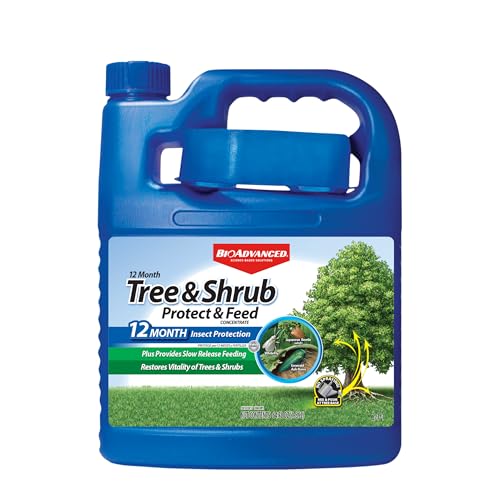
Brand: Bayer Advanced. Features: Kills Japanese Beetles, Emerald Ash Borers, and other listed insects; provides up to 12 months of protection; also acts as a slow-release fertilizer. Best for: Established citrus trees and shrubs that benefit from both pest protection and ongoing nutrition. Caution: Long-lasting products may affect non-target organisms if used improperly; follow label directions for best results.
Fertilome Tree & Shrub Drench

Brand: ferti-lome. Features: Controls a number of insects including aphids and psyllids; designed for outdoor residential use; systemic formula provides up to 12 months of protection. Best for: Home landscapes needing a long-term systemic solution with simple application. Limitation: Check plant tolerance and soil type to ensure optimal uptake and avoid possible root damage on sensitive varieties.
Trifecta Crop Control All-in-One

Brand: Trifecta. Features: Natural solution addressing mites, mildew, and mold; easy-to-use 4 oz makes up to a gallon of spray; safe for most plants with no rinse residue. Best for: Gardeners seeking a natural, broad-spectrum option with easy mixing and application. Caution: While versatile, it may be less targeted for specific citrus pests compared to dedicated citrus insecticides.
BioAdvanced 3-in-1 Fruit, Citrus & Nut Tree Spray

Brand: Bayer Advanced. Features: Kills listed insects, controls diseases, and controls mites with a single application. Best for: Gardeners who want an in-season spray that targets multiple threats at once. Limitation: This is a ready-to-spray product; ensure compatibility with spray equipment and plant spacing for effective coverage.
Buying Guide: Systemic Insecticides For Citrus Trees
- What is a systemic insecticide? A systemic insecticide is absorbed by the plant and travels through its tissues, offering protection from within. This can reduce surface residue and improve coverage in dense canopies often found in citrus trees.
- Key pests to target: Asian Citrus Psyllid, leafminers, aphids, whiteflies, psyllids, and scale insects are common citrus pests that respond to systemic products.
- Duration of protection: Most products provide protection for 2 months, while some offer season-long or up to 12 months of control. Choose based on your pest pressure and maintenance routine.
- Crop compatibility: Check list of edible crops and the specific citrus varieties. Some products cover a broad range (fruits, vegetables, herbs), while others focus on citrus and nearby ornamentals.
- Application method: Options include pour-at-base (soil drench) and ready-to-spray formulations. For trees with limited root zones, a soil drench can maximize uptake while minimizing foliar exposure.
- Environmental considerations: Avoid overuse near beneficial insects and sensitive pollinators. Always follow label directions for application intervals and withholding periods if applicable.
- Safety and handling: Use protective gear as recommended by the label. Store away from children and pets and dispose of containers per instructions.
Frequently Asked Questions
- Do systemic insecticides harm beneficial insects? When used as directed, they target specific pests and minimize harm to many beneficial insects. However, some products can affect non-target organisms if misapplied. Always follow label directions.
- Can these products be used on edible crops? Many are formulated for edible gardening, but verify crop compatibility on the label before use.
- How long do I need to wait between applications? Wait times vary by product; some provide season-long protection after one application, while others require reapplication every 2–3 months depending on pest pressure.
- Are soil drenches better than foliar sprays for citrus trees? Soil drenches ensure systemic uptake through the root system, which can reduce canopy spraying. Foliar sprays may be needed for rapid knockdown in some pest scenarios.
- What should I consider for container-grown citrus trees? Containers may require more frequent reapplications due to faster nutrient and water cycles. Choose products suitable for container use and follow label spacing.
- Is a long-acting product always better? Longer protection reduces frequent applications, but ensure it does not adversely affect nearby vegetation or soil organisms. Consider your overall garden plan and pest dynamics.