Find reliable trees that flourish in USDA Zone 6 with this carefully selected lineup. These picks suit backyard orchards, shade, and decorative landscaping, emphasizing cold-hardiness, drought tolerance, and soil adaptability. Ideal buyers include home gardeners seeking fruit production, small-space landscapers wanting ornamental color, and anyone planting a resilient addition to a Zone 6 yard.
| Product | Best For | Why It’s a Fit |
|---|---|---|
| Chicago Hardy Fig – 1 Gallon | Fruit lovers and low-maintenance growers | Cold-hardy, productive, sun-loving, adaptable to many soils. |
| Weeping Willow | Shade and visual impact | Graceful, fast-growing deciduous tree with cascading branches. |
| Red Delicious Apple Tree | Fresh fruit in the yard | Classic cultivar, deciduous fruit tree suited for Zone 6 climates. |
| Electric Pink Passion Crape Myrtle | Colorful focal point and seasonal blooms | Compact dwarf form with vibrant pink flowers and striking foliage. |
| Crabapple Tree Saplings | Small orchard or container growing | Hardy, versatile for yard or container cultivation. |
Chicago Hardy Fig – Includes Planting Kit (1 Gallon)

The Chicago Hardy Fig is noted for cold tolerance, thriving in USDA zones 5–10, and producing medium-sized, sweet figs. It is a prolific fruiter and low-maintenance, performing well in full sun and adapting to various soils. Best for growers who want a reliable fruiting fig with minimal care once established.
Who it’s best for: home gardeners seeking a hardy, productive fig that can handle cooler Zone 6 conditions, with a convenient planting kit included. Caution: figs may require protection during occasional severe freezes in harsher Zone 6 winters.
Weeping Willow, Deciduous, Fast-Growing, Shade Tree

This weeping willow offers graceful, cascading branches and a rapid growth rate, providing immediate shade. It tolerates a range of soils and thrives best in moist, well-drained conditions. Best for landscapes needing a dramatic vertical accent and cooling shade in Zone 6 yards.
Who it’s best for: buyers wanting a fast screen or standout ornamental tree. Caution: may require regular pruning to manage size and ensure structural integrity in windy areas.
Red Delicious Apple Tree, Deciduous, 1 Gal

The Red Delicious Apple is a classic fruit-bearing option, featuring sweet, crisp flesh and a familiar red appearance. The plant ships as a small tree ready for planting, suited for Zone 6 with adequate sun and well-drained soil. Best for home orchards seeking reliable, traditional eating apples.
Who it’s best for: fruit enthusiasts who want a recognizable apple variety in a small-to-moderate footprint. Caution: shipping restrictions apply to certain states; check local regulations before ordering.
Electric Pink Passion Crape Myrtle — Southern Charm

The Electric Pink Passion Crape Myrtle is a compact, dwarf variety that matures 6-8 feet tall and wide. It showcases vibrant hot pink clusters and red-tinged new foliage, delivering year-long visual impact in Zone 6 landscapes. Best for striking hedges or a bright focal point in smaller gardens.
Who it’s best for: gardeners desiring bold color and a manageable size. Caution: bloom timing can vary with heat and moisture; plan for consistent watering in dry spells.
Crabapple Tree Saplings – 3 Live Trees
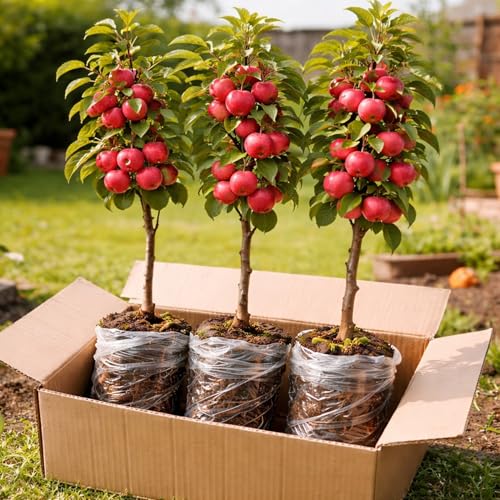
Crabapple trees are hardy, adaptable, and suitable for Zone 6 gardens. This pack includes three live saplings ready for planting in sun and well-drained soil. They can be grown in the yard or containers, producing ornamental blossoms and eventual fruit for years to come.
Who it’s best for: backyard orchards, mixed-species landscapes, or container growers seeking hardy fruiting ornamentals. Caution: trees ship dormant, so there will be no visible growth or fruit immediately after arrival.
Buying Guide: Zone 6 Tree Purchase Considerations
- Climate compatibility: Look for cold-hardiness ratings that align with Zone 6 winters and spring/frost patterns.
- Sun and soil needs: Most fruiting trees prefer full sun and well-drained soil; ornamental trees may tolerate more variability.
- Size at maturity: Consider ultimate height and width to ensure adequate space and avoid conflicts with utilities or structures.
- Maintenance requirements: Some varieties are low maintenance after establishment; others may need pruning or seasonal care.
- Shipping and availability: Some listings show state shipping restrictions; verify eligibility for your location before purchase.
- Fruit timing and use: Choose varieties whose fruiting schedule aligns with your harvest goals (fresh eating, canning, dessert).
Practical Buying Tips
- When choosing fig trees, consider extra protection in late winter; figs can be sensitive to severe freezes.
- For fast shade, combine a Weeping Willow with a dwarf crape myrtle in a layered landscape.
- Crabapple and Red Delicious saplings provide early-season blossoms and late-season fruit potential; plan pollinators and spacing accordingly.
Frequently Asked Questions
- What trees are best for Zone 6 climates? – Trees labeled as cold-hardy and rated for Zone 6 or lower typically perform best in Zone 6 with regular winter chill and seasonal changes.
- Do fruit trees require cross-pollination? – Some fruit trees need cross-pollination to set fruit; check specific cultivar requirements for apples and crabapples.
- Can ornamental trees substitute for fruit trees? – Ornamental trees offer beauty and shade but may not provide edible fruit; combine types to maximize yard value.
- Are there shipping restrictions I should be aware of? – Yes, certain states limit shipments of live trees; review the seller’s notes before purchasing.
- How much care do these trees need after planting? – Most require regular watering and some pruning; established trees benefit from annual maintenance to maintain shape and fruit quality.
- How soon can I expect fruit from these trees? – Fruit timing varies by species: figs may begin producing in a couple of years if established, apples and crabapples typically take 2–4 years depending on rootstock and growth conditions.