Choosing trees for USDA Zone 8b means balancing winter tolerance with spring bloom and overall garden impact. The top picks below are selected for Zone 8b-friendly performance, easy growing habits, and eye-catching appeal. They suit landscape borders, patios, and shading needs, with options ranging from flowering spring beauties to evergreen structure. Each entry notes the ideal buyer type and why it stands out in Zone 8b gardens.
Overview table: Selected trees for Zone 8b
| Product | Best For | Why It Stands Out |
|---|---|---|
| Purple Pink Redbud Tree Live Plant | Color-loving gardeners with moderate space | Bright early-spring blossoms; adaptable across zones 4–9 |
| Eastern Redbud Tree Live Plant | Early-season bloom enthusiasts | Classic redbud charm; reliable, low maintenance |
| Pygmy Date Palm | Small-space patios and containers | Tropical look, drought tolerance, year-round interest |
| Eastern Redbud Live Plant | Shade gardens and understory plantings | Compact form with heart-shaped foliage and blooms |
| Night Blooming Jasmine | Fragrance-focused landscapes | Nocturnal blooms; strong scent in warmer evenings |
Cold Hardy Purple Pink Redbud Tree Live Plant

This Redbud cultivar is noted for vibrant purple-pink blooms in early spring, adding a striking splash of color to a Zone 8b landscape. It is suitable for zones 4–9, making it a versatile choice for temperate climates that experience cool winters and mild springs. Best for gardeners seeking standout spring color without high maintenance.
Best for: Color-focused borders and small group plantings. Why selected: Reliable bloom and broad hardiness range help ensure flowering in Zone 8b’s climate. Caution: As with many Redbuds, protection from extreme late frosts supports better flowering years.
Eastern Redbud Tree in Quart Pot
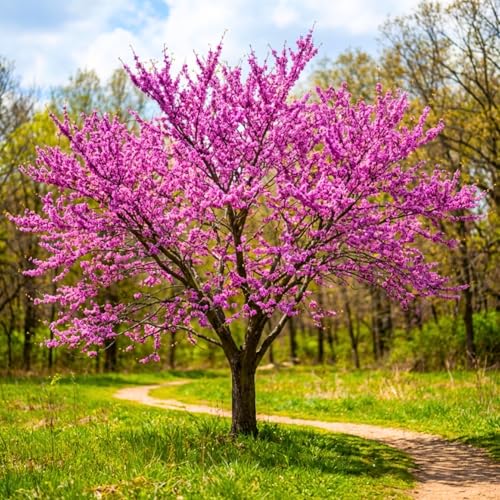
Eastern Redbud is a classic choice for spring interest, with early blossoms and heart-shaped foliage that brighten shade and partial-sun spots. This cultivar is suitable for USDA zones 4–9 and adapts well to garden or container planting. It’s a strong option for entry-level landscapers who want reliable growth with modest space needs.
Best for: Shade or semi-shade gardens and beginner-friendly landscapes. Why selected: Easy transplant potential and reliable spring displays. Caution: Bare roots or young plants may need steady moisture during establishment.
Pygmy Date Palm – Phoenix Roebelenii

The Pygmy Date Palm offers a tropical look with feathery fronds and a slender trunk, suitable for containers or small landscapes. It is drought-tolerant and relatively low maintenance, making it a practical choice for Zone 8b gardens that want year-round structure and a touch of exotic appeal. Note: California restrictions may apply, which should influence purchase decisions for some buyers.
Best for: Small patios, entryways, and container gardens. Why selected: Combines visual impact with manageable care. Caution: Availability may be restricted in certain states; verify shipping eligibility before purchase.
Eastern Redbud Tree Live Plant (Dormant)

This live Redbud offers a dormant-to-dormant cycle with winter hardiness and the promise of spring color. It performs well in Zones 4–9 and is suitable for gardens that emphasize seasonal transition. Best for buyers who want a reliable seasonal display with minimal winter attention.
Best for: Seasonal color in mixed borders or understory plantings. Why selected: Consistent bud break and growth in Zone 8b. Caution: Dormant shipments may arrive with limited visible growth and require careful acclimation upon planting.
Night Blooming Jasmine Live Plant

Night Blooming Jasmine thrives in zones 8b–11 with fragrant, nocturnal blossoms that perfume gardens at dusk. It’s a robust climber or vine for warmer nights and can add a tropical fragrance to patios and trellises. Best for fragrance-focused landscapes that enjoy late-day scent. Caution: Growth can be vigorous; provide support and regular pruning to manage spread.
Buying Guide: Zone 8b Tree Buying Considerations
What to consider before buying
Sun exposure, soil type, and mature size determine how well a tree will fit your yard. Zone 8b gardeners should plan for mild winters and warm summers when selecting flowering trees and drought-tolerant options.
Plant form and growth habit
Decide between evergreen, deciduous, compact, and large-screen types based on space, desired year-round structure, and surrounding plants.
Blooms, fragrance, and seasonal interest
If spring color is a priority, Redbuds and similar flowering trees offer standout petals. For fragrance, Night Blooming Jasmine provides a strong evening scent, especially in warmer evenings.
Maintenance and care
Look for low-maintenance choices if you want minimal pruning and watering. Consider drought tolerance and soil drainage to ensure healthy establishment and growth.
Container vs. landscape planting
Smaller trees like the Pygmy Date Palm work well in containers, while others perform best planted in the ground for long-term stability and growth.
Location considerations
Place taller trees where they won’t shade prized perennials and ensure there is enough space for the anticipated mature width. Consider proximity to structures for root safety and air circulation.
Frequently Asked Questions
- Which tree is best for a small Zone 8b yard?
Consider compact forms like the Pygmy Date Palm or smaller Redbud cultivars that stay manageable in size. - Do Redbuds tolerate full sun in Zone 8b?
Yes, many Redbud varieties tolerate full sun, but some shading can improve bloom longevity and leaf color in hotter afternoons. - Are tropical-looking palms suitable for Zone 8b winters?
Many palm varieties, including the Pygmy Date Palm, tolerate Zone 8b’s mild winters, but winter protection may be beneficial in colder spells. - Which plant provides fragrance at night?
The Night Blooming Jasmine releases fragrance in the evenings, especially on warm nights, offering a nocturnal scent experience. - Can these trees be grown in containers?
Some species adapt well to containers, notably dwarf or pygmy forms; ensure adequate root space and proper drainage. - What maintenance should I expect during establishment?
Consistent water at planting, protection from extreme cold, and mulching help establish roots and minimize stress.