If you’re laying artificial turf, the right underlayment helps keep weeds down, improve drainage, and extend the life of the lawn. These landscape fabrics and mats are chosen for durability, permeability, and strength. This guide highlights five well-suited products for artificial-grass projects, explaining who each is best for and why. Below is a quick buyer’s table to compare core specs and uses at a glance.
| Product | Size | Material Type | Best For | Notable Advantage |
|---|---|---|---|---|
| Happybuy Driveway Fabric | 13 ft x 108 ft | Woven PP, 5 oz | Large areas, driveways, gravel bases | 600 lbs tensile strength |
| GRASSCLUB 4×100 Weed Barrier | 4 ft x 100 ft | Woven PP, 3.2 oz | Garden beds, small-to-medium projects | Good balance of strength and flexibility |
| Grenebo 4×100 Weed Barrier | 4 ft x 100 ft | Non-woven fabric | Plant beds, clean cuts, easy to customize | Fray-resistant and breathable |
| HongWay 2.6×100 Weed Barrier | 2.6 ft x 100 ft | Woven PP with UV protection | Long, narrow runs, vegetable plots | Includes 40 stakes for securing |
| Whitecap Dimple Drainage Matting | 4 ft x 50 ft | HDPE drainage membrane | Crawl spaces, basements, underlayment | Continuous air gap for water flow |
Buyer’s note: For artificial grass, prioritize high permeability to prevent water pooling, strong puncture resistance for wheel loads, and easy installation for precise edging. The products below cover a range of project sizes and needs, from broad driveways to compact garden beds.
Happybuy Driveway Fabric: Heavy Duty Underlayment
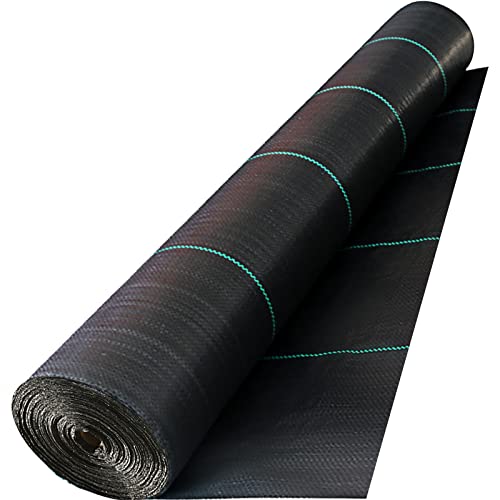
Overview: This 5-ounce high-density woven PP landscape fabric provides a large 1415 square foot coverage with a 13 ft by 108 ft footprint. It’s designed to adapt to uneven surfaces, making it suitable for driveways, gravel bases, and broad garden installations. The fabric’s 600-lb tensile strength helps resist tearing under load, improving surface stability when you add gravel or stones above it. This makes it a strong choice for underlayment under artificial turf in larger outdoor spaces.
Best for: Big grid projects and high-traffic outdoor spaces where heavy loads or vehicles may be present. It’s a solid pick when you need long runs without seams and want robust protection against weed growth while keeping soil moist and breathable.
Why selected: Combines high strength with durable UV resistance and good compatibility with gravel bases. The wide, long roll minimizes seams and offers straightforward installation for larger artificial grass areas.
Caution: The long run may require cutting and securing to irregular surfaces; ensure edges are properly pegged to prevent movement in wind or heavy use.
GRASSCLUB 4ft x 100ft Weed Barrier

Overview: The GRASSCLUB fabric uses 3.2 oz high-density woven PP material. It’s designed to block weeds effectively while maintaining soil permeability to air and water. It’s a practical fit for edging artificial turf where you want controlled weed growth without sacrificing drainage.
Best for: Garden beds, pathways, and smaller artificial lawn zones where easy cutting and precise edging are helpful. It’s a reliable all-around barrier that balances weed suppression with water infiltration.
Why selected: Durable yet flexible enough to cut to fit around curves and edges. Its strength supports stable soil beneath artificial turf and helps maintain a clean, uniform base over time.
Caution: Might require additional anchoring in windy areas; ensure proper pegging for long-term stability.
Grenebo Weed Barrier 4×100

Overview: Grenebo’s 4 ft by 100 ft non-woven fabric focuses on efficient weed suppression with enhanced airflow and water permeability. The fray-resistant design helps keep edges clean during cutting, which is valuable when shaping a base for artificial grass.
Best for: Garden beds and lawn margins where fray resistance and clean cuts matter. If you want a breathable barrier that preserves soil texture while blocking sunlight to weeds, this is a solid option.
Why selected: Non-woven construction often offers better soil respiration and reduced compaction than some woven fabrics, which can benefit root zones under the turf base during installation and operation.
Caution: Non-woven fabrics may require more careful handling to avoid tearing on folds; plan cuts precisely to minimize waste.
HongWay Weed Barrier 2.6×100

Overview: This product offers a compact 2.6 ft by 100 ft roll, with UV-protected woven PP and included 40 U-shaped stakes. It’s tailored for long runs and smaller to mid-sized turf projects, making installation straightforward along edges and borders.
Best for: Narrow strips or mid-length sections of artificial turf where you want reliable weed control without excessive fabric width. The included stakes simplify securing across irregular ground.
Why selected: The stakes reduce installation time and help keep the fabric flat, reducing lift and shifting under wind or foot traffic. Its UV protection helps prolong durability outdoors.
Caution: The narrower width may require more seam handling for large areas; plan for seams in areas with heavy use.
Whitecap Dimple Drainage Matting
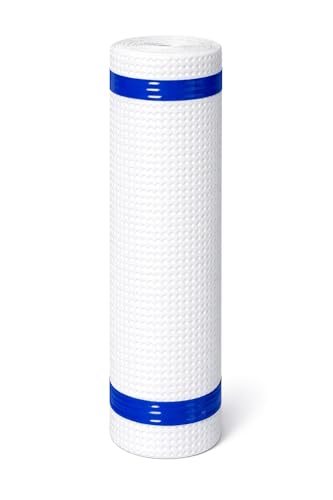
Overview: Whitecap Dimple Drainage Matting is a heavy-duty drainage membrane designed to improve water flow and protect vapor barriers in damp environments. The raised dimple design creates a continuous air gap that directs moisture toward drains, a feature that can help keep artificial turf bases drier and more stable over time.
Best for: Sub-surface under artificial turf installations in areas prone to moisture buildup, crawl spaces with turf near moisture sources, or basements with damp ground contact where a vapor barrier is involved.
Why selected: It improves water flow and reduces standing moisture, which supports turf base stability and longevity in challenging moisture conditions. It also adds a durable buffer against punctures and wear.
Caution: This matting is primarily a drainage layer; it’s not designed to replace weed barrier on top of soil. Plan layering accordingly when building the turf base.
Buying Guide: Key Considerations For Underlayment And Artificial Grass
What level of permeability do I need?
Permeability ensures water and air reach plant roots and the soil beneath the turf. For artificial grass installations, choose fabrics with high water and air passage to prevent pooling and to support a healthy underlying substrate.
How thick should the fabric be?
Thicker fabrics (higher oz weight) typically offer greater tensile strength and weed suppression but may be less flexible for shaping tight curves. Balance strength with ease of cutting and installation for your project size.
Is non-woven or woven better for turf bases?
Non-woven fabrics often provide better soil breathability and edge fray resistance, while woven fabrics can offer superior load-bearing capacity. For turf installations with gravel or stone bases, consider woven options with high tensile strength; for soil-based underlayment, non-woven can be advantageous.
What about edge securing and anchoring?
Secure fabric with stakes or pegs, especially in windy areas or along large edge runs. Many products include stakes, or are compatible with standard garden pegs, which simplifies installation and reduces shifting over time.
What are the practical limits of each product?
Wide, heavy-duty fabrics are ideal for large driveways and expansive lawns; narrower, lighter fabrics work well for garden beds and border sections. Consider your overall area and how seams will affect weed control and drainage.
How do these underlayment products interact with artificial grass?
Underlayment fabrics primarily serve weed suppression and base stabilization. When used under artificial grass, ensure proper leveling, cushioning, and drainage design. Some products emphasize drainage mats that protect vapor barriers, which can be beneficial in moisture-prone installations.
How many products should I compare?
Compare at least three options that align with your area, load expectations, and installation complexity. Then weigh the fabric’s strength, permeability, and edge-management features to pick the best fit for your turf project.
FAQ
- Q: Can I use any weed barrier under artificial grass? A: You can, but prioritize non-fray, permeable fabrics with adequate tensile strength to support the base and prevent weed growth without impeding drainage.
- Q: Do I need a drainage mat with turf? A: A drainage mat helps channel moisture away from the base and can protect vapor barriers in damp areas, improving longevity.
- Q: How wide should the underlayment be for a large lawn? A: Wider rolls reduce seams and provide more uniform coverage. For very large areas, heavy-duty woven fabrics may offer better long-term stability.
- Q: Are stakes necessary? A: Yes, securing the fabric reduces movement and waviness, especially along edges or slopes, and helps maintain a flat turf surface.
- Q: Is non-woven better for garden beds under turf? A: Non-woven fabrics often offer better soil breathability and easier cuts, which can be advantageous for garden-bed bases supporting turf.