Looking for untreated cedar raised beds that are durable, chemical-free, and easy to assemble? This guide highlights cedar options that suit beginners and seasoned gardeners alike, with a focus on models that are untreated and North American or Western Red Cedar. Ideal for vegetables, herbs, and flowers, these beds minimize bending and maximize growing space. The top picks include various sizes and configurations to fit porches, patios, or larger backyards.
Summary table of chosen products:
| Product | Best For | Approx. Size | Notes |
|---|---|---|---|
| Greenes Fence Original Cedar Elevated Garden Bed | Small spaces, easy access | 24″ W x 48″ L x 31″ H | Untreated North American Cedar |
| Greenes Fence Classic Cedar Raised Garden Bed (2×8) | Vegetables and herbs, medium yard | 2′ x 8′ x 10.5″ | Tool-free dovetail assembly |
| Greenes Fence Classic Cedar Raised Garden Bed (2×4) | Compact patches, herbs | 2′ x 4′ x 10.5″ | Untreated cedar |
| Greenes Fence Premium Cedar Raised Garden Bed (2×4, 2-pack) | Multiple beds, extended setup | 2′ x 4′ x 10.5″ | 3/4″ thick boards |
| Infinite Cedar Select Cedar Raised Garden Bed (4×8) | Large plots, deep soil | 4′ x 8′ x 17.5″ | 100% Western Red Cedar |
Greenes Fence Original Cedar Elevated Garden Bed

Best for: gardeners who want easy access with minimal bending and a compact footprint. Why selected: This raised bed uses untreated North American cedar and is made in the USA, offering a sturdy, chemical-free growing zone for vegetables, herbs, and flowers on balconies or patios. Caution: Height may affect some shorter users; consider stool or kneeling pad for long sessions.
Greenes Fence Classic Cedar Raised Bed 2×8
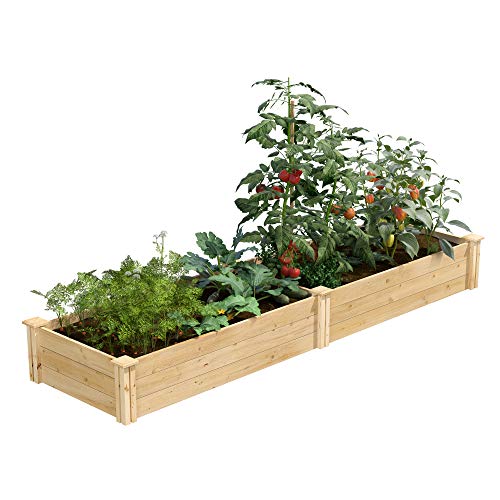
Best for: medium-size vegetable patches and herb gardens. Why selected: Built from untreated American cedar with a tool-free dovetail assembly system, it features a 10.5-inch soil depth for robust root growth. Caution: Assembly relies on the dovetail system; misalignment can slow setup.
Greenes Fence Classic Cedar Raised Bed 2×4

Best for: small garden corners or herb clusters. Why selected: The 2×4 size provides a manageable growing area with the same solid cedar construction and 10.5-inch depth that supports diverse plants. Caution: Smaller footprint may limit high-yield crops without careful planning.
Greenes Fence Premium Cedar Raised Bed 2×4 (2-Pack)
Best for: multi-bed setups or projects needing consistent bed color and depth. Why selected: 3/4″ thick boards and dovetail joints offer enhanced durability and a uniform look when deploying multiple beds. Caution: Two-pack requires more space and assembly time than a single unit.
Infinite Cedar Select Cedar Raised Garden Bed 4×8

Best for: larger backyards or serious vegetable plots. Why selected: Made from 100% natural Western Red Cedar with rot-resistant properties, featuring strong corners and straightforward assembly. Caution: Larger footprint requires adequate space and stable surface for setup.
Maple99 Raised Garden Bed With Legs

Best for: ergonomically oriented gardening with elevated height to reduce bending. Why selected: Cedar construction with 30-inch legs and a bed liner supports accessible planting and clean drainage. Caution: Check load capacity and ensure the legs are on a stable, level surface to prevent wobbling.
Buying Guide: Key Considerations For Untreated Cedar Raised Beds
- Material Quality: Look for 100% untreated North American cedar or Western Red Cedar. Cedar naturally resists rot and insects, providing a longer lifespan without chemical treatments.
- Size And Depth: Choose bed depth based on crop needs. Deeper beds (around 10–12 inches) support deeper-root vegetables; wider beds help with companion planting.
- Assembly Style: Tool-free dovetail systems speed setup and help maintain sturdiness; verify corner posts are reinforced for long-term stability.
- Height And Accessibility: Elevated beds reduce bending and back strain. Consider your standing height and preferred gardening posture when selecting height.
- Durability And Maintenance: Some cedar beds can age naturally and fade; unfinished cedar can be painted or stained if you want color or extra protection.
- Expansion Options: If you anticipate growing more, look for modular designs or multi-bed kits, especially when space allows.
- Placement And Drainage: Ensure good drainage and sun exposure. Raised beds above soil grade improve drainage and soil control in damp climates.
- Care And Longevity: Regularly inspect corners and joints. Though cedar is durable, hardware like bolts and posts should be checked for loosening over time.
FAQ
- Q: Are untreated cedar beds safe for edible plants?
- A: Yes. Cedar is a natural, chemical-free material used for gardening; just ensure joints and boards are free of coatings you don’t want near edible crops.
- Q: How long do cedar raised beds last without treatment?
- A: Longevity depends on climate and care, but cedar’s natural rot resistance can provide many growing seasons with proper drainage and level placement.
- Q: Do cedar beds require sealing or painting?
- A: It’s optional. You can leave cedar unfinished to age naturally, or seal/paint if you prefer a color or extra moisture resistance.
- Q: Which cedar bed is best for beginners?
- A: A compact 2×4 or 2×8 cedar bed with tool-free assembly is typically easiest for beginners to assemble and manage.
- Q: Can I DIY expand an existing cedar bed?
- A: Yes, many cedar systems offer modular options that let you add panels or connect multiple beds for larger plots.