When choosing a pond dye, the key is selecting a product that adds color, limits sun exposure, and remains safe for fish and wildlife. This guide highlights colorants that suit different pond sizes, climates, and aesthetic goals. It helps homeowners, landscapers, and pond enthusiasts decide which dye is best for their water features. The top picks below are chosen for clear labeling, practical application, and safety considerations.
| Product | Best For | Approx. Size | Notes |
|---|---|---|---|
| Airmax Nature’s Blue Pond Dye 4X Concentrate | Small to medium decorative ponds | 1 Quart | Shade and color with sun protection benefits |
| Blue Lake and Pond Dye – One Gallon | Larger ponds/lakes | 1 Gallon | Long-lasting blue color, safe for wildlife |
| CrystalClear PondTint Colorant | Chic water gardens and koi ponds | Varies | High concentration, year-round use |
| Midnight Blue Pond Dye Packets | Budget-friendly small to mid ponds | 6 packets | No-mess water-soluble, UV protection |
| Airmax Pond Dye Plus | Large ponds and lakes needing depth illusion | 1 Gallon | Colorant plus beneficial bacteria |
Note: All products are offered in variations of blue to deep blue hues, designed to blend with typical American landscaping and pond setups. Use as directed to avoid over-darkening or localized staining. Always follow safety guidelines when applying near fish, wildlife, or plants.
Airmax Nature’s Blue Pond Dye 4X Concentrate

Features include shade and protection for pond water by reducing sunlight exposure, which helps slow weed growth and algae. The product is available in shades that contrast with green landscaping, including Nature’s Blue, Black DyeMond, and Twilight blends. Best for small to medium ponds where a visible yet natural blue hue is desired. The dye is easy to apply as a liquid, making it suitable for DIY pond care. A potential limitation is that color intensity can vary with sun exposure and water flow, requiring occasional reapplication.
Who it’s best for: Homeowners with decorative ponds seeking a natural blue tint without harsh effects on fish. Choose this if you want quick color enhancement and UV protection for a season-long display.
Warning: Do not over-apply; excessive dye can reduce photosynthesis for submerged plants beyond recommended levels.
Blue Lake And Pond Dye – One Gallon
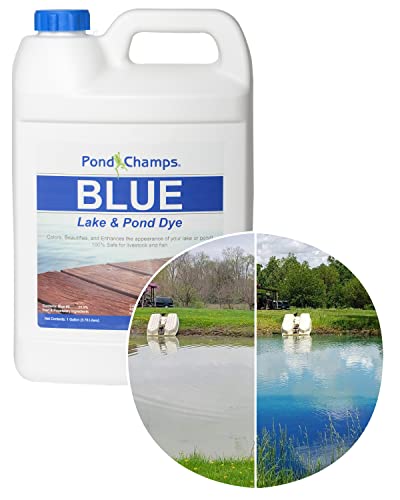
Designed to enhance pond aesthetics with a deep, lasting blue color. The product is marketed as safe for fish, wildlife, pets, and children, making it suitable for homes near families or urban wildlife. It’s a strong choice for larger ponds that require extended color stability and a consistent blue appearance. A limitation is that very high water turnover or strong inflows may dilute color faster, necessitating dormancy planning for color maintenance.
Who it’s best for: Pond owners with larger water features seeking vibrant, long-lasting color that complements natural surroundings without harming aquatic life. Choose this if you need a reliable, enduring blue hue for expansive ponds.
Tip: If your pond has high irrigation or waterfall flow, plan applications around the anticipated dilution rate to keep color uniform.
CrystalClear PondTint Colorant

CrystalClear PondTint is a highly concentrated blue dye designed to suit koi ponds, water gardens, and a variety of water features. It offers quick, even distribution when poured directly into the pond, especially near aerators or waterfall bases. The formula indicates one ounce treats up to 1,000 gallons, enabling efficient coverage for medium to large features. Use gloves to prevent skin discoloration during handling. Year-round use is possible to maintain the desired color level.
Who it’s for: Pond owners who want a straightforward, year-round color maintenance product that works well with koi and water gardens. Choose this if you prioritize easy application and predictable dosing per gallon.
Note: Avoid skin contact by wearing gloves; dilution is important to prevent over-darkening in shallow areas.
Midnight Blue Pond Dye Packets

These water-soluble dye packets are designed for easy, mess-free use. Midnight Blue color provides UV protection and depth perception to your pond. The packaging states 6 packets treat up to 2 acres or up to 6 feet deep for one month and 2 months for shallower depths, making them practical for seasonal color adjustments. Best for budget-conscious users or those who prefer pre-measured dosing. A limitation is that packets can be less convenient for irregularly shaped ponds or variable depths where uniform distribution is harder to achieve.
Who it’s for: Budget-minded enthusiasts who want predictable dosing with minimal mixing and quick color changes. Choose this if you need a simple, temporary color boost without measuring liquids.
Airmax Pond Dye Plus

Airmax Pond Dye Plus combines a color-enhancing dye with Liquid PondClear beneficial bacteria to improve water clarity and hue simultaneously. This makes it a practical option for large ponds and lakes where color and clarity both matter. The dye offers a neutral blackish-blue or deep blue tint that reduces sun exposure and enhances the water’s depth appearance. The dual action—color and bacteria—appeals to owners seeking a two-in-one solution, but users should consider the timing of bacterial application in relation to aeration and feeding cycles.
Who it’s for: Large-pond owners who want a combined dye and bacteria treatment to improve color and reduce muddiness. Choose this if you need stronger visual depth and a clarifying effect at the same time.
Buying Guide: Key Purchase Considerations
What size is your pond and how quickly do you need color?
Smaller ponds commonly benefit from quart to gallon containers with vibrant color over shorter durations. Larger lakes usually require gallons or packets designed for extended color and durability. Consider your watering pattern and turnover rate when estimating how often to reapply.
Which color and depth are you aiming for?
Blue hues create a reflective surface that mirrors surroundings, while darker blues give the illusion of depth. If you want a natural look that blends with greenery, lighter blues may be best. For dramatic effect, consider deeper tones like blackish-blue.
Will you pair dye with other treatments?
Some products include beneficial bacteria to improve clarity and reduce debris. If you plan to use a combined product, ensure it works well with your filtration, aeration, and feeding schedule. Separate dosing may be necessary for separate treatments.
Safety and environmental considerations
Look for formulations that are safe for fish, wildlife, pets, and children. Avoid over-application to prevent excessive shading that could hinder plant or algae activity required for balance in the water ecosystem.
Application and maintenance routines
Liquid dyes offer quick distribution, while powders or packets provide pre-measured doses. Maintain a regular schedule to keep color consistent with sunlight and water movement. Always wear protective gloves when handling concentrates or powders.
Cost and long-term value
Consider total cost per application, including bottle size, frequency of reapplication, and whether a dye includes an added clarifier or bacteria. For large ponds, one gallon can last longer but may require more even distribution across zones.
FAQ
- Is pond dye safe for fish? Yes, most pond dyes sold for residential use are formulated to be safe for fish and wildlife when used as directed.
- How often should dye be reapplied? Reapplication depends on sunlight, water movement, and the color intensity you desire. Follow the product’s dosing schedule and observe pond color in different lighting.
- Will dye affect pond plants? Excessive shading can impact submerged plants. Do not over-apply; maintain balanced light exposure for plant health.
- Can I use dye with a pond aerator? Yes, aeration helps distribute dye evenly. Apply near aerators or waterfalls to promote uniform coloring.
- What if the color fades too quickly? Consider higher concentration, a larger container, or a slower dilution rate due to water turnover. Reapply as needed according to product guidance.
- Are all dyes the same color? No. White, blackish-blue, and pure blue shades are common; choose based on your aesthetic goals and pond surroundings.