Answer: For koi and ornamental ponds, a pressurized or multi-stage filtration system with integrated lighting or UV clarifiers delivers the best balance of mechanical and biological filtration, ease of maintenance, and reliable water clarity. This guide highlights five well-rounded options suitable for small to medium ponds, including koi setups and ornamental ponds, along with who each product is best for and any important limitations. Use the quick comparison table below to decide which model fits your pond size, filtration needs, and maintenance preferences.
| Product | Best For | Capacity (Gal) | Notable Feature |
|---|---|---|---|
| VIVOHOME Pressurized Biological Pond Filter (1580 GPH) | Koi and ornamental ponds up to 1600 gal | Up to 1600 ornamental / 800 koi | Integrated 13W clarifying lamp |
| VIVOHOME Pressurized Biological Pond Filter (1840 GPH) | Larger koi or ornamental ponds | Up to 2100 gal ornamental / 1000 koi | Bio filter with lamps & sponges |
| TetraPond Submersible Flat Box Filter | Smaller to mid-size ponds (250–500 gal) | 250–500 gal | Simple, submersible, easy detach |
| POPOSOAP Pond Filter with Pump Fountain Kit | Small to mid-size ponds with fountain features | Up to ~1180 gal (pump and filter kit) | Integrated pump and fountain kit |
| coospider-repta Pond Filter Kit with UV Options | Ponds up to 1500 gal needing UV and multiple features | Up to 1500 gal | Includes UV light option in kit |
VIVOHOME Pressurized Biological Pond Filter (1580 GPH)
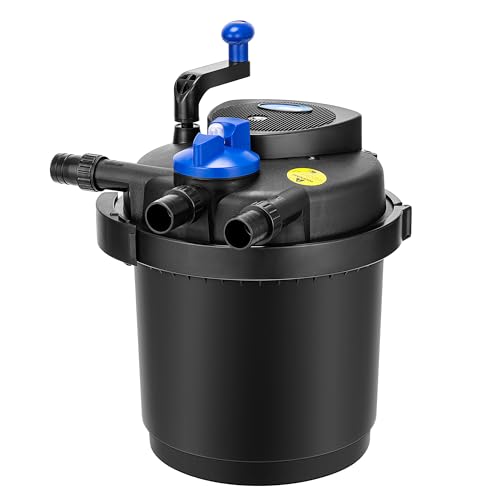
This pressurized filter delivers strong bio-mechanical filtration for koi and ornamental ponds. It supports up to 1600-gallon ornamentals or 800-gallon koi ponds with a maximum flow of 1580 GPH. The system uses a reusable multi-sponge arrangement (two blue 20 PPI and two yellow 25 PPI sponges) and a built-in 13W clarifying lamp to improve water clarity. Easy maintenance includes a backflush via a single control and weekly cleaning as needed. Best for larger ornamental ponds or smaller koi setups that want visible water clarity and straightforward upkeep. Caution: backflushing requires supervision to avoid overflows in tight spaces.
Who it’s best for: Homeowners with mid-to-large ornamental ponds or small koi ponds seeking robust filtration with an active clarifier. Why selected: Combines high flow, integrated clarification, and accessible maintenance in a single unit.
Key considerations
- Pros: High filtration efficiency, integrated lamp, modular maintenance.
- Cons: Requires space for the filter and backflush operation.
POPOSOAP Pond Filter Kit with Pump Fountain (660GPH)

The POPOSOAP kit bundles a 660 GPH pond filter with an energy-efficient, low-noise 660 GPH pump and a fountain feature. It includes a fountain kit with three nozzles for water display and adds oxygenation benefits to ponds up to roughly 1180 gallons. Best for: small to mid-size ponds that want built-in water features without separate kits. Caution: the integrated filter is best for moderate feeding and debris loads; larger ponds or heavy debris may require extra filtration.
Who it’s best for: Garden ponds that value a compact, all-in-one solution with adjustable fountain options. Why selected: Combines filtration and aesthetic water features in one package, simplifying installation.
Key considerations
- Pros: All-in-one design; included fountain kit.
- Cons: May require additional filtration for heavy loads.
TetraPond Submersible Flat Box Filter
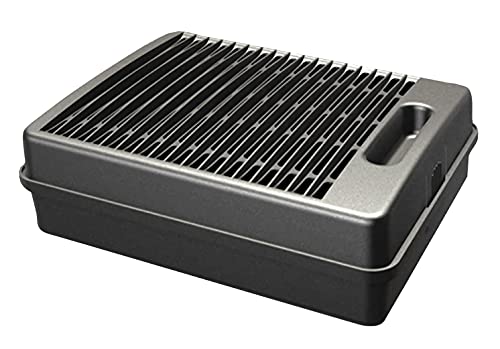
This submersible flat box filter is designed to prevent pump clogs and keep pond water clear. It includes coarse and fine foam pads, tubing, and three hose fittings. The filter is easy to detach and attach to various pump inlets for flexible setup. Best for: smaller ponds or setups needing a simple, maintenance-friendly submersible option. Caution: may require re-fitting if your pump inlet size differs from standard fittings.
Who it’s best for: Pond owners seeking a straightforward, submersible filtration option for up to 500 gallons. Why selected: Reliable basic filtration with simple maintenance and compatibility.
Key considerations
- Pros: Easy to detach; includes necessary accessories.
- Cons: May not handle heavy debris as efficiently as larger pressure filters.
VIVOHOME Pressurized Biological Pond Filter (1840GPH)

Designed for larger koi ponds or expansive ornamental setups, this filter provides up to 1840 GPH and supports up to 2100-gallon ornamentals or 1000-gallon koi ponds. It uses a reusable filtration system with two blue 20 PPI and two yellow 25 PPI sponges plus bio balls, aided by a 13W clarifying lamp for brighter water. Best for: mid-to-large ponds requiring strong filtration and additional biological media. Caution: heavier system that needs secure mounting and proper space planning.
Who it’s best for: Ponds with higher filtration demands or koi habitats needing robust water clarity. Why selected: Higher flow rate and comprehensive filtration are well-suited for larger water bodies.
Key considerations
- Pros: High GPH, built-in clarifier, strong bio filtration.
- Cons: Requires more space and initial setup planning.
Pond Filter Fountain Kit With UV (660 GPH)

This kit includes an 18W UV clarifier to combat green water and a six-layer filtration system for mechanical and biological cleaning. A 660 GPH pump ensures adequate circulation for ponds up to about 1500 gallons. Best for: ponds dealing with algae and needing UV-based control. Caution: UV performance depends on water clarity and lamp lifespan; consider replacement timing for ongoing clarity.
Who it’s best for: Ponds facing algae challenges that also want decorative water features. Why selected: UV clarifier plus multi-layer filtration provides targeted algae control and solid filtration in one package.
Buying Guide: Key Points For Choosing Pond Filters
What pond size and fish load should guide my choice?
Choose a filter rated for at least the pond’s volume plus a buffer for fish load and seasonal growth. Larger koi or heavily stocked ponds benefit from higher GPH and robust biological media.
Pressure vs. gravity-fed vs. submersible—what’s best?
Pressure filters are easier to maintain and backflush. Submersible filters save space but may require more frequent cleaning. Gravity-fed systems leverage natural drainage but need proper setup. Consider space, maintenance, and installation ease when deciding.
Do I need UV clarification or just mechanical filtration?
UV clarifiers reduce green water and algal blooms but require clear water to reach full effectiveness. If algae is a persistent issue, a UV option can be valuable alongside mechanical and biological filtration.
How important is ease of maintenance?
Look for modular components, clear cleaning indicators, and backflush or rinse modes. Detachable lids and color-coded sponges help reduce maintenance time and error.
What about installation space and compatibility?
Measure available space and ensure hose fittings and inlet sizes match your pump and pond plumbing. Some units fit better with in-pond skimmers or with separate bio-media baskets.
Maintenance cadence and parts availability
Plan a maintenance schedule and check for readily available replacement sponges, media, and bulbs. Long-term availability of parts reduces downtime.
FAQ
- What filter should I use for a 1000-gallon koi pond? A high-capacity pressurized filter or a larger biological filtration system paired with a UV clarifier is typically recommended to handle bio-load and maintain water clarity.
- Is UV necessary for pond filtration? UV helps control algae and green water but is not strictly required if your filtration and water circulation already provide clear results.
- Can I run a filter and fountain at the same time? Yes, many kits include a fountain attachment and adjustable flow to run simultaneously, but verify kit capabilities and pump capacity.
- How often should I clean pond filter media? Regular cleaning depends on debris load; backflush or rinse weekly or when flow slows significantly.
- Do I need separate media for biological filtration? Yes, combining mechanical media with bio media (bio balls, dedicated sponges) supports beneficial bacteria and stable water chemistry.
- What maintenance tips maximize filter life? Keep lids sealed, inspect seals for leaks, replace worn media, and avoid overloading with fish during high feeding periods.