When choosing water plants for a fish tank, look for hardy, low-maintenance varieties that support healthy tanks and natural aesthetics. This guide highlights five suitable options for beginners and intermediate hobbyists, focusing on low to moderate light and simple care. These picks are ideal for creating a balanced, visually appealing aquascape while supporting aquarium health.
| Product | Best For | Light Level | Notes |
|---|---|---|---|
| Live Aquarium Plants Bundle – 6 Freshwater Plants | Beginners seeking a mixed natural look | Low to moderate | Easy care varieties |
| Water Spangle (Salvinia Minima) Floating Plant | Surface cover and quick fill-in | Low to medium | Floating; rapid spread |
| Java Fern And Anubias Bundle | Low maintenance decor | Low | Low light tolerant |
| Amazon Sword (Bleheri) Trio | Statement greenery, larger tanks | Low to medium | Requires pruning |
| Canton Aquatics Assorted Mixed Bundle | Versatile placement | Low to high | Varied species |
Live Aquarium Plants Bundle – 6 Freshwater Plants

Best for beginners who want a ready-made starter kit. This mixed pack includes hardy freshwater plants suitable for low-light tanks, reducing algae and helping establish a natural look without complex setup. The variety adds depth and balance to the aquascape, making it ideal for small to mid-sized aquariums.
Who it’s best for: hobbyists seeking an easy, all-in-one solution with reliable performers and a natural, layered appearance. Why selected: simplicity, reliability, and a balanced mix of easy-care plants like Anubias and Java Fern family members.
Caution: some plants may arrive slightly distressed after shipping; give them time to acclimate and trim any damaged growth.
Water Spangle, Salvinia Minima

Best for surface coverage and rapid fill-in of open tank space. Salvinia Minima floats freely, creating a natural mat on the water surface that helps shade deeper plants and reduce light exposure on algae-prone areas. It’s a good choice for low-maintenance tanks with floating plant interest.
Best for: users who want quick visual impact and surface shading. Why selected: adds a floating, low-care element that complements rooted plants.
Caution: temperature sensitivity can affect survival; avoid orders during extreme temperature forecasts though occasional fluctuations are common in live aquatic plants.
Java Fern And Anubias Bundle
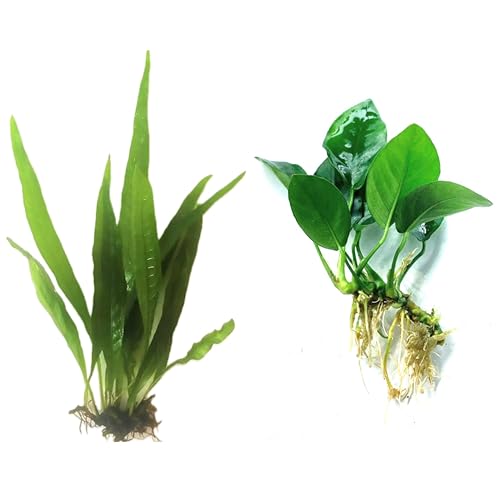
Best for low-maintenance decor in shaded corners of a tank. This bundle pairs an Anubias barteri with a Java fern, both known for thriving with minimal light and without CO2 injection. Ideal for small to mid-sized tanks seeking classic, durable greenery.
Who it’s for: aquarists wanting a classic hardscape look with dependable growth. Why chosen: robust, slow-growing plants that tolerate low light and room temperature variations.
Caution: extreme weather can affect live plant condition; acclimatization helps prevent stress during shipping periods.
Amazon Sword – Echinodorus Bleheri

Best for larger tanks that need a bold focal plant. Echinodorus bleheri grows tall and broad, creating a dramatic underwater forest when paired with shorter foreground plants. Pruning is recommended to maintain light for lower plants.
Best for: aquarists with medium to large tanks who want a striking centerpiece. Why selected: strong growth habit, adaptable to various light conditions, and a classic look.
Caution: may require pruning to prevent shading other plants in dense layouts; monitor light distribution to keep mid- and foreground plants healthy.
Canton Aquatics Mixed Plant Bundle

Best for a versatile, all-around planting strategy. This mixed bundle includes various species grown in Texas facilities, designed to thrive across low to high light without CO2 injection. Suitable for community tanks, shrimp setups, and breeding tanks due to its flexible placement options.
Why chosen: broad light tolerance and ready-to-arrange plant diversity for different aquascapes. Caution: species mix can vary; some plants may require different pruning or trimming schedules to keep the display balanced.
Buying Guide: Key Purchase Considerations
- Light Requirements: Start with plants labeled for low to moderate light if your tank lacks strong lighting. This reduces the need for CO2 and specialized substrates.
- Tank Size and Layout: Choose taller foreground plants for backdrop, mid-height plants for structure, and floating plants to shade and shade-suppress algae.
- Maintenance Level: For beginners, select slow-growing species that tolerate fluctuating conditions and require minimal pruning.
- Water Parameters: Most freshwater plants tolerate a wide range of hardness and pH but check compatibility with your fish community.
- Purchase Freshness: Live plants benefit from quick acclimation; avoid shipping during extreme heat or cold when possible to reduce stress.
- Growth Rate: Fast-growing plants can outcompete algae but may require regular trimming to avoid shading other species.
Frequently Asked Questions
- Do these plants require CO2 injections? Most listed options are low to moderate light and do not require CO2 for basic growth.
- Which plants are best for beginners? Java Fern, Anubias, and Echinodorus Bleheri are commonly recommended for first-time aquarists.
- Can I mix floating and rooted plants? Yes; floating plants like Salvinia Minima help shade the tank and reduce algae growth, while rooted species provide structure.
- How should I acclimate live plants after shipping? Rinse gently, trim damaged leaves, and introduce them gradually to aquarium water to reduce shock.
- Are these plants safe for shrimp and small fish? Most listed plants are compatible with peaceful community tanks, but always verify species-specific needs and potential toxins in your setup.
- What maintenance is required after planting? Regular pruning of taller plants, removing dead leaves, and monitoring nutrient levels promote long-term health.