Answering the common search query for raised-bed waterproofing, these membranes provide durable barrier protection against leaks and soil moisture loss. Best for gardeners seeking long-lasting liners, simple installation, and reliable performance in outdoor beds. The top picks include EPDM and HDPE options that suit raised beds, planters, and garden ponds. The buyer can choose based on flexibility, thickness, and ease of installation. Below is a quick summary to compare the five selected products.
| Product | Best For | Material & Thickness | Installation Note | Caution |
|---|---|---|---|---|
| HSS EPDM Waterproofing Membrane EasyStick | Best for long-term raised beds needing a self-adhesive, robust membrane | EPDM, 52 Mil | Self-adhesive sheet rolls | Ensure proper surface prep for adhesion |
| LEISULIF 45 Mil EPDM Liner | Best for durable, weatherproof raised beds | EPDM, 45 Mil | Flexible, easy to cut to size | Handle edges carefully to prevent tears |
| MYOYAY 24 Mils Shower Membrane | Best for budget-friendly, flexible underlayment | Polyethylene membrane, 24 mils | Roll form, easy to cut | Not designed specifically for long-term soil contact |
| Whnoorher Pond Liner HDPE | Better for raised beds with heavy soil and root protection | HDPE, reinforced | Resistant to weather, easy to cut | HDPE can be stiffer to fit very curved beds |
| JEDAL 5 Mil Foldable Pond Liner | Waterproofing for irregularly shaped beds | HDPE, 5 Mil | Flexible, easy to trim | Thinner than others; may require careful handling |
HSS EPDM Waterproofing Membrane EasyStick
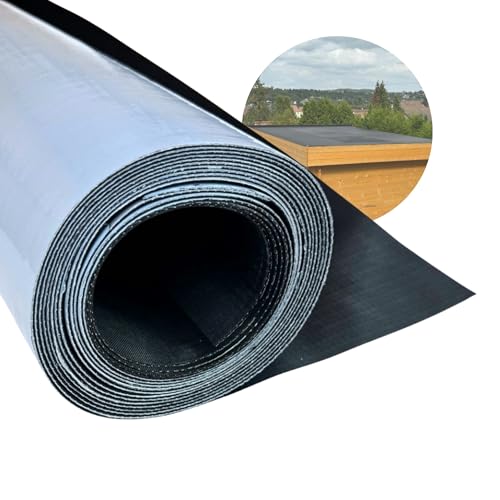
Best for: Gardeners seeking a long-lasting, self-adhesive membrane with robust reinforcement. This 52 mil EPDM membrane offers a durable, weather-resistant barrier ideal for raised beds exposed to sun and soil contact. The reinforced fabric and thickness contribute to reliability over decades in outdoor settings. Use this when you want a strong, flat surface that adheres to prepared bed liners without liquid adhesives.
Why selected: The combination of self-adhesive backing, 52 mil thickness, and reinforced construction supports a secure seal against moisture intrusion. It is well-suited for long-term garden use where soil moisture control is critical.
Caution: Proper surface preparation is essential for adhesion; poorly prepared substrates can reduce performance. Edge sealing and overlap coverage should be planned to maximize waterproofing.
LEISULIF 45 Mil Pond Liner For Beds

Best for: Raised beds needing a heavy-duty, thick EPDM liner with long-lasting durability. The 45 mil EPDM layer provides strong puncture resistance and flexibility to bend around bed contours.
Why selected: The thick EPDM membrane combines weatherproof performance with adaptability, making it a solid option for outdoor beds and water features that require reliable leakage prevention over time.
Caution: While durable, the material should be cut accurately to size to minimize waste and ensure water containment around irregular shapes.
MYOYAY 3.3ft x 98.5ft Waterproof Membrane

Best for: Gardeners needing a lightweight, flexible underlayment that’s easy to cut and install in long, narrow raised beds or paths. This 24 mil polyethylene membrane provides good waterproofing while staying manageable for DIY projects.
Why selected: Its flexibility and ease of installation make it suitable for bed edges and custom shapes, especially where a full-coverage thick membrane would be overkill for lighter duty applications.
Caution: Not specialized for long-term soil contact compared to EPDM, so assess exposure duration and plant demand when choosing.
Whnoorher Pond Liner Reinforced HDPE

Best for: Raised garden beds needing a heavy-duty, puncture-resistant liner that can withstand outdoor conditions and protect soil and plant roots. The reinforced HDPE is designed for extended outdoor use.
Why selected: Its high resistance to heat, cold, UV, and punctures makes it a dependable choice for elevated garden installations where bed soil and moisture containment are critical.
Caution: HDPE liners can be stiffer; plan cuts and bends to fit corners and slopes to prevent wrinkling or gaps.
JEDAL Backyard Pond Liner 5 Mil

Best for: Budget-conscious gardeners seeking a flexible, ultra-thin pond liner suitable for irregular shapes in small raised beds or water features. The 5 mil HDPE liner offers lightweight waterproofing for light-duty needs.
Why selected: Its foldable design and low thickness enable molding around contours and curves without heavy handling, making it a practical option for simple raised-bed projects.
Caution: Thinner material can be more prone to punctures; use with care around sharp edges and rocky bed bottoms.
Buying Guide: Key Considerations For Raised Beds
- Material choice: EPDM offers long-term flexibility and puncture resistance, ideal for weather-exposed beds. HDPE liners provide durable, budget-friendly options with good abrasion resistance.
- Thickness and durability: Heavier mil numbers generally translate to stronger resistance to tears and punctures, which is important for root systems and sharp bed edges.
- Installation method: Self-adhesive membranes simplify installation for flat-laying beds. Cut-to-fit membranes require tools and careful edge finishing to prevent leaks.
- Bed shape and size: Irregular or curved beds benefit from flexible membranes or thinner liners that can bend without cracking. For complex beds, consider smaller sheets or roll-outs with easy trimming.
- Root and soil compatibility: Ensure the chosen liner is non-toxic for edible plants. Many EPDM options are plant-safe, but always verify product specs for soil contact.
- UV exposure and weather: Outdoors, membranes should resist UV degradation and remain flexible in temperature swings for years.
Frequently Asked Questions
- What is the best material for raised-bed waterproofing?
– EPDM membranes (thicker, reinforced) are often preferred for longevity and flexibility; HDPE liners are a solid budget-friendly alternative. - Can I reuse liners in multiple seasons?
– Yes, especially robust EPDM or reinforced HDPE liners if handled carefully and stored properly during off-season. - Do I need adhesive for raised beds?
– Self-adhesive membranes simplify installation on flat surfaces. Non-adhesive liners require seam sealing and careful placement. - Are these liners safe for edible plants?
– Most garden-grade EPDM and HDPE liners are designed for soil contact; check product safety notes for any specific additives. - How do I cut liners to fit irregular beds?
– Use sharp scissors or a utility knife, lay the liner with extra margin, and trim to shape after test fitting in the bed area. - How thick should a raised-bed liner be?
– For most raised beds, 25–45 mil EPDM or equivalent HDPE provides durable protection; thicker liners offer more puncture resistance in rocky beds.