Seeking a reliable, underwater-safe coating for ponds and water features? This guide highlights five top non-toxic waterproof paints and sealants designed for aquatic environments. The best picks are suited for fish-friendly ponds, decorative water features, and outdoor ponds in varying climates—from hot sun to freeze/thaw conditions. Each product section explains who it’s best for and why, plus a practical limitation to consider.
Summary of chosen products:
- Pond Armor Sky Blue QT-R Non-Toxic Epoxy Paint (1.5-Quart) – Best for colorful upgrades and easy maintenance
- Pond Armor Clear QT-R Non-Toxic Epoxy Paint (1.5-Quart) – Best for preserving water clarity and color
- Liquid Rubber NeoPond Waterproof Sealant (1 Gallon) – Best for long-lasting membrane sealing
- Pond Armor Delta Blue QT-R Non-Toxic Epoxy Paint (1.5-Quart) – Best for vibrant underwater finishes
- Pond Armor Competition Blue QT-R Non-Toxic Epoxy Paint (1.5-Quart) – Best for bold blue coatings
Pond Armor Sky Blue Non-Toxic Epoxy Paint
Brand: Pond Armor
Format: 1.5-Quart
Key features: Waterproof formula for hot to freeze/thaw environments; designed for underwater use; non-toxic and safe for fish and plants; self-priming for reliable adhesion and easy maintenance
Best for: Garden ponds or decorative features that require a visible, sky-blue finish underwater. Choose this for a bright, even color that remains durable across seasons.
Caution: Color may fade slightly with long-term UV exposure; reapplication might be necessary after several seasons.
Pond Armor Clear Non-Toxic Epoxy Paint

Brand: Pond Armor
Format: 1.5-Quart
Key features: Waterproof formula suitable for a wide climate range; underwater use; non-toxic and safe for aquatic life; self-priming for reliable adhesion and easy surface upkeep
Best for: Clear, transparent coatings when you want the substrate or substrate color to show through while keeping water sealed. Ideal for maintaining water color clarity.
Limitation: Clear finishes may require more consistent application to avoid visible brush marks or thin spots.
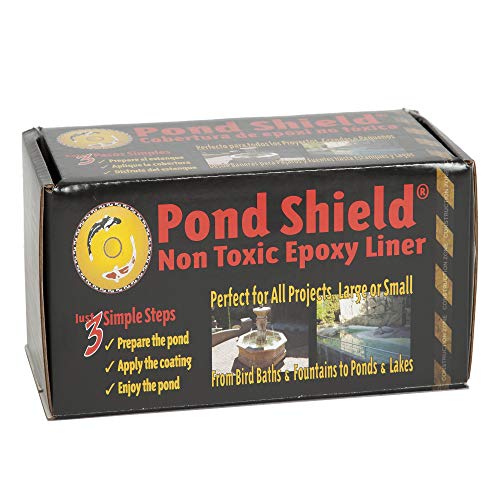
Pond Shield Black Epoxy Paint (1.5-Gallon)
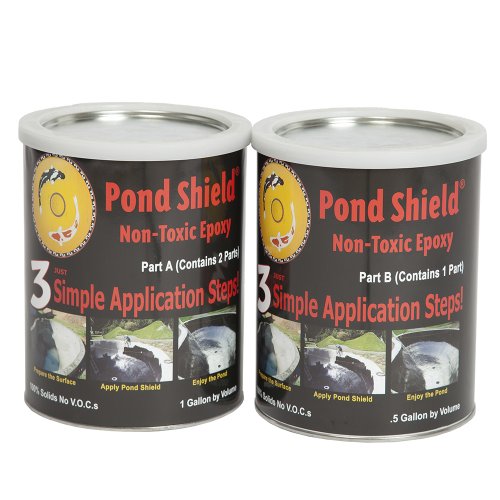
Brand: Pond Shield
Format: 1.5-Gallon (192 Fl Oz)
Key features: Waterproof formula; underwater use; non-toxic and fish/plant safe; self-priming for reliable adhesion and maintenance ease
Best for: Large outdoor ponds needing a durable, deep-black finish that hides substrates and blends with natural surroundings.
Caution: Larger container size may be more than needed for smaller features; plan for coverage accordingly.
Pond Armor Delta Blue Non-Toxic Epoxy Paint

Brand: Pond Armor
Format: 1.5-Quart
Key features: Waterproof formula; underwater use design; non-toxic and safe for fish and plants; self-priming for strong adhesion and simple maintenance
Best for: A vibrant blue option for ponds that require a striking underwater color without sacrificing safety. A solid middle-ground choice for color and performance.
Limitation: Slight color variation may occur across batches; test a small area first if color uniformity is critical.
Pond Armor Competition Blue Non-Toxic Epoxy Paint
Brand: Pond Armor
Format: 1.5-Quart
Key features: Waterproof, suitable for underwater use; non-toxic and safe for aquatic life; self-priming for reliable adhesion and straightforward upkeep
Best for: A bold blue option for ponds that demand a visible, durable color under water. Choose this when strong color contrast helps with visual appeal.
Limitation: Like other epoxy coatings, application should follow proper curing conditions to avoid surface defects.
Buying Guide
What should I consider when selecting waterproof pond coatings?
- Safety for wildlife: Prioritize products labeled non-toxic and fish- and plant-safe to protect aquatic ecosystems.
- Underwater performance: Look for formulas designed specifically for underwater use and submersible durability.
- Climate resilience: Choose coatings rated for the expected range of temperatures and freeze/thaw cycles in your region.
- Color and finish: Decide whether you want a vivid color, a clear finish, or a deep tone to blend with surroundings.
- Application and maintenance: Consider self-priming features for easier adhesion and lower maintenance over time.
Practical considerations
How to plan for proper coverage and longevity:
- Estimate surface area: Calculate the pond’s interior surface area to determine how much product you need (1.5-quart units are common for small to medium features).
- Substrate compatibility: Confirm the coating is suitable for the substrate material (concrete, EPDM, or liner) present in your pond.
- UV exposure: For outdoor ponds, UV stability helps color retention; opaque colors may offer better longevity in sunlight.
- Drying and curing: Follow manufacturer guidance on curing times and environmental conditions to avoid defects.
- Maintenance schedule: Plan periodic inspections to recoat worn areas and prevent leaks or water loss.
FAQ
- Q: Are these coatings safe for fish and plants?
- A: Yes. All listed options emphasize non-toxicity and aquatic safety when used as directed.
- Q: Can I apply these coatings to a newly built pond?
- A: Most coatings require proper curing of the substrate; check product instructions before application on fresh surfaces.
- Q: Will the color fade in sun exposure?
- A: Some colors may show slight fading over time; UV-stable options and proper maintenance help mitigate this.
- Q: Do these products seal leaks?
- A: They provide waterproofing for the pond interior but are not substitutes for structural leak repairs in damaged substrates.
- Q: Can I apply multiple colors?
- A: Yes, but plan compatibility and cure times between layers to ensure adhesion and finish quality.
- Q: How do I remove these coatings if needed?
- A: Removal depends on the product; follow manufacturer guidelines or consult a professional for safe remediation.