The top choice for well-draining succulent soil helps prevent root rot and keeps roots aerated. This guide compares five reliable potting mixes designed for indoor and outdoor succulents, cacti, and desert plants. The best fit depends on your plant type, container size, and water habits. Below you’ll find practical, product-based comparisons to help you choose with confidence.
Summary Table
| Product | Best For | Drainage Focus | Notes |
|---|---|---|---|
| Miracle-Gro Indoor Potting Mix for Cactus and Succulent (2-Pack) | Indoor desert plants, small to medium containers | Fast drainage with sand and perlite | Enriched with Miracle-Gro Plant Food |
| Rosy Soil Cactus Soil – Organic Succulent Potting Mix (4 qt) | Aloes, cacti, indoor succulents needing airy soil | Chunky, loose texture with microbes | Peat-free; pre-loaded with beneficial organisms |
| Miracle-Gro Succulent Potting Mix (4 qt) | Indoor succulents and small containers | Balanced blend with enhanced nutrition | Includes Miracle-Gro plant food |
| DUSPRO Succulents Soil Potting Mix (1 qt) | Small indoor planters and beginner setups | 7-in-1 blend with perlite, pumice, lava rock | Nutrient-rich and aerated for root health |
| Back to the Roots 100% Organic Succulent & Cacti Mix (6 qt) | Indoor or outdoor succulents in larger pots | Perlite and sand for fast drainage | Made in the USA; enhanced soil structure |
Miracle-Gro Indoor Potting Mix for Cactus and Succulent
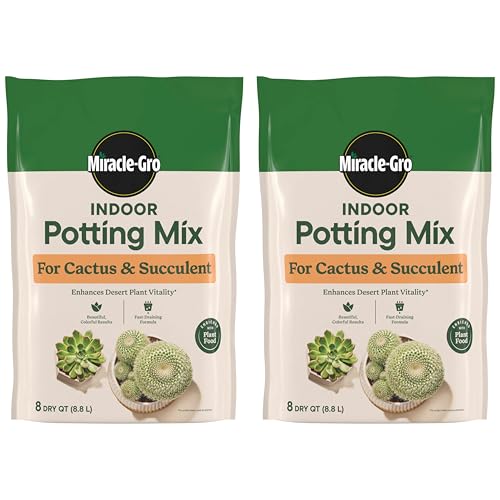
Best for indoor desert plants that need quick drainage and reliable nutrition. This mix blends forest products, sphagnum peat moss, sand, and perlite to promote fast drainage suitable for cacti, succulents, and similar plants kept in containers. The formula is enriched with Miracle-Gro Plant Food to support vitality when used as directed. Choose this if you prefer an all-in-one indoor mix with built-in feeding and a texture designed to reduce soil compaction.
Who it’s best for: apartment gardeners and hobbyists planting indoor cacti or succulents in standard pots. A potential limitation is that the peat base may retain moisture longer in very humid environments, so monitor watering closely.
Rosy Soil Cactus Soil – Organic Succulent Potting Mix

This chunky, well-draining mix is designed to prevent compaction and promote airier roots. It ships with microbes and worm castings to boost root health without synthetic fertilizers. The peat-free formula helps prevent overwatering and supports long-term plant well-being. Choose this if you want a peat-free option that encourages a thriving microbial ecosystem in the soil.
Best for: succulents and cacti that benefit from airy soil and a built-in soil ecosystem. Limitation: texture may be coarser, which can affect pot fill in very small containers; ensure adequate drainage in tight pots.
Miracle-Gro Succulent Potting Mix
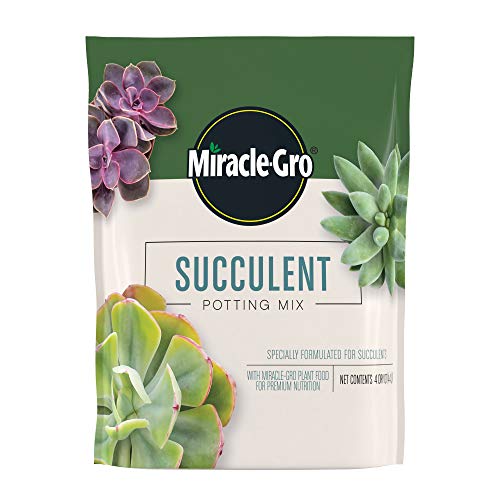
Best for a broad range of indoor succulents and small containers, this mix provides a balanced base with peat and forest products plus Miracle-Gro plant food. It’s suitable for plants like aloe vera, echeverias, and burro’s tail. Use this when you want a ready-to-use succulent soil with guaranteed nutrient delivery. Avoid if you require peat-free soil in areas with strict environmental policies.
Best for: general indoor succulent setups that need dependable nutrition. Limitation: includes peat and synthetic fertilizer, which may not suit peat-free or organic-only preferences.
DUSPRO Succulents Soil Potting Mix – 1Qt

Best for beginners and compact indoor pots, this 7-in-1 blend includes perlite, pumice, lava rock, peat moss, pine bark, worm castings, and vermiculite. It emphasizes rapid drainage and an aerated root zone, supporting a broad range of drought-tolerant plants. Choose this when you want a ready-to-use, nutrient-balanced mix. Limitation: the description notes 1 qt, so larger installations may require additional bags.
Back to the Roots 100% Organic Succulent & Cacti Mix

This 6-quart organic mix is crafted with succulents and cacti in mind, offering a balanced nutrition profile and enhanced soil structure. The inclusion of aged bark improves aeration, while perlite and sand support rapid drainage to prevent root rot. Choose this for larger or outdoor containers that require sturdy, well-draining soil. Limitation: larger bag size may be more soil than some buyers need for small setups.
Buying Guide: Well-Draining Soil For Succulents
- Texture and drainage: Look for ingredients like perlite, pumice, sand, or lava rock that create air pockets and fast drainage. Avoid dense peat-only blends for most succulents.
- Organic vs. inorganic balance: Decide if you want organic matter (worm castings, compost) or a more inert mix. Organic elements can support slower, steady growth but may require more careful watering.
- Peat-free options: Peat-free formulas drain more freely and are kinder to the environment. Consider peat-free mixes if you have concerns about overwatering or sustainability.
- Nutrition: Some mixes include plant food or nutrients. For new plantings, a mix with fertilizer helps establish roots; for established plants, monitor nutrient needs to prevent over-fertilization.
- Container and plant size: Larger pots or outdoor setups may benefit from coarser, chunkier mixes. Smaller containers often require lighter blends to prevent root suffocation.
- Watering routine: Regardless of mix, adjust watering frequency based on pot size, climate, and plant type. Well-draining soil reduces the risk of root rot in warm, dry environments.
Frequently Asked Questions
- What makes a soil well-draining for succulents?
– A well-draining mix contains lightweight particles (perlite, pumice, sand) and limited dense organic matter to create air gaps and allow rapid excess water to escape. - Should I use peat in succulent soil?
– Peat helps with moisture retention in some cases, but many hobbyists prefer peat-free blends to promote faster drainage and reduce compacting. - Can I reuse succulent soil after repotting?
– It’s best to refresh the mix when repotting to ensure adequate drainage and to avoid pathogens from previous grown plants. - Is fertilizer necessary in succulent soil?
– Some mixes include plant food; otherwise, supplemental fertilization can be sparing and intermittent, especially for slow-growing species. - What size container should I choose?
– Start with a pot that allows an inch or two of space around the root ball and increases pot size gradually as the plant grows. - Are peat-free options better for the environment?
– Peat-free mixes reduce environmental impact and often drain more quickly, which benefits succulents in warm, humid areas.