Wick applicators offer targeted, low-drift herbicide delivery for gardeners and small farms. This guide highlights five top options suited for different needs—from durable wipers for larger plots to DIY wick kits for small gardens. Each product is evaluated for best-use scenarios, ease of use, and potential limitations to help you choose confidently.
| Product | Brand | Why It Stands Out |
|---|---|---|
| Green Leaf SW 5 Foot String Wing Wick Applicator | Green Leaf | Robust construction and double wipe coverage for larger areas |
| Rittenhouse Wick Weeder Applicator | Rittenhouse | Simple, drift-free performance with ball valve design |
| Weed Wand Magic | Standard Golf | Precise spot applications with no overspray |
| Smucker RW0190 Red Weeder Replacement Sleeve | Green Leaf | Replacement sleeve for consistent delivery |
| Green Leaf WK20 Wick String Wing Do-It-Yourself Kit | Green Leaf | DIY kit with 20 ft rope wick for small to mid-sized spaces |
Green Leaf SW 5 Foot String Wing Wick Applicator
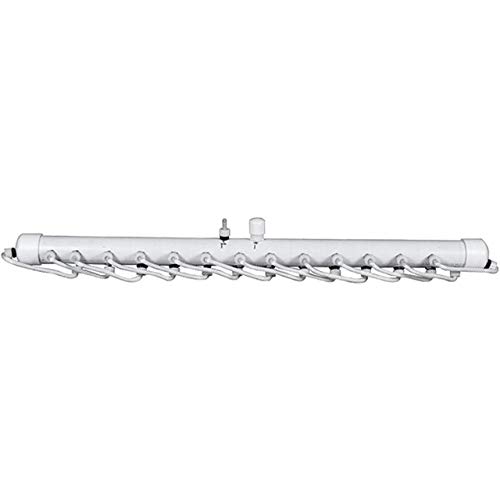
The Green Leaf SW 5 Foot String Wing Wick Applicator is designed for gardening or farming use with a long wick to provide double coverage. This model emphasizes robust construction for longevity and is suitable for applying non-selective chemicals to weeded areas and targeted crops. It supports extra flexibility through additional sections to extend the wick coverage.
- Best for larger plots where extended reach and double coverage are beneficial.
- Better for steady, controlled application in varied weather.
Best use case: Larger garden borders or small fields where consistent, weed-focused chemical delivery is needed. Caution: Ensure the chemical’s label allows wick-based application and follow protective guidelines for handling and application.
Rittenhouse Wick Weeder Applicator

The Rittenhouse Wick Weeder Applicator uses a ball valve and a simple fill-and-wipe design to minimize spray drift. It is best for precision work where targeted herbicide delivery is required and drift must be avoided. The absence of spray drift reduces risk to nearby desirable plants.
- Best for precision spot treatments in mixed plantings or near sensitive species.
- Better for users who want straightforward operation with minimal mess.
Best use case: Small-to-medium beds or edging where drift risk is a concern. Caution: Check compatibility with your chosen herbicide and ensure the applicator is cleaned after use to prevent clogging.
Weed Wand Magic

Weed Wand Magic focuses on precise, enclosed nozzle delivery to prevent overspray and drifting, even in windier conditions. It emphasizes ease of use and ergonomic handling with a lengthier pole to reduce bending. This makes it well-suited for users who want accurate spot treatments while standing.
- Best for windy days or areas with nearby plants you want to protect.
- Choose this if you prioritize reduced overspray and simple operation.
Best use case: Lawn edges and narrow beds where precision is critical. Caution: The specialized nozzle requires careful maintenance to avoid clogging when switching herbicides.
Smucker RW0190 Red Weeder Replacement Sleeve

The Smucker RW0190 sleeve is a replacement part designed to restore airflow and uniform distribution in the Red Weeder system. Made with wear-resistant materials, it is built for long-term use in varied weather. It complements existing wiper setups by maintaining consistent delivery.
- Best for users who already own compatible wick systems needing replacement sleeves.
- Better for maintaining consistent coverage without purchasing a new unit.
Best use case: Mid-season maintenance for established wick systems. Caution: Replacement sleeves must be compatible with your current model to ensure proper fit and performance.
Green Leaf WK20 Wick String Wing Do-It-Yourself Kit

The WK20 DIY Kit provides a 20 ft rope wick setup designed for nurseries, lawns, and backyard gardening. It offers a cost-efficient option for small-field or backyard operations, enabling users to apply herbicides directly to plant leaves. It is suitable for gardeners who want customizable coverage and a straightforward assembly.
- Best for hobby gardeners with small to mid-sized plots needing adjustable reach.
- Better for budget-conscious buyers who prefer a modular approach.
Best use case: DIY projects where setup flexibility and coverage control are priorities. Caution: DIY kits may require more assembly and regular maintenance to avoid leaks and ensure even distribution.
Buying Guide: Wick Applicators For Herbicides
What should you consider when selecting a wick applicator?
- Coverage and reach: Do you need extended reach or all-day portability? Larger plots benefit from longer wicks and sturdy build.
- Drift and overspray control: Look for nozzle design and wick delivery that minimize drift and protect nearby plants.
- Ease of use: Ergonomic handles, lightweight construction, and simple assembly reduce user fatigue.
- Durability and weather resistance: Tools should withstand sun, rain, and frequent handling without degrading.
- Maintenance and parts availability: Replacement sleeves and wicks extend tool life and maintain performance.
- Compatibility: Confirm that the applicator matches your herbicide type, dilution, and application label requirements.
- Cost and value: Consider whether a durable single unit or a DIY kit offers better long-term value for your space.
How to Use Wick Applicators Safely and Effectively
Read and follow the herbicide label. Use the applicator to apply directly to plant leaves or soil where permitted. Wear protective gear and clean the tool after use to prevent cross-contamination.
Common Limitations to Watch For
Some wick systems may not be suitable for all herbicides or wind conditions. Replacement parts can vary by model, so verify compatibility before purchase. Pay attention to wick wear, which can affect coverage uniformity over time.
FAQ
- What is a wick applicator best for? It is best for targeted, low-drift herbicide delivery on specific plants or lawn edges.
- Can wick applicators replace spray methods entirely? They are typically for spot treatments and thinning larger-scale spraying, not full-field coverage.
- Which feature helps prevent drift? Nozzle design and wick delivery that concentrate the chemical on the target plant.
- Are replacement parts important? Yes; sleeves and wicks influence coverage consistency and tool longevity.
- Is a DIY wick kit a good value? For small gardens, a DIY kit can offer flexibility and cost savings, but may require more setup.
- Can wick applicators handle all herbicides? Check label compatibility; some chemicals require specific handling beyond wick delivery.