Looking for wildflower seeds that thrive in partial shade? This guide highlights five top shade-friendly mixes, each suited to different garden goals and light conditions. Whether you want a pollinator-friendly understory, a low-water border, or a quick-blooming annual display, these options help you achieve color in woodland and shaded spaces.
| Product | Best For | Shade Tolerance |
|---|---|---|
| Mountain Valley Seed Company – Wildflower Seed Bulk, 3 Oz | Pollinator-friendly shade gardens | Partial shade |
| Earth Science Shady Wildflower Mix – 6 lb | All-in-one seed mix with soil conditioners | Partial to full shade |
| Groundio 13 Varieties Partial Shade Mix | Beginner-friendly, mix of annuals and perennials | Partial shade |
| Lawn Seed Feed Partial Shade Wildflower Mix | Colorful, diverse blooms in shady beds | Partial shade |
| Eden Brothers Partial Shade Wildflower Mix | Pollinator-friendly, zone-spanning variety | Partial shade |
Wildflower Seed Bulk, 3 Oz. Shade-Tolerant Mix

Best for: shade-prone borders and woodland paths. This mix contains 19 shade-tolerant varieties with clearly labeled species, including Echinacea purpurea, Forget-Me-Not, Columbine, and Foxglove. It covers roughly 250 sq ft with over 80,000 seeds, offering a sustained bloom across the season. Suitable for USDA Zones 3–10 and supportive of pollinators.
Why chosen: high seed count, clearly identified species, and robust shade performance make it reliable for varied shady landscapes.
Caution: seed labeling emphasizes shade tolerance, but germination rates may vary by microclimate and soil moisture. Consider overseeding in very dense shade.
Earth Science Shady Wildflower Mix—6 lb

Best for: a comprehensive, all-in-one kit for shady garden beds. This mix blends wildflower seeds with mulch, plant food, and soil conditioners, designed for annuals and perennials. The included Water Right Crystals help guide watering for optimal germination and growth.
Why chosen: convenient, single-bag solution with soil-enhancing components; good for gardeners who want a straightforward, low-maintenance planting process.
Caution: as an all-in-one product, results depend on proper moisture management; overwatering can reduce seed vitality.
Groundio 13 Varieties Partial Shade Mix

Best for: gardeners seeking a balanced mix of annuals and perennials with reliable germination. The 13 varieties include Forget-Me-Not, Columbine, Coreopsis, and Daisy, spanning USDA zones 2–10 and designed for partial shade.
Why chosen: easy-to-grow mix with a high germination rate (95%), and a blend that provides quick color in the first season while sustaining blooms in subsequent years.
Caution: mixture performance can vary by soil quality; add light organic matter to improve germination if your soil is compacted.
Partial Shade Wildflower Mix (2oz) – Brighten Shady Spaces

Best for: quick color in medium-to-dense shade beds, ideal for borders and fences. The 2oz mix includes a resealable pouch to preserve freshness and germination potential over time.
Why chosen: small-batch packaging helps maintain seed viability, and the mix provides varied color over the season for visual interest.
Caution: resealable packaging helps with freshness but store in a cool, dry place; extended exposure to heat can reduce germination.
Desert Bloom Drought-Tolerant Wildflower Mix

Best for: hot, arid shade pockets and rocky soils where moisture is scarce. This 23-variety mix includes annuals and perennials designed to thrive with minimal water and full sun after establishment.
Why chosen: excellent drought tolerance makes it a strong choice for dry shade or xeriscape-inspired shade gardens.
Caution: drought-tolerant mixes may require initial soil preparation and a steady establishment period; avoid overwatering during establishment.
Ferry Morse Non-GMO Shade Mix

Best for: large shaded areas needing a wide-scale bloom, with a generous seed count to cover extensive beds. The mix includes a diverse range of shade-adapted flowers.
Why chosen: high seed count per package and broad compatibility with USDA zones 3a to 9b, making it versatile for many American gardens.
Caution: variety spread can be heavy in dense shade; consider thinning to improve air circulation and reduce disease risk.
Eden Brothers Partial Shade Wildflower Mix

Best for: mixed borders and woodland edges, with a selection that attracts pollinators while tolerating partial shade.
Why chosen: 27 species including Sweet William, Foxglove, Coreopsis, and Purple Coneflower, offering a robust pollinator-friendly display across seasons.
Caution: as with many large blends, performance depends on soil quality and consistent moisture during germination and establishment.
American Seed Shade Mix
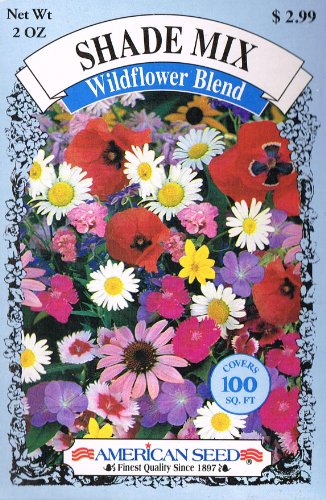
Best for: quick coverage in shady lawns or beds needing a vivid, yet easy-to-grow mix. This 2 oz box is designed for shady areas and covers a notable area for its size.
Why chosen: simple, compact packaging and a straightforward option for gardeners new to shade wildflower planting.
Caution: ensure adequate moisture during germination for best results in denser shade.
Buying Guide: Shade Wildflower Mixes
What light conditions define your shade? Partial shade, full shade, or dappled sun all influence germination and bloom. Look for mixes labeled for partial shade if your space is under a canopy, or those specifically designed for shade-loving species.
What is the mix composition? Favor blends with a deliberate balance of annuals and perennials to enjoy quick color and long-term structure. Check for clearly labeled species to know what to expect in bloom color and height.
Soil and moisture considerations matter. Some mixes include soil conditioners or water-saving components; others are traditional seed blends. Think about your irrigation, rainfall, and soil texture when choosing.
Pollinator importance. If attracting bees, butterflies, and hummingbirds is a goal, pick mixes featuring nectar-rich flowers like coneflowers, foxglove, and forget-me-nots that perform well in shade.
Planting timing and zones. Choose seeds aligned with your USDA hardiness zone and typical planting windows for best germination rates. Some mixes are better suited for spring sowing, while others adapt to fall planting in milder climates.
FAQ: Shade Wildflower Mixes
What is the best shade-tolerant wildflower mix?
Look for mixes labeled as shade-tolerant or partial shade, and prioritize blends with a mix of annuals and perennials to ensure color across seasons.
How deep should I plant wildflower seeds for shade?
Most wildflower seeds planted in shade should be sown at the surface or just barely covered with fine soil. Follow the specific product’s instructions for best results.
Will these mixes attract pollinators?
Yes. Many shade-friendly mixes include nectar-rich species like coneflowers, forget-me-nots, and foxglove that attract bees and butterflies.
How long do shade wildflowers take to bloom?
Annuals typically bloom in the first growing season, while perennials return each year. Some mixes include both, providing color sooner and over the long term.
Can I use these mixes in containers?
Yes. Choose a mix labeled for containers or planters, and ensure proper drainage and consistent moisture, especially in shaded containers.