If your soil is heavy clay, choose wildflower seed blends designed to perform in compact, water-retentive ground and poor drainage. The top picks below are selected for clay-friendly performance, easy establishment, and long-lasting color from spring to fall. Ideal buyers include new gardeners seeking low-maintenance pollinator patches, homeowners testing drought-tolerant options, and landscapers adding meadow-like interest to clay beds. The list spotlights mixes that germinate reliably, tolerate soil variability, and attract bees, butterflies, and hummingbirds. Use the table to compare key points at a glance.
| Product | Best For | Why It Works On Clay |
|---|---|---|
| 200,000+ Wildflower Seeds Bulk (4oz) – 16 Varieties | Large Pollinator Meadows | Mix includes perennials and annuals with strong germination; adaptable across zones |
| SunHaven Seeds Drought Tolerant Wildflower Mix | Dry, Hot Climates | Specifically designed for low-water conditions common with clay beds |
| Eden Brothers All Perennial Wildflower Seed Mix | Long-Lasting Ground Cover | Non-GMO, multi-variety, good soil coverage for clay |
| Drought Tolerant Wildflowers Mix (Sweet Yards) | Very Large Areas | Over 7,500 seeds for broad coverage in challenging soils |
| Desert Bloom Drought-Tolerant Mix | Low-Water, High-Heat Areas | 23 heirloom varieties with drought resilience |
200,000+ Wildflower Seeds Bulk – 16 Varieties

This bulk blend offers 200,000+ seeds across 16 perennial and annual varieties, including Purple Jasmine, Zinnia, and Cosmos. Best for clay soils when you want a rapid, colorful meadow that tolerates variable moisture. Germination is lab-tested for reliability, and the mix supports pollinators from spring through fall. Choose this if you want a dramatic, low-effort transformation with ongoing bloom cycles. Caution: with dense clays, seed-to-soil contact improves establishment if you scarify the surface or mix with a small amount of sand or compost.
SunHaven Seeds Drought Tolerant Wildflower Mix

Best for dry, hot climates and clay soils where water efficiency matters. The mix focuses on drought-tolerant species that still provide vibrant color from spring through fall. Each 1 oz resealable packet covers about 100 square feet, making it suitable for meadow strips or slopes on clay ground. If you’re planting in low-water conditions, this is a reliable choice. Limitation: clay soils may require initial moisture management to support germination during establishment.
Eden Brothers All Perennial Wildflower Seed Mix

Best for long-term soil coverage and pollinator support on clay. This mix includes 19 varieties, with 250-500 square feet of ground cover when established. The seeds are 100% pure and non-GMO, offering reliable germination without fillers. Best for homeowners seeking a perennial bed that reduces weed growth and requires less maintenance after establishment. Caution: some perennials may take a season to emerge fully in dense clay.
Drought Tolerant Wildflowers Mix – Extra Large Packet

Best for large clay plots where you want quick coverage. The extra-large bag contains over 7,500 seeds suitable for 100 square feet. It emphasizes fresh, high-germination seeds in a single, convenient package. Choose this if you’re planting expansive clay beds and desire quick meadow formation. Limitation: initial watering may be required to kick-start germination on heavy soils.
Desert Bloom Drought-Tolerant Wildflower Mix

Best for desert-adapted, clay-rich soils under high sun. This mix features 23 heirloom varieties of annuals and perennials, offering 12,000+ seeds to cover 150–200 sq ft. It provides a resilient, low-water meadow with color that persists through heat waves. Use this if your clay bed sits in full sun and you want robust, low-maintenance blooms. Caution: some varieties may require a longer establishment period in cooler or wetter springs.
BUZZY Wildflower Pollinator Seed Mix

Best for smaller clay patches, balconies, or front-yard borders needing continuous nectar and color. This 1 lb bag contains 18 pollinator-friendly varieties, including Coreopsis, Zinnia, Cosmos, and Coneflower. It’s designed to attract bees, butterflies, and hummingbirds, with a straightforward throw-and-grow method. Limitation: some viewers may prefer a higher proportion of perennials for longer-term returns on clay soils.
Purple Prairie Clover Seeds

Best for prairie-style drought tolerance on clay and compact soils. This native wildflower seed option focuses on purple prairie clover with nitrogen-fixing benefits and deer resistance. It’s suited for prairie restoration, xeriscaping, and butterfly gardens. Best for soil-improving ground cover that supports a pollinator habitat. Caution: self-seeding may be vigorous in favorable conditions, requiring occasional management to prevent overgrowth.
Tactiko Garden 26 Wildflower Seeds Mix
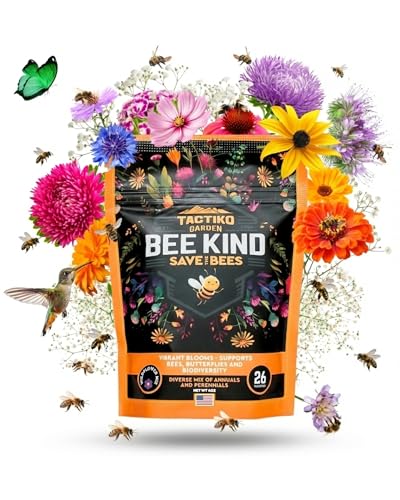
Best for comprehensive pollinator support in medium-sized clay plots. This 4 oz bag contains 120,000+ seeds across 26 annual and perennial varieties. It’s designed to attract bees, butterflies, and hummingbirds, delivering season-long color over up to 600 sq ft. Choose this if you want a broad, diverse mix that blooms across multiple seasons. Caution: ensure proper soil contact in clay to improve germination in the first month.
Buying Guide
What should you consider when selecting wildflower seeds for clay soil?
- Soil preparation: Lightly loosen a top layer of clay, remove heavy compaction, and mix in compost to improve seed-to-soil contact and drainage.
- Watering strategy: Clay soils retain moisture; new seedings benefit from consistent moisture until germination finishes, then taper as plants establish.
- Seed mix composition: For clay, prioritize mixes with a mix of perennials for year-to-year growth and annuals for quick color bursts.
- Germination rates: Look for lab-tested or high germination rates to maximize establishment in dense soils.
- Sun exposure: Most clay beds perform best with full sun to light shade; plan plant arrangement accordingly.
- Maintenance: Select drought-tolerant varieties for lower irrigation needs and reduced soil saturation risks.
Practical tips for best results
- Scatter seeds evenly, lightly rake, and water gently to keep seed-on-soil contact.
- Consider mixing seeds with a little sand or compost to improve seeding depth and distribution in clay.
- Apply a light mulch to reduce crusting and preserve moisture during germination.
- Monitor for weed competition, especially in the first growing season on clay soils.
FAQ
- Can wildflower seeds tolerate heavy clay soil?
Yes, if you choose drought-tolerant and perennial-rich blends and prepare the soil to improve drainage and seed-soil contact. - How long does it take for wildflowers to establish on clay?
Germination typically occurs within 7-20 days for many mixes, with full maturity blooming across seasons. - Which mixes are best for long-term color on clay?
Merges of perennials with a few annuals provide continuous color and reduced annual reseeding needs. - Do I need to reseed every year on clay?
Perennial-rich blends reduce reseeding frequency, but some annuals may need replanting if conditions are harsh. - Are these seeds safe for pollinators?
All listed mixes are designed to attract bees, butterflies, and hummingbirds, supporting pollinator health. - What’s the best watering approach after sowing?
Water gently to keep the top layer consistently moist but not waterlogged during germination and establishment.